Section
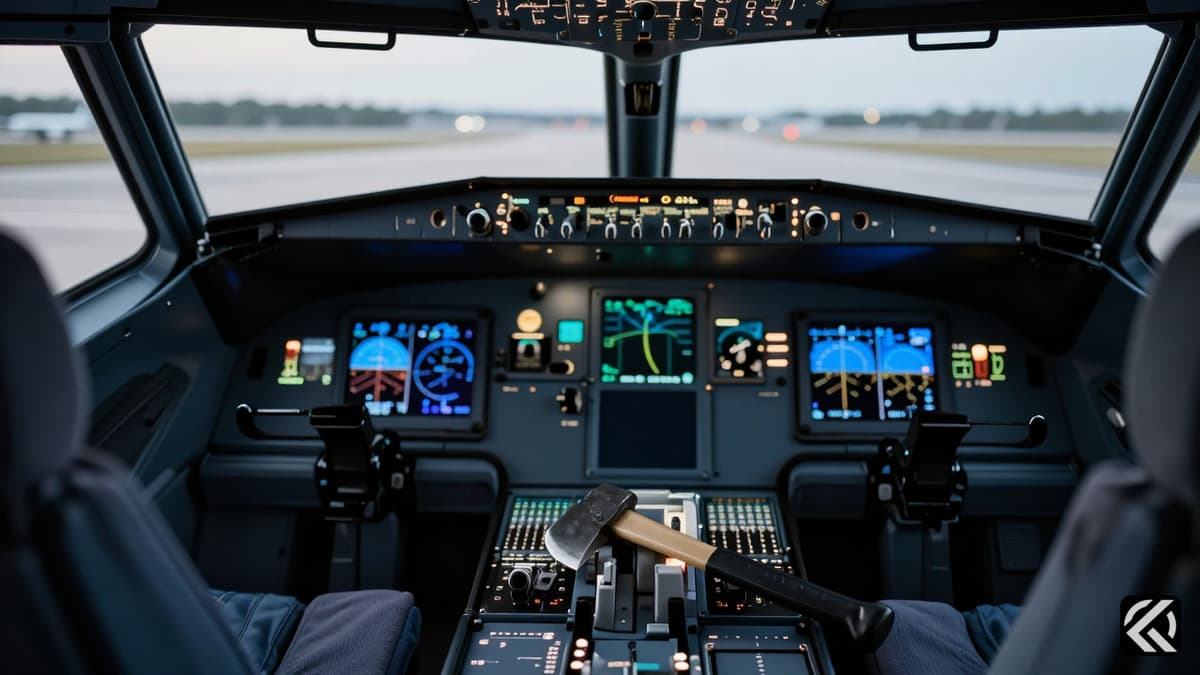
A Flydubai co-pilot launched a terrifying cockpit axe attack against the captain, prompting an urgent emergency landing and international diplomatic response.
The prosecutor general of the United Arab Emirates has officially characterized the violent incident aboard Flydubai flight FZ1073 as an attempt to carry out a terrorist act. The event occurred earlier this week when a co-pilot used a crash axe to attack the captain inside the cockpit.
State news agency WAM reported that Hamad Saif al-Shamsi stated the attacker tried to seize control of the aircraft’s flight controls during the Wednesday flight. The investigation is currently underway to uncover all circumstances, motives, and connections while completing technical examinations and analyzing physical and digital evidence.
The aircraft, carrying 174 passengers, was en route from Dubai to Tel Aviv when the unnamed co-pilot wounded Indian pilot Smit Machchhar, who had opened the cockpit to seek help. The plane briefly plunged approximately 17,000 feet before a second pair of pilots restored control after passengers and crew subdued the attacker. The flight was diverted to Prince Sultan bin Abdulaziz International Airport in Tabuk, Saudi Arabia, for an emergency landing. The co-pilot was arrested by Saudi authorities and handed over to the UAE, while Machchhar was also returned to the UAE.
Israeli Prime Minister Benjamin Netanyahu announced that Israel is investigating whether the co-pilot acted under anyone’s direction. He warned that anyone involved would face a heavy price. Flydubai halted all flights on its Israel route following the incident, and Israel’s El Al cancelled its scheduled flights, stranding some Israelis in the UAE.
At 22:00 GMT on Friday, the first repatriation flight operated by Israeli carrier Arkia arrived at Tel Aviv’s Ben Gurion Airport from Dubai. The incident has raised significant security concerns regarding cockpit protocols and pilot mental health monitoring in international aviation. The Flydubai co-pilot terrorist act has prompted immediate reviews of emergency procedures and inter-agency cooperation between the UAE and Israel.
The use of a crash axe, a tool kept in cockpits to help pilots cut through the plane in emergencies, highlights the potential for standard safety equipment to be weaponized. This paradox has led to urgent discussions about securing such tools while maintaining their accessibility for genuine emergencies. The cockpit axe attack has underscored the need for reinforced cockpit doors and stricter access protocols to prevent similar incidents.
Authorities are examining the psychological state of the co-pilot and any potential external influences. The investigation aims to determine if the act was solitary or part of a broader conspiracy. The rapid response by passengers and crew to subdue the attacker prevented further catastrophe, showcasing the importance of crew cooperation in high-stress situations.
The Flydubai incident has triggered immediate regulatory reviews in both the UAE and Israel. Aviation authorities are expected to implement stricter cockpit access controls and enhanced pilot mental health screenings. The diplomatic tensions and travel disruptions highlight the fragile nature of international air travel routes. Future policies may prioritize automated cockpit security systems to mitigate human error or malicious intent. The long-term impact includes heightened scrutiny on pilot conduct and increased cooperation between national security agencies to prevent aviation-related terrorism.
Oct 3, 2026 00:50 UTC
Israel-Mumbai Campaign Honors Captain Smit After Flydubai Incident
Oct 2, 2026 18:13 UTC
Captain Smit Machchhar’s Courage Saves Flydubai Flight FZ1073 From Disaster
Oct 2, 2026 16:45 UTC
Captain Smit Machchhar Saves Plane Mid-Fall
Oct 2, 2026 12:13 UTC
PM Modi Lauds Captain Smit Machchhar for Averting Tragedy on Flydubai Flight
Oct 3, 2026 08:09 UTC
Flydubai Suspect Hamam al-Hammami Held Extremist Views