Section
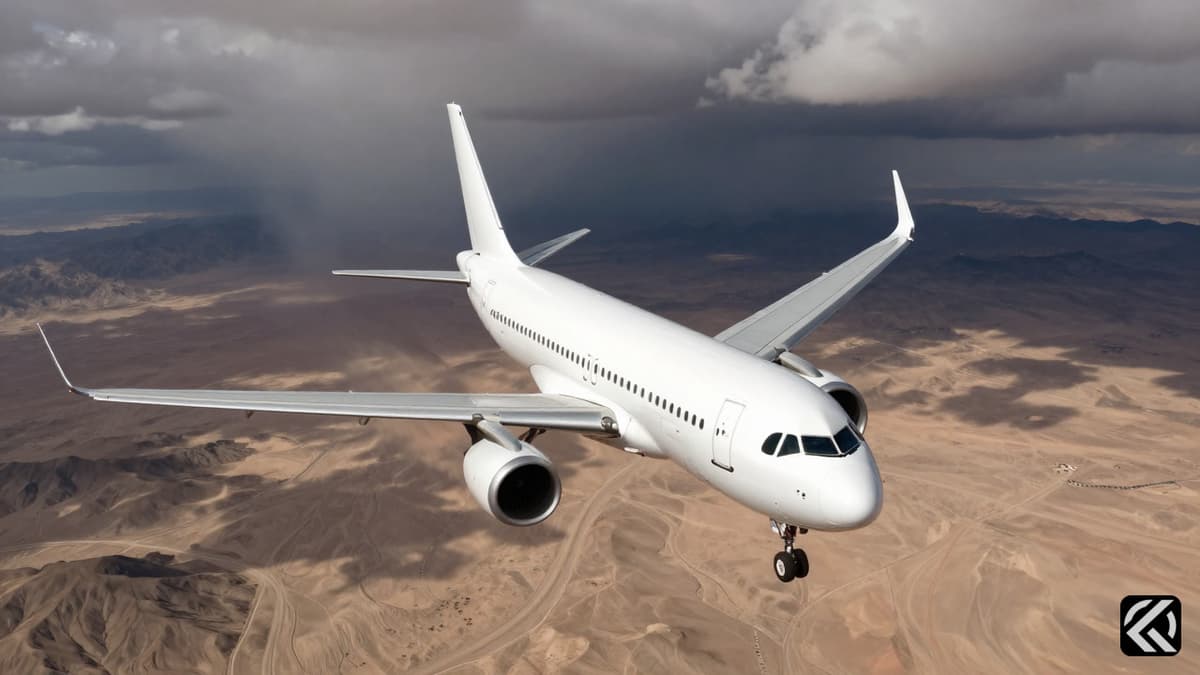
An investigation reveals the FlyDubai co-pilot involved in a near-crash was barred from flying in Oman due to extremist concerns, raising serious aviation security questions.
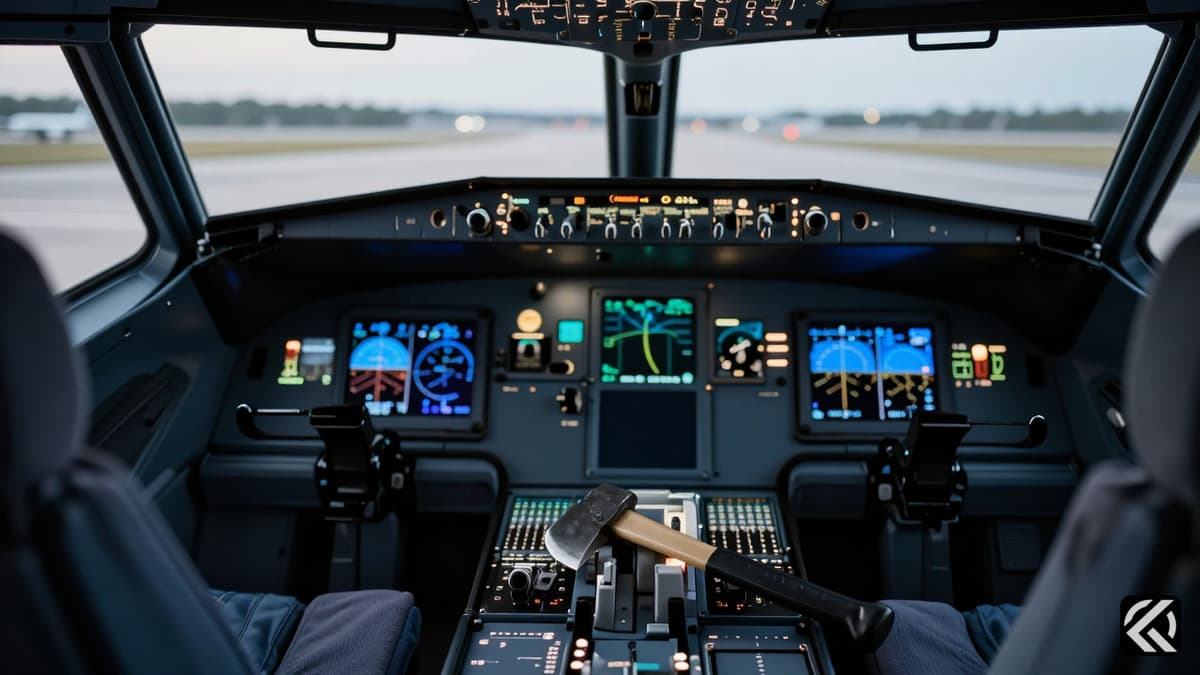
The United Arab Emirates-based airline FlyDubai faces intense scrutiny following a harrowing incident where a FlyDubai co-pilot allegedly attacked the flight captain, nearly causing a catastrophe for 182 people. A source familiar with the matter revealed Saturday that this co-pilot had previously been barred from flying by his native Oman due to concerns regarding his adoption of extremist views. This revelation has sparked a deep inquiry into the hiring processes and vetting standards that allowed him to secure a position on the carrier. The incident has not only shocked the region but has also placed a heavy spotlight on aviation security protocols across West Asia, a region already tense from geopolitical conflicts.
The attack occurred during a flight bound for Tel Aviv, leaving the region’s travel industry in crisis. In the immediate aftermath, the United Arab Emirates canceled all flights to Israel, a move that complicated travel for hundreds of daily passengers. This decision marks a significant disruption in Israel-UAE relations, which had been gradually strengthening since the normalization of ties in 2020 under the Abraham Accords. Despite the suspension of commercial travel, an Israeli official confirmed that both nations agreed on repatriation flights starting Friday, October 2, 2026. The first of these flights departed the UAE shortly before 11 p.m. and landed in Tel Aviv just after 1 a.m., with additional carriers like Arkia, Israir, and El Al scheduled to resume operations in the coming days.
U.S. President Donald Trump addressed the situation, stating that early information suggests links between the attack and Tehran. He warned that if Iranian agents are found to be behind the attack, the United States would “hit them very hard.” Meanwhile, Israeli investigators are assisting in the probe, though Emirati authorities are leading the effort. An official, speaking on condition of anonymity, clarified that while there is no current evidence linking the attacker to Iran, the investigation is actively determining if he was part of a group or sent by external actors. Israeli Prime Minister Benjamin Netanyahu issued a stern warning in a video message on Friday, stating, “We are now investigating whether he was sent, and whoever sent him will pay a very heavy price.”
The emotional toll of the incident is evident in the condition of the flight’s captain, Smit Machchhar, who has been hailed as a hero. Transferred from Saudi Arabia to the UAE on October 1, Machchhar is recovering in an Abu Dhabi hospital. He spoke with Indian Prime Minister Narendra Modi during a televised call, describing the terror of the attack. “I had so many wounds. I had fallen down,” he said, breaking into sobs. “I was fighting for my life. At one point, I realized that if I didn’t get up … then passengers would lose their lives.”
The timeline of the attack reveals a disturbing sequence of events. More than two hours into the flight, the aircraft experienced a sharp altitude drop to 16,600 feet, the sharpest recorded by data tracking platforms. Passenger Daniel Schlichter, seated in the second row, reported hearing sounds of a fight inside the cockpit just before the nosedive. Although the plane briefly ascended to 21,725 feet, it soon dropped to 15,000 feet, maintaining that altitude until it safely landed in Tabuk, Saudi Arabia, on Wednesday, September 30, 2026. The flight captain’s efforts were credited by UAE senior diplomatic adviser Anwar Gargash, who called the attack a “dangerous terrorist act” on X.
This incident serves as a critical test for the UAE government’s reputation for effective security measures. While the country has worked to brand itself as a secure hub for international travel, past criticisms of security lapses have made this event particularly damaging to its image. Experts note that the Emiratis are deeply concerned with protecting this reputation, believing that global perception of their security is paramount to their economic and diplomatic standing. The discovery that the co-pilot had extremist tendencies in his home country raises serious questions about the rigor of background checks in international aviation. As the investigation continues, the focus will likely shift toward whether similar vetting failures exist within the broader framework of airline hiring practices. The long-term impact could see tighter international regulations on pilot vetting and a temporary but significant cooling of diplomatic ties between Israel and the UAE, which may take time to fully repair. The trauma inflicted on the passengers and the broader travel community highlights the fragility of global connectivity in the face of targeted extremist violence.
Oct 3, 2026 00:50 UTC
Israel-Mumbai Campaign Honors Captain Smit After Flydubai Incident
Oct 2, 2026 18:13 UTC
Captain Smit Machchhar’s Courage Saves Flydubai Flight FZ1073 From Disaster
Oct 2, 2026 16:45 UTC
Captain Smit Machchhar Saves Plane Mid-Fall
Oct 2, 2026 12:13 UTC
PM Modi Lauds Captain Smit Machchhar for Averting Tragedy on Flydubai Flight
Oct 3, 2026 08:23 UTC
Flydubai Co-Pilot Terrorist Act: Axe Attack on Dubai Flight