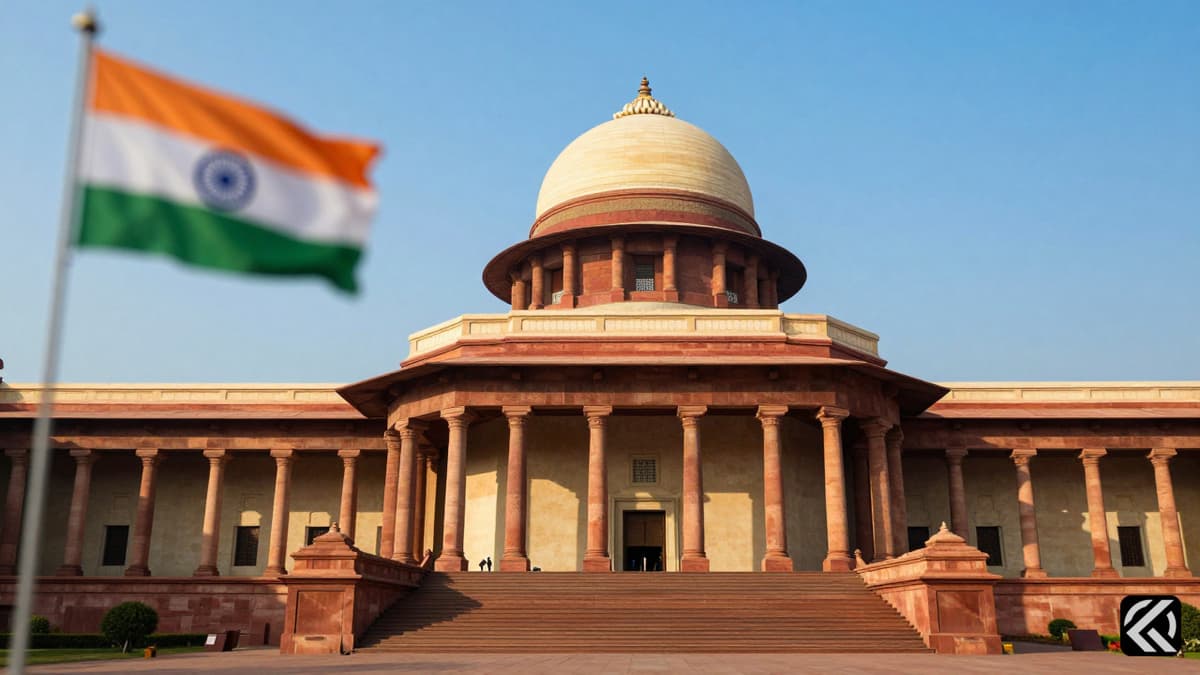
Following the rejection of the women's reservation bill, Tamil Nadu Chief Minister M.K. Stalin celebrates the unity of the southern states and the triumph of democratic processes.
The democratic process witnessed a decisive moment when the Constitution (131st Amendment) Bill, 2026, introduced by the BJP-led Union government, was defeated in the Lok Sabha. Following this legislative outcome, DMK president and Tamil Nadu Chief Minister M. K. Stalin remarked that the South stood united, made its voice heard, and ultimately, democracy prevailed. This event underscores the intense political dynamics surrounding the proposed changes to the parliamentary structure.
The 131st Amendment Bill had sought to increase the strength of the Lok Sabha through the mechanism of delimitation. Its primary objective was to enable the implementation of the women reservation quota, which mandates a 33% reservation for women in the House. For the bill to pass, it required a two-thirds majority. In a rigorous parliamentary session, a total of 528 Members of Parliament cast their votes. The required threshold was 352 votes to secure a two-thirds majority. However, the bill failed to reach this target, securing only 298 votes in favor.
The rejection of the bill was interpreted by key regional leaders as a collective stand by the southern states. M. K. Stalin, addressing the situation, highlighted the unity among the southern states in opposing the bill. He stated that the South stood united, effectively making its voice heard during the voting process. This sentiment reflects a broader sentiment of regional solidarity against what is perceived as a top-down approach to legislative changes that impact demographic representation. The Chief Minister's comments serve as a definitive statement on the region's political stance regarding the balance of power and representation in the central legislature.
The implications of the vote extend beyond the immediate numerical failure of the bill. The requirement for a two-thirds majority in the Lok Sabha ensures that significant constitutional changes have broad consensus. With the women reservation aspect tied to the delimitation process, the defeat signals a complex political landscape where demographic shifts and representation quotas are heavily scrutinized. The failure to secure the necessary 352 votes out of the 528 MPs present highlights the deep divisions or strategic opposition within the parliamentary body regarding the specific terms of the bill.
The defeat of the 131st Amendment Bill marks a critical juncture in the legislative history of the nation, demonstrating the resilience of democratic institutions in filtering proposed amendments. Chief Minister Stalin's assertion that "democracy prevailed" encapsulates the prevailing view that the parliamentary process functioned as intended, reflecting the diverse political will of the represented populace. The clear stance of the southern region, unified in its opposition, suggests that future attempts to implement similar reforms through the same mechanism may face comparable hurdles without broader consensus.
Looking ahead, the trajectory of the women reservation policy remains uncertain. The defeat indicates that the current political climate does not support the immediate implementation of the proposed delimitation-based quota system. The strong reaction from the Chief Minister and the unity displayed by the southern states suggest that future legislative strategies will need to account for this regional sentiment. The long-term impact may involve a re-evaluation of the consensus-building required for such significant constitutional amendments, ensuring that the balance between national representation and regional concerns is maintained in future parliamentary proceedings. The event serves as a powerful reminder of the checks and balances inherent in the democratic system, where the collective voice of the electorate, even through their representatives, can halt or alter the course of legislative action.
Jun 8, 2026 04:15 UTC
Trump Urges Netanyahu to Halt Iran Strike for Peace
Join 50,000+ readers getting the global briefing every morning.
No spam. Unsubscribe anytime.
Jun 8, 2026 02:28 UTC
Trump Walks Out of Meet the Press After Rejecting Evidence Demands
Jun 8, 2026 02:17 UTC
Magnitude 7.8 Quake Shakes Philippines, Urging Immediate Evacuations
Jun 8, 2026 00:51 UTC
Trump Claims Iran Nuclear Deal Imminent Despite Diplomatic Fractures
Jun 8, 2026 00:47 UTC
Iran Fires Missiles at Israel After Beirut Strike