Section
President Donald Trump announces a near-peace agreement where Iran commits to never closing the Strait of Hormuz again, while US bombers secure nuclear material without payment.
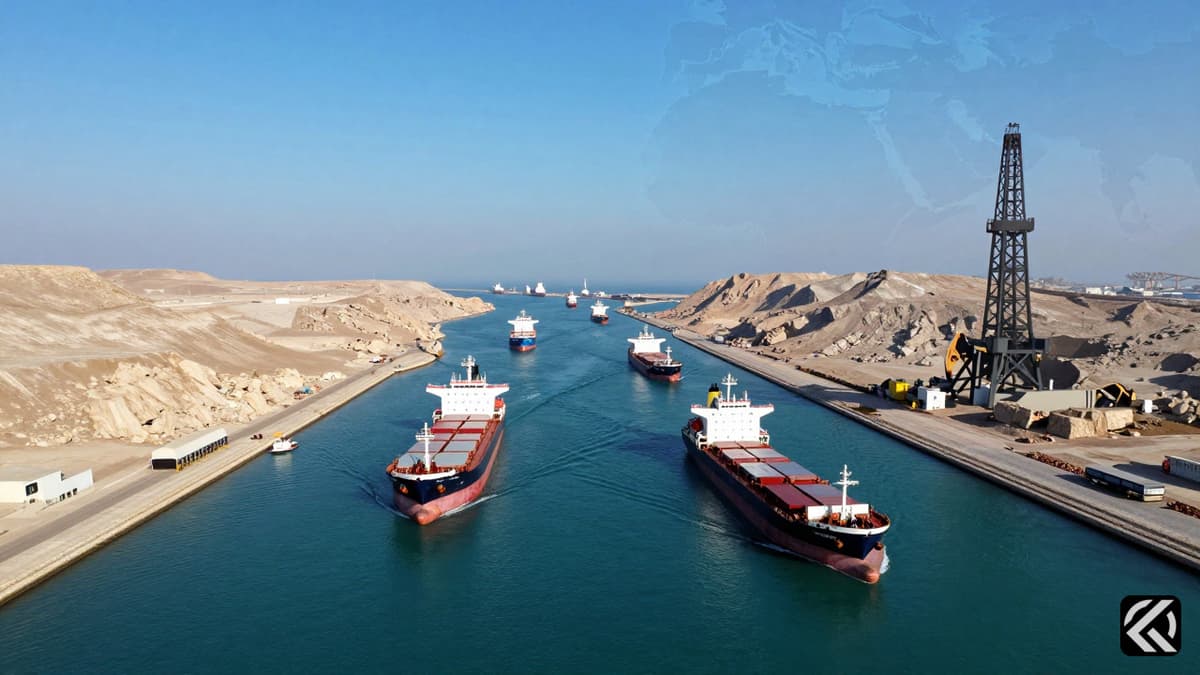
On Friday, April 17, 2026, U.S. President Donald Trump declared that Iran has agreed to permanently keep the Strait of Hormuz open, signaling a potential peace deal with Tehran. This announcement followed social media posts from the President indicating that the crucial sea passage would no longer be weaponized against the world. The declaration comes just a day after the President had previously announced a 10-day ceasefire between Israel and Hezbollah in Lebanon.
The geopolitical landscape shifted rapidly as Foreign Minister Abbas Araghchi of Iran responded to the developments. Writing on social media, Araghchi stated that the passage for all commercial vessels through the Strait of Hormuz is declared completely open for the remainder of the two-week U.S.-Iran truce. He confirmed this action was taken in line with the Lebanon ceasefire and on the coordinated route previously announced by the Ports and Maritime Organisation of the Islamic Republic of Iran. This statement directly counters earlier threats regarding the closure of the vital waterway, aligning with the broader push for stability in the region.
In a series of posts on his Truth Social network, President Donald Trump outlined the specifics of what he described as a near-final agreement. He emphasized that the USA would recover all nuclear dust created by its B2 bombers during the conflict. The President was explicit regarding the financial terms, stating that no money would exchange hands in any way, shape, or form. This unique condition suggests a strategic approach to nuclear remediation that bypasses traditional compensation models. Furthermore, Trump clarified that the deal regarding the Strait was distinct from the situation in Lebanon, which he noted would be handled separately by the USA.
The President also addressed the conflict involving Israel and Hezbollah, asserting that Israel would no longer be bombing Lebanon. According to Trump, the USA has explicitly prohibited Israeli forces from conducting such bombings. He described the situation as "Enough is enough!!!" and expressed gratitude, likely to the American public and the international community, for the progress made. This prohibition marks a significant escalation in US diplomatic intervention within the conflict, positioning the United States as the primary arbiter of safety and restrictions in the immediate vicinity of the truce.
The timeline of these events highlights the speed of the diplomatic maneuvering. The initial announcement of the 10-day Israel-Hezbollah ceasefire preceded the confirmation from Iran regarding the Strait of Hormuz by less than 24 hours. By Friday, the narrative had shifted from a potential blockade to a guaranteed open passage for the duration of the truce. This synchronization suggests a coordinated diplomatic front where security in the southern flank (the Strait) supports stability in the northern flank (Lebanon). The involvement of the Ports and Maritime Organisation indicates that operational protocols were already in place to facilitate this opening, ensuring minimal disruption to global commerce during the truce period.
The convergence of statements from President Trump and Iranian officials suggests a tangible de-escalation in the Middle East conflict. By securing the agreement that the Strait of Hormuz will remain open, the United States appears to have neutralized one of the primary leverage points of the conflict. The prohibition on further Israeli airstrikes in Lebanon further stabilizes the northern theater, creating a broader environment for peace. Looking forward, the success of this two-week truce will depend heavily on the execution of these verbal commitments. If the USA continues to enforce the prohibition on bombing and Iran maintains the openness of the strait, the framework for a lasting peace could solidify, potentially altering the long-term security architecture of the region. However, the separation of the Lebanon deal from the Strait agreement implies that complex, parallel negotiations will continue to define the post-truce landscape.

Sep 20, 2026 22:10 UTC
Andy Burnham Welcomes Greenland Agreement Ahead of Trump Meeting
Sep 20, 2026 20:50 UTC
Trump Threatens Iran With Destruction Amidst Diplomatic Standoff
Sep 20, 2026 16:47 UTC
North Korea Missile Test: Rapid Dual Launches Escalate Tensions
Sep 20, 2026 16:02 UTC
Mohsen Rezaei Sets Strict Terms to Halt Iran US War
Sep 20, 2026 22:26 UTC
Trump Issues Stark Ultimatum to Iran Amid Rising Tensions