A 10-day truce halting hostilities between Israel and Lebanon has been announced, though Israeli troops remain in the south.
US President Donald Trump announced on Thursday that Israel and Lebanon have agreed to a 10-day ceasefire, marking a significant pause in the weeks-long conflict. The truce officially took effect at 17:00 EST on April 16, following intense negotiations facilitated by the United States. This Israel-Lebanon ceasefire aims to create a window for "good-faith negotiations" toward a permanent peace agreement, though the situation remains tense as Israeli forces prepare to maintain a presence in the disputed south.
Trump urged Hezbollah, the Iran-backed militant group responsible for much of the fighting, to abide by the deal and "act nicely and well" during this period. Meanwhile, Iran's foreign minister stated that the Strait of Hormuz would be "declared completely open" for commercial vessels in line with the truce, although local reports from Iran's own news agency later contradicted the completeness of this status regarding US naval blockades. The initial agreement includes terms allowing Israel to take necessary defensive measures while requiring Lebanon to prevent "rogue non-state armed groups" from attacking Israeli targets.
Despite the agreement, Israeli Prime Minister Benjamin Netanyahu clarified that Israeli troops would remain stationed 10km deep into southern Lebanon, describing the area as a vital security zone. This decision has drawn sharp criticism from Lebanon's defense minister and international bodies, who view it as an attempt to impose a new occupation.
The core of the deal specifies a 10-day duration with the potential for extension if negotiations show progress. According to the US State Department, Israel retains the right to defend itself against imminent or ongoing attacks, a clause that adds a layer of complexity to the truce's stability. In return, Lebanon is tasked with taking "meaningful steps" to stop attacks by Hezbollah and other armed factions. Both nations requested continued US facilitation for direct talks to resolve remaining issues, framing the truce as a gesture of goodwill by Israel.
Reactions to the deal were mixed but generally welcomed by leaderships, albeit with significant caveats. Israeli Prime Minister Benjamin Netanyahu called the truce an "opportunity to make a historic peace agreement," while Lebanese President Joseph Aoun described it as a transition toward permanent agreements preserving national sovereignty. Hezbollah, however, signaled its willingness to participate only if the truce includes a comprehensive halt to all attacks and ensures no freedom of movement for Israeli forces.
Senior Hezbollah leader Wafiq Safa explicitly stated that disarmament would not happen until a "proper, real" ceasefire is achieved and Israeli forces withdraw. This stance highlights the deep mistrust between the parties, as the Iran-backed group remains outside the Lebanese government's security apparatus. The tension is further complicated by the fact that senior figures in the Israeli security cabinet reportedly learned of the ceasefire with only five minutes' notice, suggesting internal political friction within Israel.
The conflict has exacted a heavy toll on the region, with UN figures showing that more than 1.2 million people have been displaced across Lebanon, the majority from the south. Since the war began on March 2, more than 1,400 buildings in southern Lebanon have been destroyed by Israeli strikes, according to research by BBC Verify. The Lebanese health ministry reports that over 2,100 people have been killed and 7,000 wounded in Israel's attacks, a figure that includes at least 260 women and 172 children.
In retaliation, Hezbollah attacks have killed two civilians in Israel, and 13 Israeli soldiers have died in combat within Lebanon. The strategic situation remains volatile, with Israel re-entering southern Lebanon after Hezbollah strikes in early March. Israel's defense minister had previously indicated that the occupied area could extend to the Litani River, about 30km from the border, and that houses in Lebanese villages near the border would be demolished.
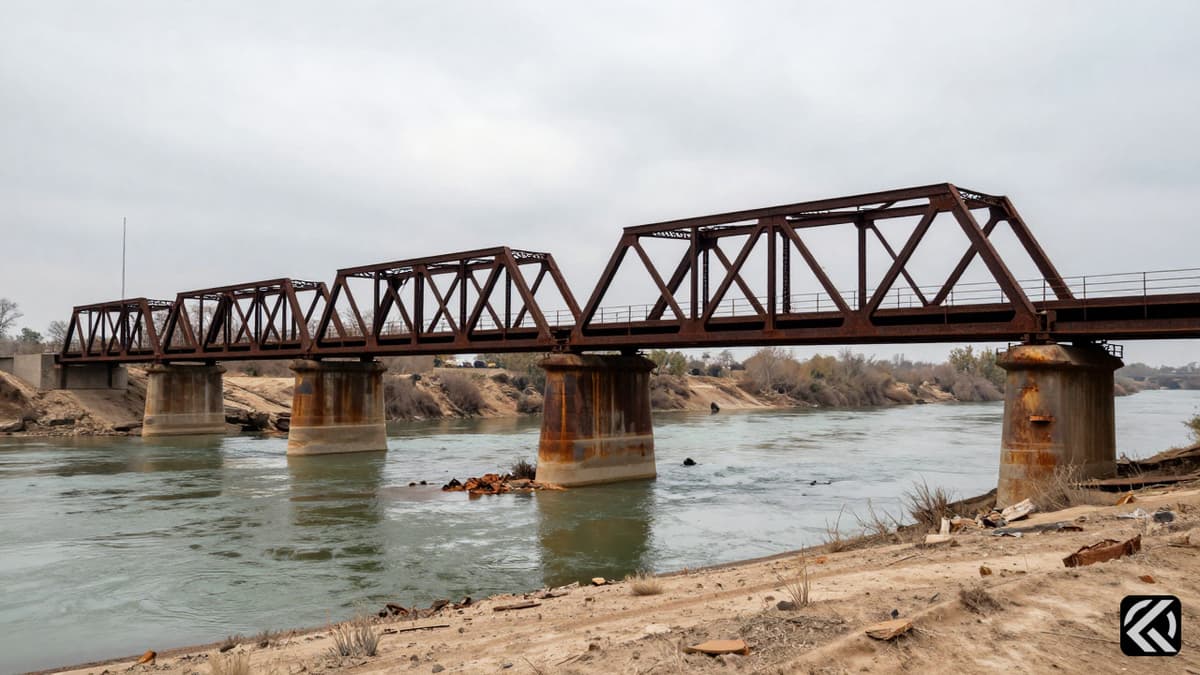
On Thursday, the Israeli military destroyed the last bridge linking the south to the rest of the country, further isolating the region and intensifying fears of a long-term occupation. While Iran's foreign minister claimed the Strait of Hormuz was fully open for the duration of the truce, Iran's Tasnim News Agency later labeled the post "bad and incomplete," noting that passage would be void if a US naval blockade continued. European leaders, including Ursula von der Leyen, called the deal a relief, emphasizing the need for full respect of Lebanon's sovereignty.
The immediate future of the Israel-Lebanon ceasefire hinges on whether the "mutual agreement" for extension can be reached following the initial 10-day period. Given the deep entrenchment of Hezbollah in Lebanon's security landscape and the refusal of Israel to withdraw its forces from the southern security zone, the truce appears to be a fragile pause rather than a resolution. The contradictory statements from Iranian media regarding the Strait of Hormuz suggest that the broader geopolitical fallout, involving the US and regional proxies, remains a significant variable.
If the pattern of previous ceasefires holds, where near-daily cross-border strikes persisted despite agreements, the likelihood of a lasting peace diminishes without a clear mechanism to address the security demands of both sides. The displacement of 1.2 million people and the destruction of 1,400 buildings create a humanitarian crisis that could destabilize the region long after the fighting stops. The international community's focus now shifts to monitoring whether the US can successfully facilitate the "direct talks" necessary to move from a temporary halt to a permanent security and peace agreement, as both Lebanon and Israel have explicitly requested. Without a resolution to the status of Israeli troops and the disarmament of non-state actors, the cycle of violence threatens to resume the moment the current truce expires on April 22.
Jun 8, 2026 02:17 UTC
Magnitude 7.8 Quake Shakes Philippines, Urging Immediate Evacuations
Jun 8, 2026 00:51 UTC
Trump Claims Iran Nuclear Deal Imminent Despite Diplomatic Fractures
Jun 8, 2026 00:47 UTC
Iran Fires Missiles at Israel After Beirut Strike
Jun 7, 2026 22:00 UTC
US, Iran Peace Hops Fade 100 Days Into War
Jun 8, 2026 04:15 UTC
Trump Urges Netanyahu to Halt Iran Strike for Peace


