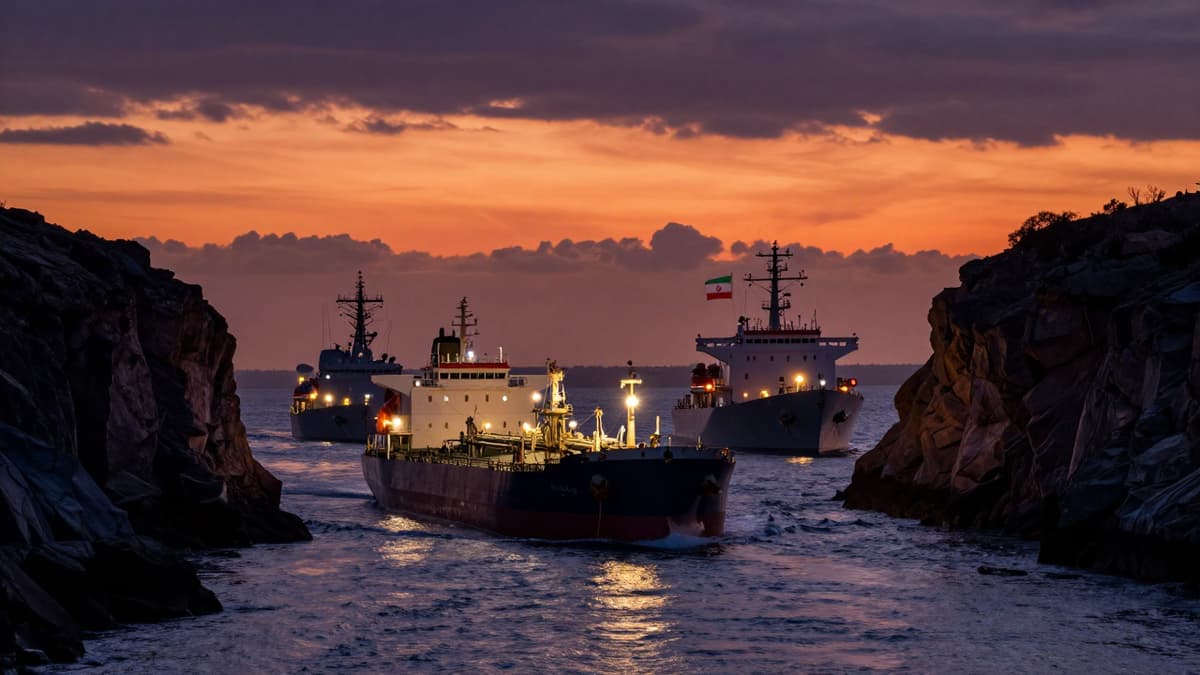
US officials claim military objectives in Iran are being met ahead of schedule, while global leaders rally to secure the vital Strait of Hormuz against rising tensions.
US Secretary of State Marco Rubio has declared that American military operations in Iran are expected to conclude within the next couple of weeks, signaling a significant shift in the ongoing conflict. Speaking at the conclusion of a gathering in France involving foreign ministers from major Western economies, Rubio stated that all strategic objectives are being achieved ahead of schedule. This assessment comes as the fourth week of the war draws to a close, with the timeline aligning with previous predictions regarding the duration of hostilities.
The conflict, which began on February 28, has already resulted in the deaths of several top Iranian leaders following joint operations by the United States and Israel. In response to the escalating situation, the US is reportedly deploying additional troops to the region to provide the president with further strategic options. Rubio clarified that the duration of the conflict is a matter of "weeks, not months," reinforcing the urgency of the current military timeline.
While President Donald Trump has reportedly conveyed a 15-point plan to end the war through Pakistan-a move Rubio acknowledged has generated messages of willingness from Tehran-the specific identity of Iranian representatives remaining in the conversation remains unclear. Rubio noted that while there is a willingness to talk, the US is currently awaiting further clarification on who will lead negotiations, what the agenda entails, and when discussions will commence. He emphasized that the US is waiting for a response to the proposed deal, which, if accepted, would resolve the crisis entirely.
Amidst the military discussions, the geopolitical fallout of the war has triggered immediate diplomatic action regarding vital trade routes. Iran has closed the Strait of Hormuz in retaliation for attacks on its nuclear facilities and major steel plants, leading to skyrocketing oil prices and fears of a severe global economic contraction. During the G7 talks, foreign ministers issued a joint statement emphasizing the "absolute necessity to permanently restore safe and toll-free freedom of navigation" in the strait. The International Islamic Republic Guard (IRGC) has reportedly begun charging fees for vessel passage, while Iranian MPs are in the early stages of drafting legislation to formalize these restrictions.
The closure of the strait has caused significant concern among G7 nations, particularly regarding energy prices and economic stability. The United States has called for allied nations to send ships to escort vessels through the blockade, a proposal that has so far been refused by most NATO allies, except for Japan. This refusal has reportedly angered President Trump, prompting Secretary of State Rubio to announce that the United Kingdom is now leading efforts to build a coalition to ensure the strait remains free. Rubio noted that such a coalition will be essential not only for the duration of the conflict but for the period immediately following the end of hostilities.
Rubio reiterated the administration's stance that Iran is being decimated and that the country now desires to make a deal. However, he admitted uncertainty regarding the finalization of negotiations, stating, "We haven't gotten it yet." The administration has exchanged messages with the Iranian system, though it remains unclear how much of the leadership structure remains to represent the country. The US continues to press for a response to the 15-point deal, which they believe will solve the conflict and allow for the restoration of global maritime stability.
The potential conclusion of US operations in Iran within weeks, as projected by Marco Rubio, suggests a rapid resolution to a conflict that has already destabilized regional energy markets. If the US 15-point plan is accepted, the closure of the Strait of Hormuz could be lifted, immediately lowering oil prices and preventing a severe economic contraction. However, the current ambiguity regarding the Iranian leadership and the refusal of NATO allies to provide naval escorts pose significant hurdles. The UK-led coalition may become the primary mechanism for maintaining open waterways, setting a precedent for future international security operations in the region. Without a definitive response from Tehran, the threat of further attacks on nuclear and industrial sites remains a volatile variable that could reignite tensions.
Jun 8, 2026 02:17 UTC
Magnitude 7.8 Quake Shakes Philippines, Urging Immediate Evacuations
Join 50,000+ readers getting the global briefing every morning.
No spam. Unsubscribe anytime.
Jun 8, 2026 02:17 UTC
Magnitude 7.8 Quake Shakes Philippines, Urging Immediate Evacuations
Jun 8, 2026 00:51 UTC
Trump Claims Iran Nuclear Deal Imminent Despite Diplomatic Fractures
Jun 8, 2026 00:47 UTC
Iran Fires Missiles at Israel After Beirut Strike
Jun 7, 2026 22:38 UTC
Congress Party Claims Unity for INDIA Bloc Delhi Meeting


