Section
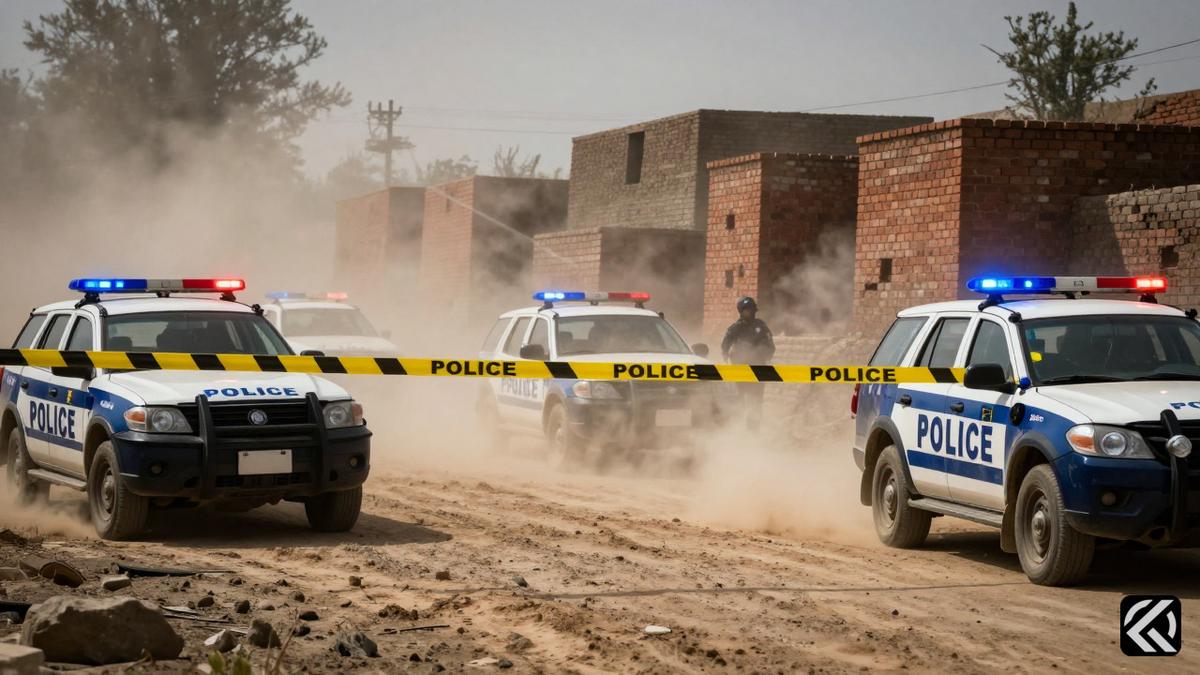
A man accused of shooting a police officer in Santiniketan was killed in a gunfight. This marks the fifth encounter in West Bengal since the new government took office.
A man accused of opening fire at a police constable in Santiniketan was killed in a gunfight with law enforcement officers on Sunday, November 15, 2026. Ratan Sheikh, identified as a history-sheeter and absconder, died after he allegedly opened fire at a police team while attempting to evade arrest at a brick kiln in Nanoor, located in the same Birbhum district of West Bengal. Senior officials confirmed the incident, marking a significant escalation in the state's approach to criminal activity.
The incident stems from an earlier confrontation on Friday, November 13, 2026, when Sheikh allegedly shot at Constable Biswajit Das during an arrest attempt in the Laik Bazar area of the Santiniketan police station. The assault left the constable injured in the leg, prompting a massive manhunt that ultimately led to the encounter in Nanoor. This event is the fifth police encounter in West Bengal in six months since the BJP came to power in the state, signaling a hardened stance against lawlessness.
The circumstances surrounding the death of Ratan Sheikh have drawn immediate attention from political leadership. Sheikh had been absconding following the initial assault on the constable. The police team confronted him at a brick kiln in Nanoor, where he allegedly decided to resist arrest by opening fire. The subsequent gunfight resulted in his death on the spot. Authorities have described Sheikh as a history-sheeter, indicating a prior record of criminal activity, which likely contributed to the aggressive nature of the police response.
The incident has reignited discussions about the safety of law enforcement personnel and the methods employed to combat crime in the region. The attack on Constable Biswajit Das in Santiniketan, a culturally significant area known for its historical value, underscored the vulnerability of police officers in the line of duty. The fact that the suspect was able to evade initial capture before being tracked down to a brick kiln highlights the challenges faced by the police in tracking down absconders with criminal backgrounds.
The response from the state government has been swift and unequivocal. Chief Minister Suvendu Adhikari addressed the media regarding the incident, using strong rhetoric to justify the police actions. In a pointed remark to reporters, he asked, "If someone opens fire at the police, should the police offer them sweets?" This comment serves as a clear indicator of the government's zero-tolerance policy towards attacks on law enforcers. Adhikari asserted that criminals have no place in the state, framing the encounter not just as a law enforcement action but as a necessary step to maintain order and safety for citizens and officers alike.
This encounter is significant not only for the immediate outcome but for its broader political context. It is the fifth such incident in six months, suggesting a concerted effort by the new administration to demonstrate efficacy in crime control. The timing and nature of these encounters suggest a strategic shift in policing tactics, moving towards more aggressive postures against known criminals. The state government appears to be using these incidents to bolster its narrative of strength and decisiveness in governance.
The impact on local communities in Birbhum and Santiniketan may be felt through increased police presence and stricter enforcement measures. Residents may experience a sense of heightened security, but also potential disruption due to frequent police operations. The case of Ratan Sheikh serves as a stark warning to others involved in criminal activities, emphasizing the risks associated with resisting law enforcement. The legal aftermath will likely involve investigations into the encounter to ensure adherence to protocol, although the government's strong support for the police suggests minimal consequences for the officers involved.
The killing of Ratan Sheikh and the broader trend of encounters point to a potential long-term shift in West Bengal's law and order strategy. If the current administration maintains this aggressive posture, it could lead to a reduction in street crime but also raises concerns about civil liberties and due process. The definition of "criminal" and the criteria for such encounters may come under scrutiny. The government's stance, as articulated by Chief Minister Adhikari, suggests that future policies will prioritize immediate deterrence over prolonged legal battles. This approach may resonate with a public weary of crime but could also face legal challenges from human rights groups. The success or failure of this strategy will depend on subsequent legal outcomes and public perception of safety versus justice.
Nov 17, 2026 16:45 UTC
US Intel Warns of Iran Dirty Bomb Plot in DC
Nov 17, 2026 12:48 UTC
Quad Summit Manila: Modi, Trump Focus on Indo-Pacific Security
Nov 17, 2026 10:43 UTC
Ukraine Strike Collapses Crimean Bridge Ahead of Diplomatic Talks
Nov 16, 2026 16:25 UTC
Beijing Claims Historic Significance for Trilateral Talks in Shenzhen
Nov 16, 2026 18:41 UTC
Lindsay Clancy Retrial Scheduled for March 2027