Section
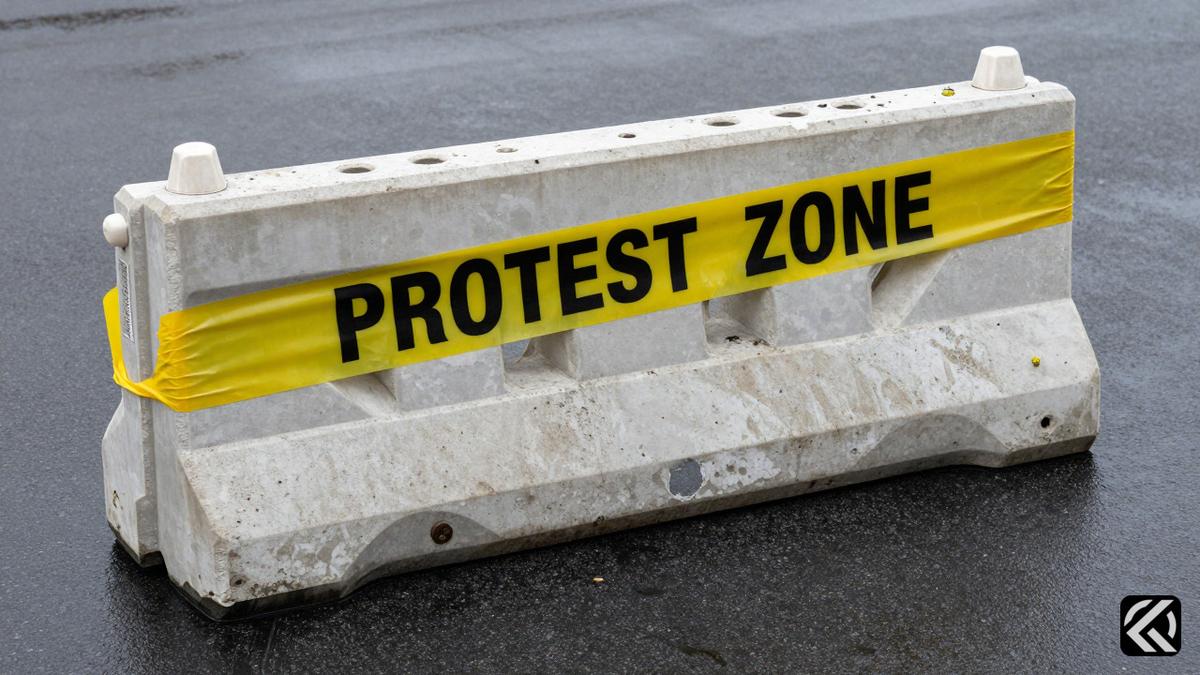
New York City Mayor Zohran Mamdani has officially disbanded the controversial NYPD Strategic Response Group, marking a significant shift in how the city manages public demonstrations and civil unrest.
Mayor Zohran Mamdani and NYPD Commissioner Jessica Tisch announced the immediate disbandment of the Strategic Response Group (SRG) on Monday, fulfilling a central campaign pledge to fundamentally alter how New York City handles public demonstrations. This decisive action marks the culmination of months of internal development and external pressure to separate counterterrorism protocols from standard protest policing. The move aims to address long-standing criticisms regarding excessive force and militarized tactics used during civil unrest, particularly following the intense scrutiny of the 2020 Black Lives Matter demonstrations. By dismantling the unit, the administration seeks to align police operations with constitutional protections and restore public trust in law enforcement’s role during First Amendment activities.
The NYPD Strategic Response Group disbandment represents a structural overhaul of the department’s approach to crowd management. Alongside the unit's elimination, the new directive explicitly bans several aggressive tactics previously employed by the group. Kettling, a method where officers surround and restrict the movement of demonstrators, is now formally prohibited. Additionally, the use of tear gas, long guns, and pepper spray as crowd management tools is banned. Officers are restricted from using acoustic devices above 90 decibels, and the use of bicycles as weapons is permitted only in scenarios preventing death or serious physical injury. These restrictions are designed to de-escalate tensions and ensure that responses to protests are proportional and respectful of civil liberties.
To replace the SRG, the city is establishing a coordinated response framework involving new specialized units. A civilian-led “Community Dialogue and De-escalation Division” will be created within the Mayor’s Office of Community Safety. This division will operate without weapons or arresting powers, focusing solely on communication and de-escalation. Working alongside it is the First Amendment Support Team, a new NYPD unit tasked with preparing for and responding to protests. Both civilian and police components will collaborate with a new Patrol Support Division, staffed by vetted officers who have received specialized training in crowd control management. This tripartite structure aims to prioritize dialogue and safety over intimidation.
The initiative closely mirrors the legislative goals of the CURB Act New York, a proposal championed by City Councilmember Chi Ossé. Mamdani and Ossé jointly announced the reforms in a social media video, highlighting their alignment on public safety issues. Mamdani emphasized that the reforms go beyond simply eliminating a unit, stating, “Today is about a lot more than disbanding the SRG, we are building a new approach to public safety, one where all communities can trust that their safety and fundamental freedoms will be protected.” The collaboration underscores a broader political commitment to overhauling public safety mechanisms in response to community demands for accountability.
Zohran Mamdani protest policing reform follows intense scrutiny of the SRG’s history. Created in 2015 with a focus on counterterrorism, the roughly 500-member unit frequently deployed to protests, drawing accusations of excessive force and militarization. Critics, including some of Mamdani’s left-leaning supporters, had pressured the mayor to act after months of perceived inaction. A 2020 Department of Investigation report found that the NYPD, with the SRG playing a “central role,” had violated demonstrators’ First Amendment rights through excessive force. Despite this, law enforcement unions defended the unit, arguing its specialized training was necessary for handling violent demonstrations. The administration’s decision to disband it signals a shift away from this defensive, militarized posture toward a more community-oriented model.
In a statement, Commissioner Tisch expressed strong support for the structural changes, noting that the new framework would preserve the NYPD’s ability to respond to serious threats while providing officers with better support during large events. “I believe strongly that the NYPD must always be willing to examine how we operate and make improvements,” Tisch said. She clarified that the changes would not diminish the department’s protective capabilities, asserting that the reforms would make the department “stronger, more effective.” The counterterrorism functions previously handled by the SRG, including the deployment of heavy weapons at critical infrastructure, have been consolidated within the NYPD’s Intelligence and Counterterrorism Bureau, ensuring that security priorities for infrastructure are maintained without militarizing street-level protests.
The reforms are being implemented without additional funding or changes to the total size of the NYPD workforce. This fiscal neutrality was highlighted by the administration as the new protest-response structure takes effect. Mamdani’s administration has been actively reshaping public safety since launching the Mayor’s Office of Community Safety in March. The disbandment of the SRG is the latest in a series of moves aimed at strengthening police accountability and revising use-of-force policies. These changes reflect a growing consensus among city leadership that traditional counterterrorism tactics are inappropriate for managing constitutional protests.
The implementation of these reforms will likely redefine the operational standards for law enforcement during civil unrest across New York City. By institutionalizing civilian dialogue units and banning militarized tactics, the city sets a precedent that may influence other municipalities grappling with similar tensions. The consolidation of counterterrorism duties into a dedicated bureau ensures that national security concerns are addressed without conflating them with domestic protest management. As the new structures take hold, observers will monitor whether the anticipated reduction in violent encounters materializes and if the increased community trust translates into sustained cooperation between citizens and law enforcement. The long-term success of this model will depend on consistent training adherence and the ability to maintain public order without resorting to the previously banned heavy-handed measures.
Nov 17, 2026 16:45 UTC
US Intel Warns of Iran Dirty Bomb Plot in DC
Nov 17, 2026 12:48 UTC
Quad Summit Manila: Modi, Trump Focus on Indo-Pacific Security
Nov 17, 2026 10:43 UTC
Ukraine Strike Collapses Crimean Bridge Ahead of Diplomatic Talks
Nov 16, 2026 16:25 UTC
Beijing Claims Historic Significance for Trilateral Talks in Shenzhen
Nov 17, 2026 16:58 UTC
PM Modi Urges Global Stability at Asean-India Summit