Tensions rise in Lok Sabha as MPs debate the removal of Speaker Om Birla amidst procedural disputes and technical clarifications on railway safety systems.
The ongoing Budget Session has witnessed significant turbulence within the Lok Sabha, centering on a contentious resolution aimed at removing Speaker Om Birla. As proceedings resumed, the atmosphere grew charged with political maneuvering and procedural disputes. The Opposition has moved to challenge the leadership of the House, citing grievances regarding parliamentary conduct, while senior BJP leaders have mounted a robust defense of the Speaker and the Prime Minister’s position. This clash highlights deepening fault lines in legislative decorum and operational transparency during critical budget discussions.
Leader of the Opposition Rahul Gandhi articulated strong concerns regarding the suppression of dissent within the chamber. He asserted that multiple discussions raised by the Opposition have been systematically halted. According to Gandhi, the last time he addressed the House, he raised a significant question concerning compromises involving the Prime Minister, yet these points were not adequately heard. The core of the Opposition's motion relies on allegations of mass suspensions and strict microphone controls during debates. They argue that the instrument of Opposition against the Speaker is being weaponized to satisfy personal egos rather than uphold democratic discourse. During Question Hour, which was commenced by Dilip Saikia, the Opposition poured into the well of the House in protest, reflecting their dissatisfaction with how proceedings are managed.
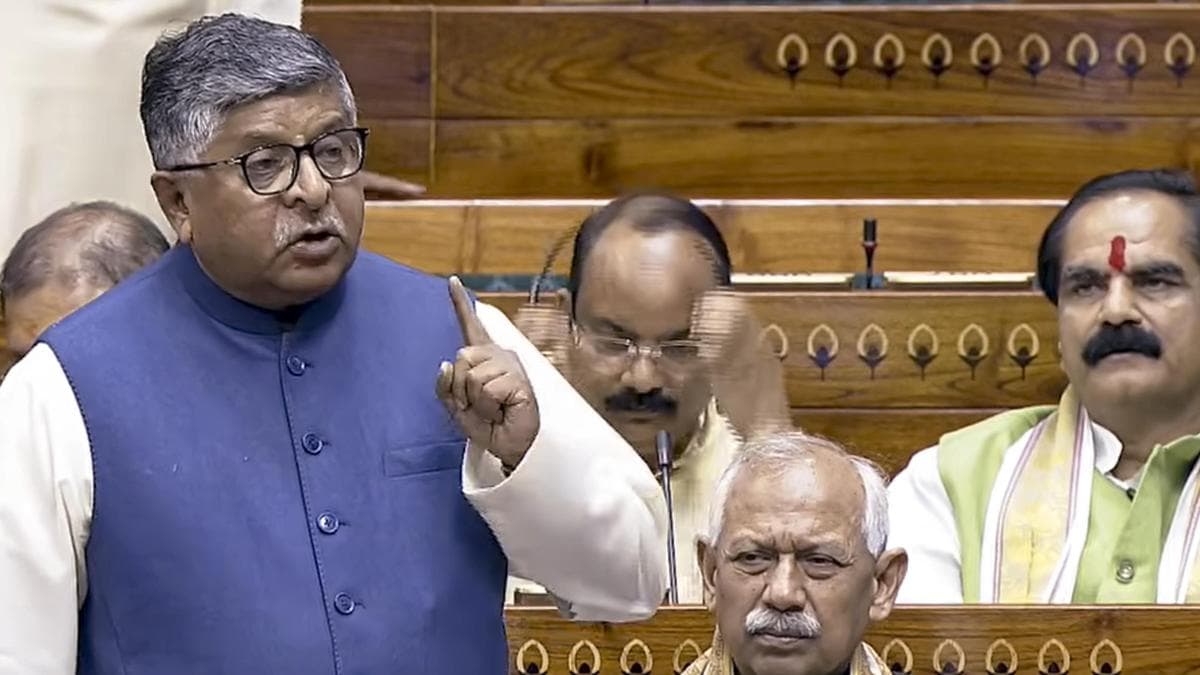
In response to the escalating tensions, BJP MP Ravi Shankar Prasad delivered a forceful rebuttal emphasizing that the Prime Minister can never be compromised. Prasad referenced Kaul and Shakdher’s book on Parliamentary procedure to outline the responsibilities of the Leader of the Opposition. He warned against allowing the removal instrument to become a tool for ego-driven agendas. To contextualize the gravity of parliamentary conduct, Prasad noted that 11 MPs had previously been expelled from the same parliament for accepting money to ask specific questions without anyone protesting at that time. He further invoked historical judicial precedents, citing Judge H.R. Khanna’s decision in ADM Jabalpur regarding fundamental rights during an Emergency. Prasad remarked that despite this bravery, the Congress party did not allow him to remain Chief Justice for even 45 days, using this to highlight complex political histories within the House.
While the political debate unfolded, technical matters were addressed by Railways Minister Ashwini Vaishnaw in response to Dr. D. Purandeswari. The Minister described Kavach as a highly complicated system comprising five distinct sub-systems. He detailed that an optical fibre cable is installed alongside telecom towers positioned every 2-3 kilometers, creating a setup comparable to establishing a new telecom company. Station data centres are required at every stop, with 767 already installed. Furthermore, trackside equipment has been deployed across 6,776 km of track, and the system covers 4,154 km. Vaishnaw pointed out that the final design was approved only in 2024, noting a significant delay compared to the original target of completion in the 1990s. This technical exposition provided context amidst the broader political noise regarding infrastructure safety and implementation timelines.
The Budget Session has become a focal point for debates on parliamentary freedom and executive accountability. While the Opposition continues to push for the Speaker’s removal citing procedural violations, the ruling party defends the current administration’s stance on leadership integrity. Simultaneously, ministers provided detailed insights into complex infrastructure projects like Kavach. The session underscores the friction between legislative opposition and government control, leaving the outcome of the resolution pending further deliberation.
May 1, 2026 03:50 UTC
Trump Administration Declares Iran Conflict Terminated
Join 50,000+ readers getting the global briefing every morning.
No spam. Unsubscribe anytime.
May 1, 2026 03:50 UTC
Trump Administration Declares Iran Conflict Terminated
Apr 25, 2026 01:38 UTC
Iranian FM Araghchi Heads to Islamabad for Critical US-Iran Talks
Apr 25, 2026 01:13 UTC
Calm Suspect in Delhi Rape-Murder Case Faces Mental Evaluation
Apr 24, 2026 23:24 UTC
Raghav Chadha joins BJP, Shaking AAP’s Rajya Sabha Strength