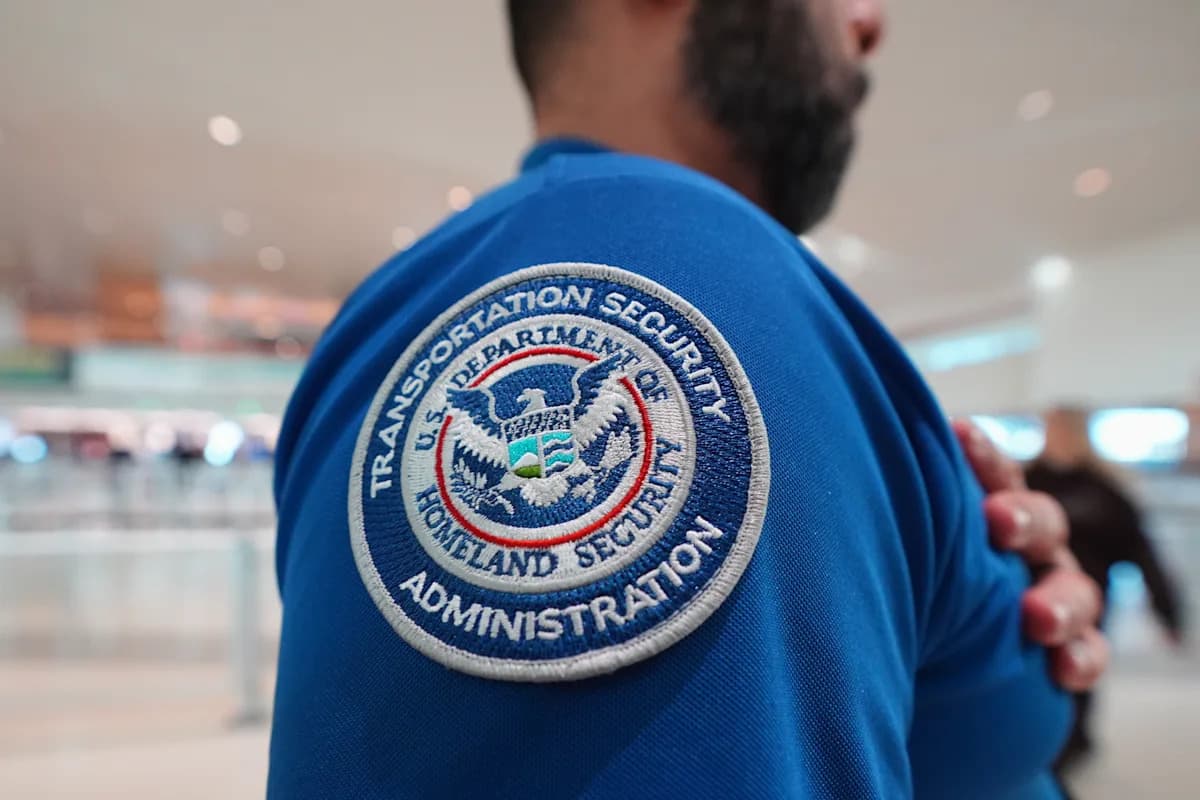
Frustration mounts in Washington as lawmakers debate Homeland Security funding while travelers face significant delays.
Tensions have reached a boiling point on the Senate floor as Republican and Democratic senators express deep frustration over the ongoing impasse regarding Department of Homeland Security funding. Now entering its fourth week, the shutdown is causing tangible hardships for citizens across the nation, most notably through extended wait times at airports. While Congress has successfully completed work on 11 of this year’s 12 appropriations bills, the remaining bill for Homeland Security remains outstanding, creating a stalemate that affects over 260,000 employees who continue to work without pay.
The political divide is stark, with both sides acknowledging the deadlock but refusing to yield on core demands. Democrats, led by Senator Patty Murray, insist on operational changes before providing full funding. These conditions include prohibiting Immigration and Customs Enforcement operations at sensitive locations like schools and churches, mandating warrants for home entries, and requiring agents to wear identification. Conversely, Republicans remain adamant that any agreement cannot compromise enforcement capabilities. Senator Eric Schmitt explicitly stated they would do nothing to kneecap ICE’s ability to enforce immigration laws.
Senate Majority Leader John Thune noted that his side has made repeated offers, yet he claims the White House needs to be involved for real negotiations. Murray countered that talks without Stephen Miller present are insufficient, fearing any agreement could be overridden by the deputy chief of staff. The situation escalated emotionally following the deaths of Renee Good and Alex Pretti in Minneapolis, prompting Senator Brian Schatz to declare the issue has moved beyond politics into a matter of citizen safety.
The most visible consequence of this standoff is the strain on air travel infrastructure. A shortage of Transportation Security Administration screeners has led to significant delays at major hubs. Houston’s secondary airport reported the worst conditions, with security lines consistently lasting over three hours during peak times. Passengers in New Orleans and Atlanta also faced waits exceeding an hour. DHS officials have publicly blamed Democrats for these disruptions, noting that Americans are missing spring break flights due to the lack of operational funding. The human cost is high, as federal workers endure a second unpaid work period following last fall’s record 43-day shutdown.
Beyond the immediate delays, the shutdown threatens the stability of the air travel sector. Trade groups warn that prolonged operational funding blocks will have lasting negative impacts on the economy. The U.S. Chamber of Commerce has urged Congress to quickly resolve the issue, arguing that blocking paychecks for those ensuring safe travel is wrong and strains the system significantly. While earlier bipartisan negotiations included resources for de-escalation training and body-worn cameras, those discussions unraveled following specific enforcement incidents.
The standoff continues as each party blocks the other's proposal for a temporary resolution. While lawmakers remain engaged in debate, the lack of agreement leaves travelers stranded and workers unpaid. Until the White House and Congress find common ground on enforcement conditions, the airport chaos is expected to intensify, leaving citizens caught in the middle of a high-stakes political negotiation.
May 1, 2026 03:50 UTC
Trump Administration Declares Iran Conflict Terminated
Join 50,000+ readers getting the global briefing every morning.
No spam. Unsubscribe anytime.
May 1, 2026 03:50 UTC
Trump Administration Declares Iran Conflict Terminated
Apr 25, 2026 01:38 UTC
Iranian FM Araghchi Heads to Islamabad for Critical US-Iran Talks
Apr 25, 2026 01:13 UTC
Calm Suspect in Delhi Rape-Murder Case Faces Mental Evaluation
Apr 24, 2026 23:24 UTC
Raghav Chadha joins BJP, Shaking AAP’s Rajya Sabha Strength