Prime Minister Modi warns against panic as states activate monitoring mechanisms amidst reported supply disruptions.
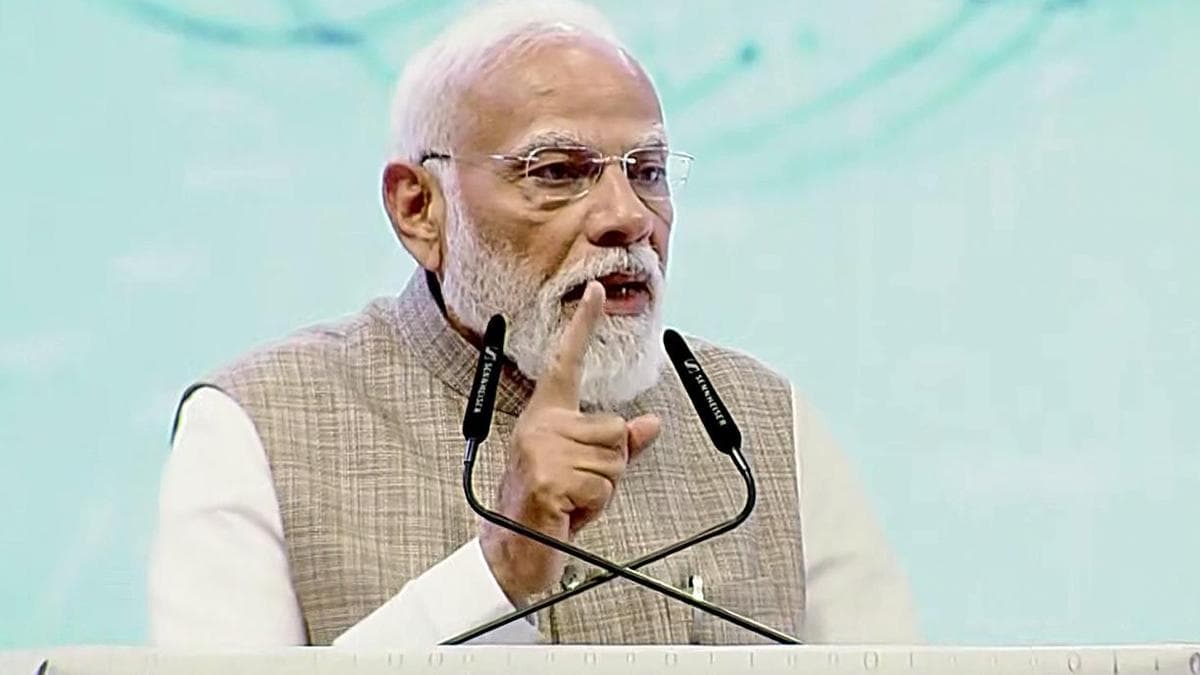
Prime Minister Narendra Modi recently addressed the NXT Summit, warning that individuals attempting to cause panic are causing harm to the country. Despite a recent increase in domestic production, India's LPG supply relies heavily on imports due to limited long-term storage capabilities. The ongoing conflict in West Asia has left no nation unaffected, prompting the government to leave no stone unturned in safeguarding energy security. However, ground reports suggest a disconnect between official assurances and consumer experiences, with some individuals spreading unnecessary panic regarding availability.
Various state administrations have moved quickly to address consumer concerns through strict monitoring. In Meghalaya, Food Minister Methodius Dkhar announced that authorities activated a State-level mechanism under the chief secretary to track supply daily. West Bengal Chief Minister Mamata Banerjee chaired a special meeting at Nabanna, establishing a round-the-clock control room to address grievances. She emphasized that hoarding will not be tolerated while ensuring supply continuity for hospitals and schools. The Delhi government assured normal fuel supplies, deploying field officers to curb black-marketing. Meanwhile, Punjab Chief Minister Bhagwant Singh Mann declared the state on alert against rumors of shortages stemming from Gulf region tensions, insisting people should not face difficulty with essential commodities.
The crisis extends beyond political rhetoric into daily life. In Kozhikode and Kasaragod, gas crematoria operations face disruption due to LPG scarcity. Maharashtra’s Chhatrapati Sambhajinagar restaurants are curtailing menus or shutting down entirely because commercial cylinder wait times have become too long. Owners report switching to wood or coal cooking methods as distributors struggle to secure supplies. Distributors claim 80% of supply originates from Qatar with no alternative sources. While officials state domestic cylinders remain available, distributors note flooded queries and a lack of clear answers for consumers facing booking issues. In Tamil Nadu, long queues of motorists were seen outside petrol stations, with residents in Chennai and Coimbatore waiting over 45 minutes to fill vehicle tanks. The interim period between booking two LPG cylinders continues to be 25 days for urban areas, but extended to 45 days for rural since yesterday night.
Opposition leaders have intensified attacks on the ruling party regarding energy management. Congress President Govind Singh Dotasra compared current queues to those during demonetisation. Rahul Gandhi alleged the government compromised India’s right to determine oil supplier relationships with the U.S. He cited the Strait of Hormuz closure due to the Iran-Israel-U.S. conflict as a major threat to energy security. Conversely, the Rajasthan government denies any shortage exists. The Bombay High Court has issued notices regarding petitions from LPG distributors seeking increased domestic supply, highlighting legal challenges alongside the logistical ones. Petitioners claimed Nagpur-headquartered Confidence Petroleum India Ltd had failed to augment supply despite directives prioritizing domestic distribution.
The ongoing LPG supply crisis reflects a complex interplay of global conflict and domestic infrastructure limitations. With limited long-term storage, India relies heavily on imports, making it vulnerable to West Asian tensions. As state governments enforce strict monitoring and the judiciary intervenes, citizens remain anxious about essential commodity availability. While production increased by 28% in the last five days according to some reports, panic driven by consumer anxiety remains a significant driver of the current situation. The situation underscores the fragility of energy security during geopolitical instability.
May 1, 2026 03:50 UTC
Trump Administration Declares Iran Conflict Terminated
Join 50,000+ readers getting the global briefing every morning.
No spam. Unsubscribe anytime.
May 1, 2026 03:50 UTC
Trump Administration Declares Iran Conflict Terminated
Apr 25, 2026 01:38 UTC
Iranian FM Araghchi Heads to Islamabad for Critical US-Iran Talks
Apr 25, 2026 01:13 UTC
Calm Suspect in Delhi Rape-Murder Case Faces Mental Evaluation
Apr 24, 2026 23:24 UTC
Raghav Chadha joins BJP, Shaking AAP’s Rajya Sabha Strength