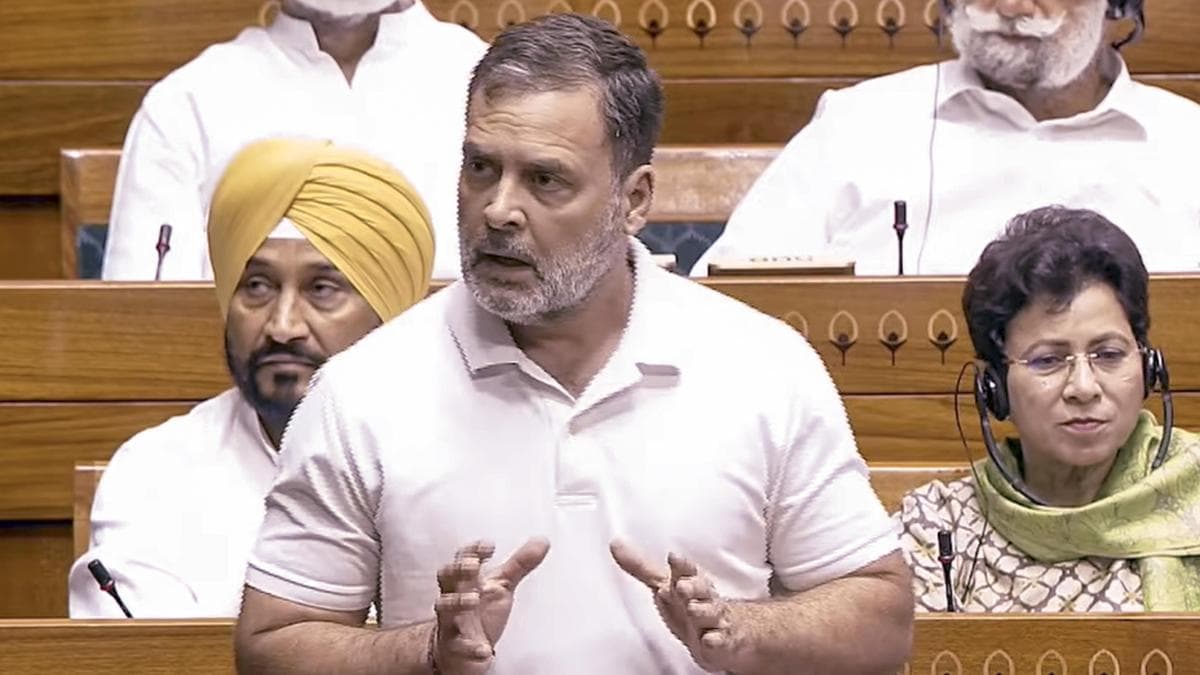
The Lok Sabha witnessed heated exchanges regarding a no-confidence motion against the Speaker on March 11, 2026.
The recent budget session of the Lok Sabha witnessed intense political friction during a debate on a no-confidence motion targeting Speaker Om Birla. On March 11, 2026, the proceedings became particularly heated as Leader of the Opposition Rahul Gandhi clashed directly with BJP MP Ravi Shankar Prasad.
Rahul Gandhi asserted that he was repeatedly silenced during previous sessions when attempting to raise critical concerns. He specifically cited issues involving Prime Minister Narendra Modi being compromised, referencing a book by former Army Chief General M.M. Naravane (Retd). Additionally, the Leader of the Opposition brought up matters related to Epstein, claiming these were suppressed topics. Gandhi stated firmly that the Prime Minister has been compromised and insisted that this knowledge is widely held among the public. He argued that his attempts to discuss these sensitive subjects were blocked multiple times within the Lok Sabha chamber.
Ravi Shankar Prasad immediately refuted these assertions, maintaining a firm stance on the integrity of the Prime Minister's office. Prasad reminded the House that PM Narendra Modi can never be compromised. He further challenged the procedural legitimacy of Gandhi’s interjection, questioning whether such a debate was permitted under point of order rules. Prasad argued it was not allowed and criticized the Opposition for utilizing parliamentary proceedings to satisfy personal ego rather than substantive governance issues. He also cast doubt on the authenticity of the Naravane book, noting it never officially got published despite circulating.
The current motion against Speaker Om Birla stems from broader frustrations regarding partisan behavior. More than 50 MPs initially stood in support, with a final tally of 118 Opposition MPs signing the resolution. Congress MP Mohammad Jawed moved the motion, which was granted leave by BJP MP Jagdambika Pal while she presided over the House. Pal announced a ten-hour allotment for the debate, emphasizing that MPs should stick strictly to the resolution. This follows a prior incident on February 2 during the Motion of Thanks on the President’s Address. During that session, Defence Minister Rajnath Singh interrupted Gandhi regarding quoting from an unpublished book, raising concerns about authentication and legitimacy. The ruling Benches consistently objected to citing excerpts from General Naravane’s memoirs.
The debate underscored significant tensions within the Lok Sabha regarding free speech and executive conduct. While the Opposition focused on alleged compromises involving high-ranking officials, the ruling party emphasized procedural rules and the sanctity of the Prime Minister’s position. The clash between Gandhi’s accusations and Prasad’s defenses highlighted the polarized nature of the current political landscape.
May 1, 2026 03:50 UTC
Trump Administration Declares Iran Conflict Terminated
Join 50,000+ readers getting the global briefing every morning.
No spam. Unsubscribe anytime.
May 1, 2026 03:50 UTC
Trump Administration Declares Iran Conflict Terminated
Apr 25, 2026 01:38 UTC
Iranian FM Araghchi Heads to Islamabad for Critical US-Iran Talks
Apr 25, 2026 01:13 UTC
Calm Suspect in Delhi Rape-Murder Case Faces Mental Evaluation
Apr 24, 2026 23:24 UTC
Raghav Chadha joins BJP, Shaking AAP’s Rajya Sabha Strength