Section
India’s parliamentary committee intensifies pressure on Meta following the temporary removal of Prime Minister Narendra Modi’s video, demanding executive accountability.
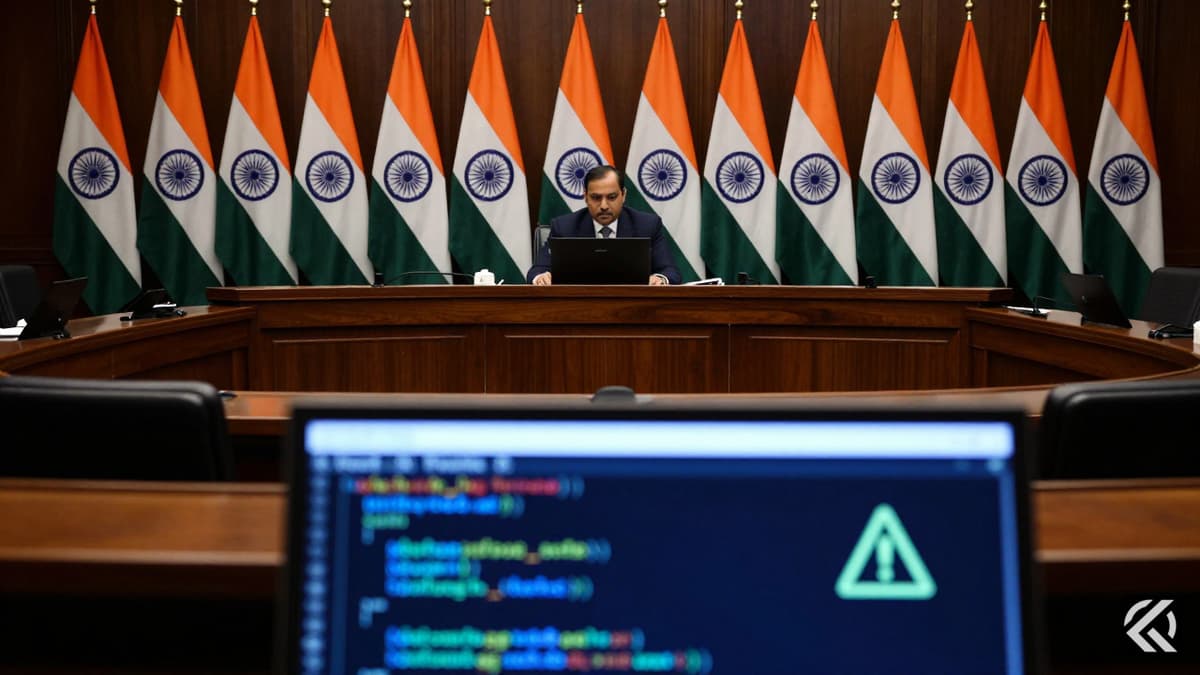
NEW DELHI: The Parliamentary Standing Committee on Communications and Information Technology has escalated its stance against Meta, demanding that CEO Mark Zuckerberg personally apologize for the temporary removal of Prime Minister Narendra Modi’s Facebook video. Chairman Nishikant Dubey warned that the social media giant faces the potential withdrawal of its safe harbour protection under Section 79 of the IT Act if it fails to provide this direct executive accountability. Dubey’s statement follows an apology from Meta officials, who attributed the incident to an algorithmic error, but committee members insist the issue transcends a simple technical fix, requiring clear responsibility for the disruption.
During the committee meeting, which also included representatives from Google, YouTube, X, and Snapchat, alongside officials from the Union Home Ministry and the Ministry of Electronics and Information Technology (MeitY), Dubey highlighted discrepancies in how content is prioritized. He noted that while major political parties collectively reach approximately 23 million viewers, unofficial forums have accessed 27 million, suggesting a bias toward newcomers. When addressing the specific incident involving the Prime Minister, Dubey pointed out that the video was missing for five hours between 12:30 am and 5:00 am. He argued that such a breach, especially regarding the head of government, indicates a serious intent to destabilize the country, referencing previous controversies in January regarding the 2024 elections.
The controversy stems from the temporary restriction of a post where Prime Minister Modi addressed India’s youth and promised stringent action against paper leaks. Although Meta restored the content and cited a technical error, the MeitY deemed the explanation inadequate, raising concerns about national security and public order. Additionally, the Hyderabad Cyber Crime Police has registered cases against Meta India head Arun Srinivas and specific accounts for allegedly morphed and AI-generated posts targeting the Prime Minister. The committee members questioned Meta officials vigorously, stating that the primary concern was not the apology itself but the fixing of accountability for the PM Modi Facebook video removal.
Beyond the specific incident involving the Prime Minister, the committee raised broader concerns about how social media platforms handle objectionable content. Dubey emphasized that platforms like YouTube and Meta are failing to remove Child Sexual Abuse Material (CSAM) and content harmful to women, despite strict government rules. He noted that these platforms often ignore directives from both the Home Ministry and the IT Ministry. To illustrate the seriousness of non-compliance, Dubey referenced an FIR filed by the Chief Minister of Telangana against Meta India. The committee collectively stated that safe harbour protections should be reviewed across all such matters of non-compliance.
Meta officials had apologized before the panel, stating the removal of the Prime Minister’s video was the result of an error. However, sources indicated that several committee members posed tough questions, insisting that fixing accountability was the only acceptable resolution. They further demanded details on the legal action taken against the specific Meta official responsible for the removal. The meeting underscored a growing tension between the Indian government’s regulatory expectations and the operational practices of global tech giants operating within the country.
The Indian government is increasingly asserting its authority over digital platforms, treating technical errors involving state leadership as potential security threats. The refusal to accept a generic corporate apology suggests that future regulatory actions may require direct executive involvement or significant financial penalties. If Meta fails to satisfy the committee’s demands for accountability, the precedent set by this case could lead to stricter enforcement of Section 79, potentially forcing the company to bear greater liability for content hosted on its servers. This shift marks a significant change in the regulatory landscape, where Meta apologises will no longer be sufficient to mitigate political and legal repercussions.
As the parliamentary committee continues its investigation, the potential withdrawal of safe harbour protections looms as a significant threat to Meta’s operational model in India. The demand for direct accountability from CEO Mark Zuckerberg highlights a shift from blaming algorithms to holding corporate leadership responsible for content moderation failures. Future interactions between the Indian government and global tech firms may require more transparent compliance mechanisms and direct executive oversight to prevent similar incidents. This evolving dynamic could reshape how social media platforms manage political content and handle national security concerns in the country.
Aug 17, 2026 14:29 UTC
USS Abraham Lincoln Crew Faces Mental Health Crisis During Extended Deployment
Aug 17, 2026 04:30 UTC
Trump Reduces Joint Military Exercises With South Korea
Aug 17, 2026 02:52 UTC
Kushner Meets Hamas in Egypt Over Rejected Gaza Ceasefire Plan
Aug 16, 2026 20:37 UTC
Kushner Mediates Gaza Ceasefire Amidst Escalating US-Iran Conflicts
Aug 18, 2026 00:16 UTC
Hemant Soren Cancels JSSC-CGL Amid Ongoing Agitation