Tensions surge as Iran's Mojtaba Khamenei issues first public statement while US officials warn of energy disruptions.
The ongoing military confrontation between the United States and Iran has reached its thirteenth day, characterized by a notable shift in authoritative communication from Tehran. A recent statement released today attributed to Iran’s newly designated Supreme Leader, Ayatollah Mojtaba Khamenei, includes familiar regime rhetoric while raising questions regarding his actual whereabouts. This represents his first purported public message, although he has not yet appeared in any video footage or issued an audio declaration.
Skepticism surrounding this new leadership is evident among the diaspora community. Pedram Hamidi, a resident of Canada who grew up under the existing regime, informed CNN that Khamenei is irrelevant because the current conflict focuses on fighting the IRGC. Hamidi expressed significant doubt regarding whether the newly named ayatollah is even alive, pointing out the complete absence of video evidence from any bunker location. He noted that citizens previously identified Mojtaba as the most politically engaged child of Ali Khamenei, effectively groomed for succession after backing Mahmoud Ahmadinejad during the 2005 presidential election. Hamidi suggests the regime’s tactic regarding the Strait of Hormuz is designed to increase the economic and political cost of this war on Trump, hoping he will quit and declare victory. His parents remain in Iran without internet access, living in fear as bombs drop while they desire action.
In contrast, New York resident Elie Bassalian does not place significant weight on Khamenei’s words. He stated that nothing will change unless there is new leadership, dismissing the statement as standard propaganda. Despite never visiting Iran personally, Bassalian maintains strong cultural ties and hopes for American and Israeli success. His family immigrated before the 1979 revolution, preserving Jewish and Persian traditions together during their Sabbath rituals.
The term Ayatollah, meaning sign of God, carries significant political weight since 1979. It is typically reserved for scholars studying Islamic jurisprudence. Iranian state-linked media increasingly referred to Mojtaba as an ayatollah to bolster his standing before he succeeded his late father. This title has become closely intertwined with political authority in Iran, where the supreme leader is expected to have high-level religious credentials.
Economic consequences are already becoming apparent. US Energy Secretary Chris Wright declared that the Strait of Hormuz must ultimately reopen. His remarks coincide with Brent crude oil hovering around $100 per barrel on Thursday. While President Donald Trump attempted to minimize rising prices, arguing the United States benefits from higher energy costs, the International Energy Agency warned the world could face the largest supply disruption in global oil market history. Gas prices increased by 2 cents to an average of $3.60 a gallon. Wright noted the Navy cannot currently escort commercial vessels through the passage, though this capability might be established later this month.
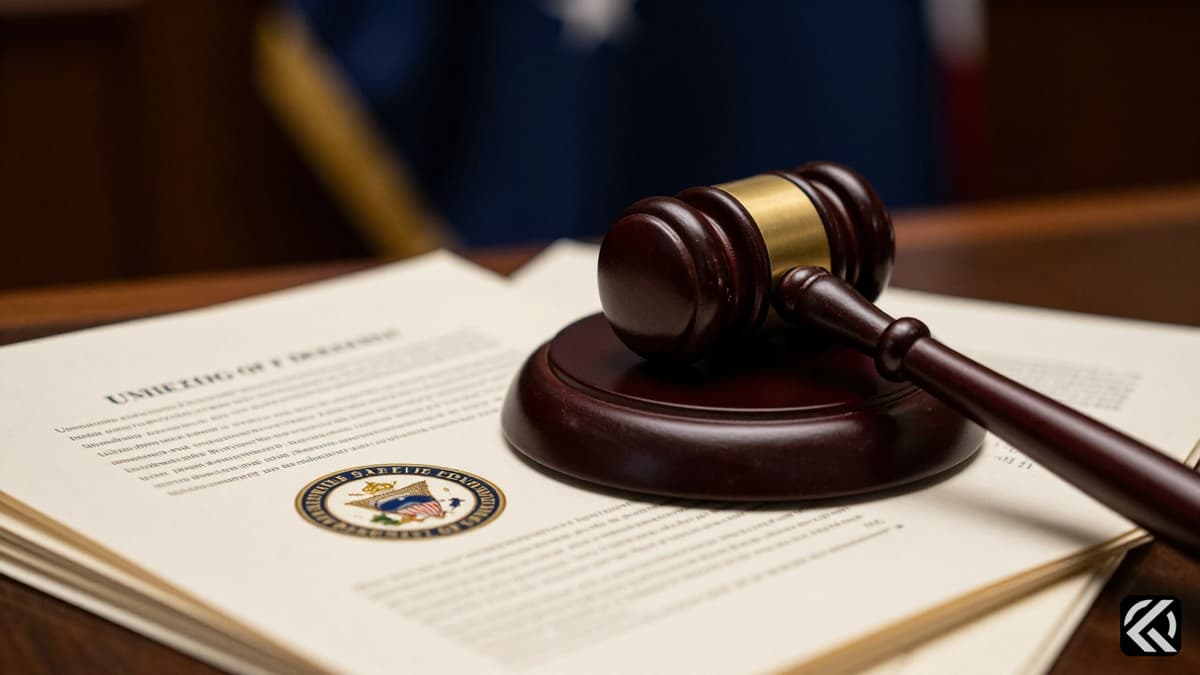
Regional instability continues to intensify. Israel is raising the specter of a major ground operation in Lebanon as fighting escalates with the Iranian-backed Hezbollah militant group. Othman Belbeisi of the International Organization of Migration warned that mass evacuation orders could push displaced populations to more than one million within two or three days. Currently, over 800,000 people are displaced following nearly 700 deaths from Israeli strikes. Israel issued another evacuation order on Thursday, nearly doubling the area residents must leave and advising movement north of the Zahrani River.
Military and infrastructure threats remain critical. The top US military commander in Europe confirmed that air defenses from the continent have been moved to the Middle East. In response to President Trump’s comments, Ali Larijani warned the whole region will go dark in less than 30 minutes if Iran’s electricity infrastructure is targeted. Former Secretary of State John Kerry cautioned that no one should underestimate Iran’s capacity for asymmetrical warfare, describing the energy shock as one of the worst global crises in decades. He noted the crisis could get even more out of control if it continues too long.
The situation remains volatile as diplomatic channels struggle against military realities. Economic and security experts warn of prolonged disruption while regional actors prepare for further escalation in the coming days.
May 1, 2026 03:50 UTC
Trump Administration Declares Iran Conflict Terminated
Join 50,000+ readers getting the global briefing every morning.
No spam. Unsubscribe anytime.
May 1, 2026 03:50 UTC
Trump Administration Declares Iran Conflict Terminated
Apr 25, 2026 01:38 UTC
Iranian FM Araghchi Heads to Islamabad for Critical US-Iran Talks
Apr 25, 2026 01:13 UTC
Calm Suspect in Delhi Rape-Murder Case Faces Mental Evaluation
Apr 24, 2026 23:24 UTC
Raghav Chadha joins BJP, Shaking AAP’s Rajya Sabha Strength