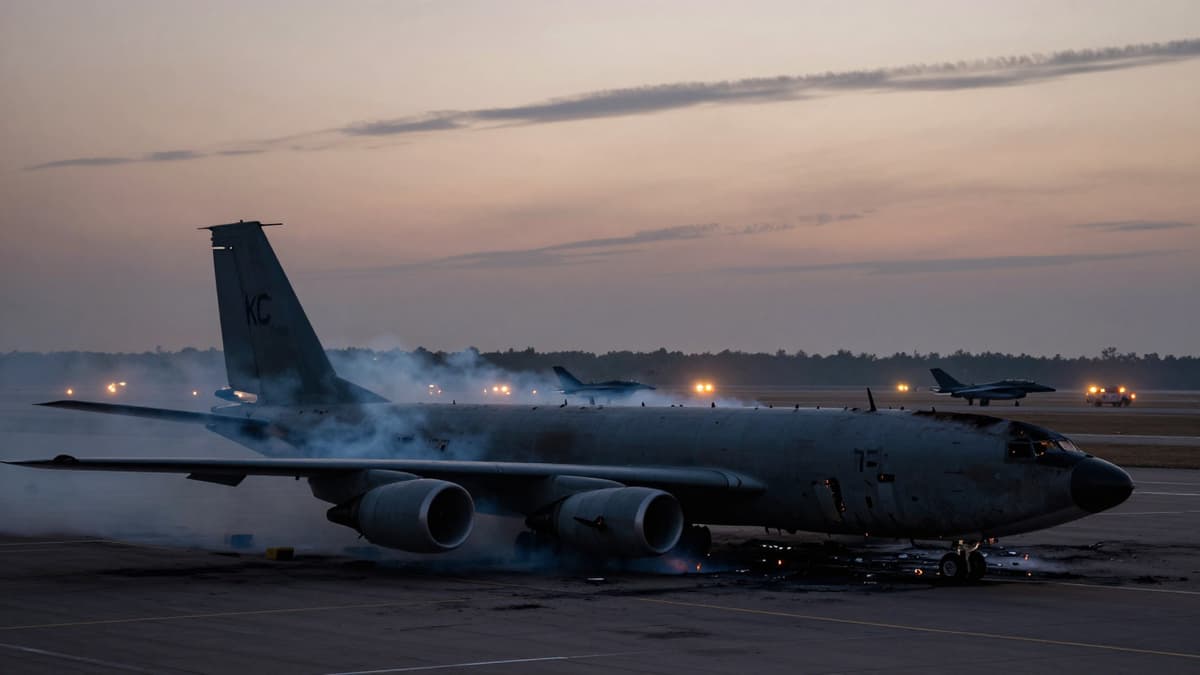
A devastating attack on a key Saudi facility marks a critical escalation, injuring dozens of American service members and challenging US air defense capabilities across the region.
A late Friday attack on Prince Sultan Air Base in Saudi Arabia resulted in at least 12 US troops wounded, with two of them seriously injured. The strike, described as a combined missile and drone assault, marks a significant breach in American air defenses since the conflict began on February 28. According to a US official speaking to Reuters, this latest incident brings the total number of US troops wounded in the ongoing hostilities to over 300. The attack targeted critical infrastructure, causing destruction to aircraft vital for regional operations and demonstrating the intensity of the retaliatory campaign launched by Iranian forces.
The assault on the airbase, identified as one of the most serious breaches of air defenses since the war started, involved a coordinated effort utilizing ballistic missiles and drones. US officials told The New York Times that at least two KC-135 aerial refueling planes suffered significant damage during the event. These aircraft are critical for sustaining long-range operations, and their destruction highlights the vulnerability of US assets to the vast arsenal of weapons deployed by Iran. The conflict has seen a shift in tactics, with Iranian forces aiming to disrupt the American bombing campaign through relentless attacks across the Middle East.
While US and allied air defense systems have intercepted the majority of Iranian strikes, the use of inexpensive, disposable weapons like Shahed drones has occasionally overwhelmed defensive networks. This strategy of attrition has led to a steady accumulation of casualties and damage. Earlier in the conflict, a drone strike at Shuaiba port in Kuwait killed six US Army reservists, and another service member was killed at Prince Sultan on March 1. The current escalation suggests a coordinated effort to inflict maximum disruption and physical harm on US personnel and equipment.
The human cost of the war continues to rise, with thirteen American troops having been killed so far since the onset of hostilities. In addition to the fatal injuries, nearly 225 of the wounded US service members have suffered traumatic brain injuries resulting from missile blasts. Despite the severity of these injuries, the resilience of the medical response is evident, as all but around 35 of the injured have already returned to duty. This rapid return to service underscores the high operational tempo required of the military in this theater of conflict.
In response to the increasing threat level, US Central Command has been forced to take drastic measures, relocating thousands of troops to safer locations. Some of these personnel have been moved as far away as Europe, indicating a significant strategic shift to preserve force capabilities against the barrage of attacks. The need to disperse forces suggests that the current defensive posture, while largely effective against larger missiles, struggles against the saturation tactics employed by low-cost drones.
The broader geopolitical impact of these attacks is reflected in the casualty figures reported across the region. Reports indicate more than 1,492 deaths in Iran, over 1,110 in Lebanon, more than 50 in Gulf countries, and at least 16 in Israeli attacks. The targeting of US bases in Saudi Arabia, a key ally, signifies a direct confrontation that challenges the security umbrella the US provides in the region. The attack on Prince Sultan Air Base is not an isolated incident but part of a sustained campaign to pressure American military assets.
The ongoing assault on Prince Sultan Air Base and the wider US military infrastructure indicates a prolonged phase of the conflict where defensive capabilities are being tested against evolving threats. With the total number of US troops wounded now exceeding 300 and significant equipment damage reported, the strategic outlook suggests continued instability. The relocation of thousands of troops to distant locations, including Europe, signals that US Central Command is prioritizing force preservation over forward deployment in the face of an overwhelming drone and missile threat. As the conflict progresses, the reliance on disposable weapons by attacking forces may continue to strain allied defensive networks, potentially leading to further recalibrations in US military strategy and deployment patterns in the Middle East. The high rate of traumatic brain injuries among the wounded also points to long-term health challenges for service members, necessitating sustained medical resources and recovery programs even as personnel return to duty.
Jun 8, 2026 00:51 UTC
Trump Claims Iran Nuclear Deal Imminent Despite Diplomatic Fractures
Jun 8, 2026 00:47 UTC
Iran Fires Missiles at Israel After Beirut Strike
Jun 7, 2026 22:00 UTC
US, Iran Peace Hops Fade 100 Days Into War
Jun 7, 2026 20:57 UTC
Iran Strikes Israel: IRGC Promises Week of Continuous Offensive
Jun 8, 2026 02:28 UTC
Trump Walks Out of Meet the Press After Rejecting Evidence Demands


