Iran's Revolutionary Guards threaten to strike U.S. tech giants like Apple and Google if further assassinations occur, signaling escalating tensions.
The Iran Revolutionary Guards have declared they will target major U.S. technology companies if Iranian leaders continue to face targeted assassinations. This warning marks a critical escalation in the ongoing conflict, directly linking the safety of American corporate giants to the geopolitical calculus of military operations.
On Tuesday, March 31, 2026, the stakes of the U.S.-Israel-Iran war rose significantly as Iranian officials issued specific threats against Silicon Valley behemoths including Apple, Google, and Meta. The declaration comes in response to recent killings of Iranian leadership, signaling that the conflict is no longer confined to traditional military targets but may extend into the digital economic sphere. Simultaneously, U.S. President Donald Trump stated that the "hard part" of the war against Iran was concluded, though Pentagon chief Pete Hegseth noted that negotiations to end the conflict were still in progress. This contradictory tone highlights the complex nature of a month-long joint military campaign that persists despite claims of tactical breakthroughs.
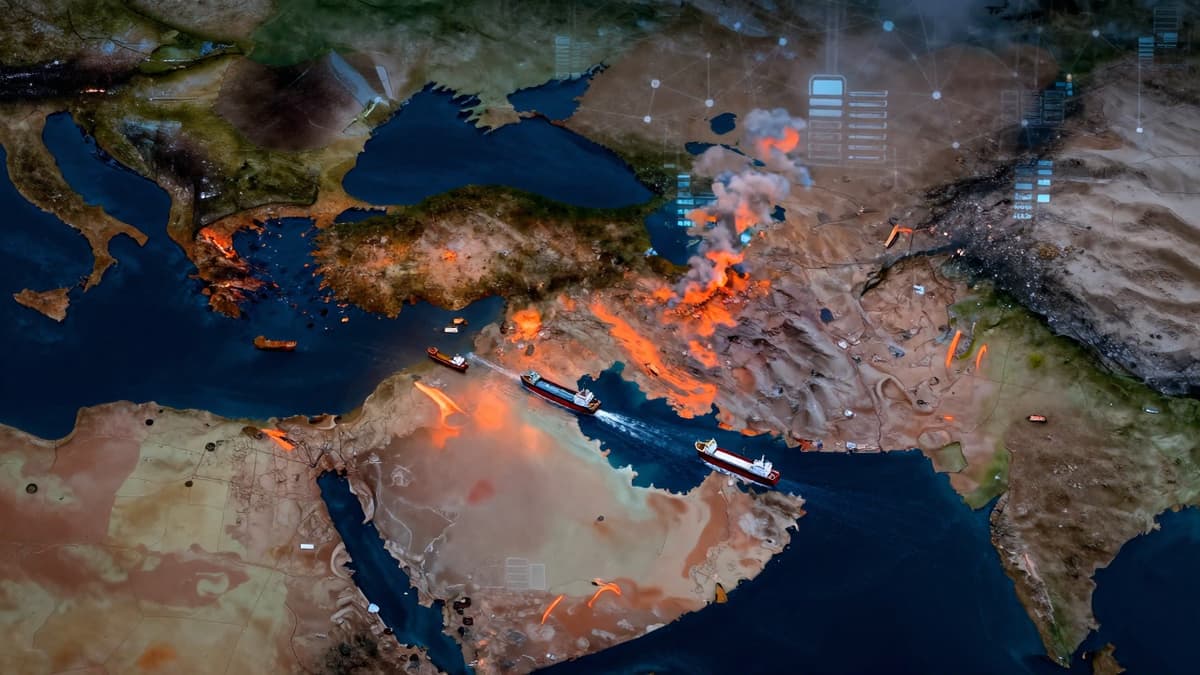
Amidst this backdrop of rising hostilities, diplomatic efforts are intensifying to secure a resolution. China and Pakistan jointly submitted a comprehensive five-point peace proposal on Tuesday, aiming to halt the violence in West Asia. This diplomatic initiative explicitly calls for the safe passage of ships through the strategically vital Strait of Hormuz, a crucial waterway for global energy supplies. The proposal outlines a framework for immediate cessation of hostilities, the rapid initiation of peace talks, and the protection of non-military targets and navigation routes. Furthermore, the document emphasizes safeguarding the primacy of the UN Charter, suggesting a return to multilateral frameworks for conflict resolution.
The situation remains fluid, with conflicting narratives emerging from the involved parties. Iran has officially denied reports suggesting active negotiations are currently underway. Instead, Tehran claims to have received a proposal from Washington which they have deemed unacceptable, prompting them to issue their own counter-proposal. This diplomatic stalemate occurs as the month-long military campaign by the United States and Israel continues, creating a precarious environment where military action and diplomatic overtures happen simultaneously.
President Trump's assertion that the difficult phase of the war is over contrasts with the reality of the ongoing military operations. While the U.S. President encouraged other nations affected by the closure of the Strait of Hormuz to purchase oil from America or attempt to navigate the strait themselves, the Pentagon chief indicated that talks to end the war are making progress. This dichotomy between the perceived timeline of conflict resolution and the actual duration of the military campaign underscores the complexity of the situation. The Pentagon's optimism regarding talks stands in tension with the Iranian Guards' threat to expand the conflict's scope to civilian and technological infrastructure.
The potential targeting of major U.S. technology firms represents a significant shift in the nature of this regional conflict. By explicitly naming Apple, Google, and Meta, the Revolutionary Guards are threatening economic and digital disruption that could have global ripple effects. This move suggests a willingness to broaden the battlefield beyond traditional military engagements, potentially impacting global supply chains and digital infrastructure. The threat serves as a stark reminder of the interconnectedness of the modern world, where geopolitical disputes can rapidly spill over into the economic sector.
The diplomatic landscape shifted on Tuesday as China and Pakistan introduced a March 31 2026 peace proposal designed to de-escalate the conflict. While Iran dismissed U.S. initiatives as unacceptable, the joint proposal from Beijing and Islamabad offers a structured path toward stability, prioritizing the safety of maritime routes and non-military assets. If these proposals gain traction, they could force a de-escalation of the current month-long campaign, potentially saving lives and preventing further damage to global trade infrastructure. However, the continued issuance of threats by the Revolutionary Guards suggests that unless a mutually acceptable diplomatic framework is established quickly, the conflict could expand into new domains, posing severe risks to international security and economic stability. The failure to reconcile the U.S. stance on the Strait of Hormuz with Iranian demands for leader protection may lead to prolonged instability, forcing nations to choose between securing their energy supplies or navigating the escalating digital threats posed by the region's military posture.
Jun 8, 2026 02:17 UTC
Magnitude 7.8 Quake Shakes Philippines, Urging Immediate Evacuations
Jun 8, 2026 00:51 UTC
Trump Claims Iran Nuclear Deal Imminent Despite Diplomatic Fractures
Jun 8, 2026 00:47 UTC
Iran Fires Missiles at Israel After Beirut Strike
Jun 7, 2026 22:00 UTC
US, Iran Peace Hops Fade 100 Days Into War
Jun 8, 2026 04:15 UTC
Trump Urges Netanyahu to Halt Iran Strike for Peace


