Iran officially cancels a second round of peace negotiations with the US, blaming Washington's blockade for the collapse, as fresh maritime clashes spike regional instability.
Iran has officially rejected participation in a second round of peace talks with the United States, marking a sharp escalation in diplomatic relations. This decision comes as tensions rise following renewed naval confrontations in the region. IRNA, Iran's official news agency, stated clearly that there are no plans for further negotiations at this stage. The Iranian government attributes this breakdown to Washington's excessive demands and what it describes as shifting positions and constant contradictions.
The breakdown of diplomatic efforts was driven by a specific grievance regarding maritime restrictions. Tehran argues that the ongoing naval blockade is the central barrier preventing any fruitful dialogue. Iranian state media dismissed reports of an imminent second round of talks in Islamabad as false, labeling them a "media game" designed to pressure Tehran.
The diplomatic standoff has been fueled by a series of maritime incidents that have strained relations further. Iranian state outlets report that the US naval blockade of Iranian ports remains a critical sticking point. Tehran argues that these restrictions amount to collective punishment and have rendered the atmosphere surrounding the talks "not positive." The Iranian ambassador to Pakistan, Reza Amiri Moghadam, was particularly direct in his condemnation of the US approach. He accused Washington of undermining diplomacy through coercive measures, stating that one cannot violate international law and threaten war crimes while pretending to pursue peace.
The ambassador emphasized that as long as the Iranian naval blockade remains in place, the faultlines in the relationship will persist. He highlighted that the US continues to insist on unreasonable demands while simultaneously violating international norms. This sentiment was echoed by state broadcaster IRIB, which confirmed that Iran currently has no intention of attending further talks. Other media outlets, including Fars and Tasnim, cited officials who declared that the overall atmosphere is not conducive to negotiations unless restrictions on Iran are lifted.
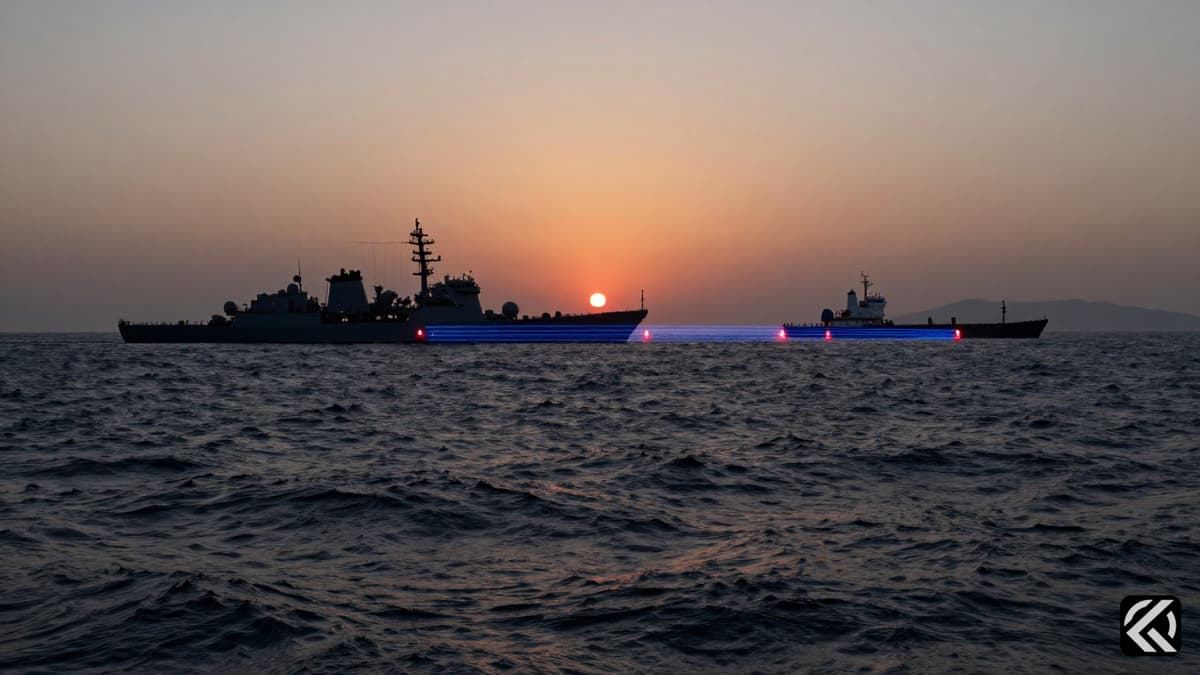
The context for this rejection is a backdrop of rising maritime tensions in the Strait of Hormuz, a critical global energy corridor. Tensions were further inflamed after reports emerged that a US warship intercepted and damaged an Iranian-flagged cargo vessel. The ship was reportedly attempting to evade inspection. Washington claimed the vessel was under sanctions, while Iran condemned the incident as "armed piracy" and issued warnings of retaliation.
Iran has dismissed reports of an imminent second round of talks in Islamabad as false, labeling them a "media game" designed to pressure Tehran. This rejection signals a hardening of Iran's position, which views the current conditions as incompatible with productive dialogue. The atmosphere surrounding the talks cannot be considered positive, according to Tehran, and there is no clear prospect of fruitful negotiations under the current constraints.
The rejection of the second round of talks has immediate and tangible consequences for global markets. The standoff has rattled energy markets, with oil prices rising sharply. Investors and analysts are reacting with fear to the potential for further disruption in the Strait of Hormuz tensions. This waterway carries a significant share of global crude shipments, making any threat to its security a major economic concern.
The US seizure of the Iranian cargo vessel added a new layer of complexity to the Iran US peace talks. While Washington maintained the ship was under sanctions, the incident was viewed by Tehran as a direct attack and an act of piracy. This specific event, combined with the broader accusations of a naval blockade, has created a volatile environment where diplomacy is currently impossible. The Iranian position remains firm: without the lifting of restrictions and the end of what they call collective punishment, no negotiations can proceed.
The diplomatic breakdown underscores the severity of the current crisis. With no clear path forward and continued accusations of war crimes and international law violations from both sides, the region faces a prolonged period of instability. The failure to secure a second round of talks in Islamabad suggests that the gap between the two nations has widened significantly. As long as the blockade continues, the potential for further escalation remains high, threatening both regional security and global energy supplies.
Iran Rejects Talks Amid Escalating Maritime Blockade
The immediate future of the region now hinges on whether the Iranian naval blockade can be addressed or if it will deepen the current stalemate. Given the firm stance from Tehran regarding the blockade as a central obstruction and the US insistence on sanctions, the likelihood of a quick diplomatic breakthrough appears low. If the current pattern of intercepting ships and issuing threats continues, the risk of further incidents in the Strait of Hormuz remains significant. The sharp rise in oil prices indicates that the market is already pricing in the potential for prolonged disruption. Without a de-escalation of coercive measures or a clear compromise on the blockade, the cycle of tension and retaliation is expected to continue, potentially leading to even more severe confrontations in the near future.
Jun 8, 2026 06:22 UTC
Xi Jinping Lands in Pyongyang for Rare Kim Jong Un Meeting
Jun 8, 2026 04:15 UTC
Trump Urges Netanyahu to Halt Iran Strike for Peace
Jun 8, 2026 02:17 UTC
Magnitude 7.8 Quake Shakes Philippines, Urging Immediate Evacuations
Jun 8, 2026 00:51 UTC
Trump Claims Iran Nuclear Deal Imminent Despite Diplomatic Fractures
Jun 8, 2026 10:44 UTC
INDIA Bloc Leaders Gather in Delhi Amidst Internal Tensions


