Tensions surge as Iran officially rejects new negotiations with Washington, blaming US coercive measures and a persistent naval blockade for the diplomatic deadlock.
Iran has officially rejected participation in a second round of peace talks with the United States, a move that sharply escalates regional tensions. This diplomatic rupture follows renewed naval confrontations in the Middle East, creating an atmosphere where future negotiations appear impossible. The rejection marks a significant setback in ongoing diplomatic efforts, as Tehran blames Washington for what it describes as excessive demands and shifting positions.
The official stance was first conveyed through Iran's state news agency, IRNA, which reported there are "no plans" for further negotiations at this stage. Tehran attributed this decision to what it termed "constant contradictions" from the US, alongside a description of "excessive demands" that make dialogue unfeasible. The agency also pointed to an ongoing naval blockade and recent maritime incidents as the primary barriers preventing any meaningful diplomatic progress. In a statement carried by Iranian media, Tehran noted that the current atmosphere surrounding potential talks "cannot be considered positive," adding that there was "no clear prospect of fruitful negotiations" under these specific conditions.
Iran US peace talks have effectively stalled, with IRNA explicitly dismissing reports of an imminent second round of discussions in Islamabad as "not true." The Iranian official news agency characterized these unconfirmed reports as part of a "media game" and a pressure campaign orchestrated by the United States, rather than genuine diplomatic initiatives. This skepticism highlights the deep mistrust that currently defines the relationship between the two nations.
Iranian Ambassador to Pakistan, Reza Amiri Moghadam, provided a more direct assessment of the situation, accusing Washington of undermining diplomacy through coercive measures. "You cannot keep violating international law, double down on your blockade, threaten Iran with further war crimes, insist on unreasonable demands, and pretend to be pursuing diplomacy," Moghadam stated. He emphasized that "as long as the naval blockade remains, faultlines remain," indicating that the physical imposition of a blockade is the root cause of the diplomatic failure. The ambassador's comments underscore the belief that the US approach contradicts the very principles of international law that should govern such interactions.
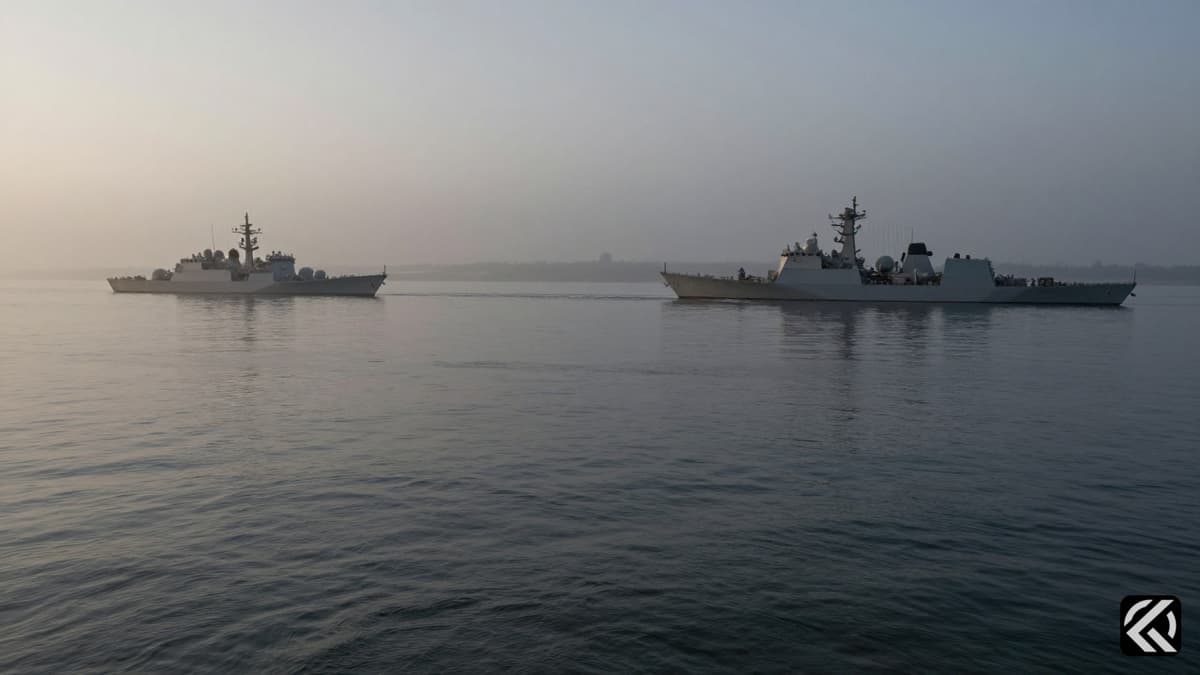
The diplomatic breakdown occurs against a backdrop of rising maritime tensions in the Strait of Hormuz, a critical global energy corridor. Iranian state outlets identified the US naval blockade of Iranian ports as a central sticking point, with Tehran arguing that these measures amount to collective punishment. The situation escalated significantly after reports emerged that a US warship intercepted and damaged an Iranian-flagged cargo vessel. This vessel was reportedly attempting to evade inspection, a claim Washington countered by stating the ship was already under sanctions. Iran condemned the incident as "armed piracy" and issued warnings of retaliation, further intensifying the Strait of Hormuz tensions.
State broadcaster IRIB reiterated that Iran currently has no plans to attend further talks, while other media outlets, including Fars and Tasnim, cited officials stating that the "overall atmosphere" was not conducive to negotiations. These officials emphasized that restrictions on Iran must be lifted before any meaningful dialogue can resume. The standoff has had immediate economic consequences, rattling energy markets with oil prices rising sharply. This economic volatility is driven by growing fears of further disruption in the Strait of Hormuz, a waterway that carries a significant share of global crude shipments.
The current trajectory of events suggests that without a resolution to the Iranian naval blockade, diplomatic channels will remain closed. The escalation following the seizure of the cargo vessel indicates a shift from verbal sparring to physical confrontation. With oil prices already reacting to fears of disruption, the economic stakes of a prolonged conflict are high. The diplomatic position taken by Tehran, which frames the blockade as a violation of international law, implies that Washington's coercive measures will not be tolerated. Unless the US lifts the blockade and addresses the "constant contradictions" cited by Tehran, the region faces a continued risk of further maritime incidents and potential retaliation, solidifying the current deadlock in Iran US peace talks.
Jun 8, 2026 00:51 UTC
Trump Claims Iran Nuclear Deal Imminent Despite Diplomatic Fractures
Jun 8, 2026 00:47 UTC
Iran Fires Missiles at Israel After Beirut Strike
Jun 7, 2026 22:00 UTC
US, Iran Peace Hops Fade 100 Days Into War
Jun 7, 2026 20:57 UTC
Iran Strikes Israel: IRGC Promises Week of Continuous Offensive
Jun 8, 2026 02:28 UTC
Trump Walks Out of Meet the Press After Rejecting Evidence Demands


