Following reported aerial attacks on Iranian higher education facilities, Iran's military forces have issued a stark ultimatum, threatening immediate action against American academic campuses in the region unless demands are met.
Iran's Revolutionary Guard issued a severe warning on Sunday, March 29, 2026, declaring an intention to target U.S. universities in West Asia. This escalation follows reports that recent aerial bombardments destroyed two Iranian universities. The military body stated that the only way to prevent further attacks on American academic facilities is for the U.S. government to issue an official condemnation of the bombings by a strict deadline. This ultimatum marks a critical turning point in the escalating tension, potentially placing students and faculty in immediate danger.
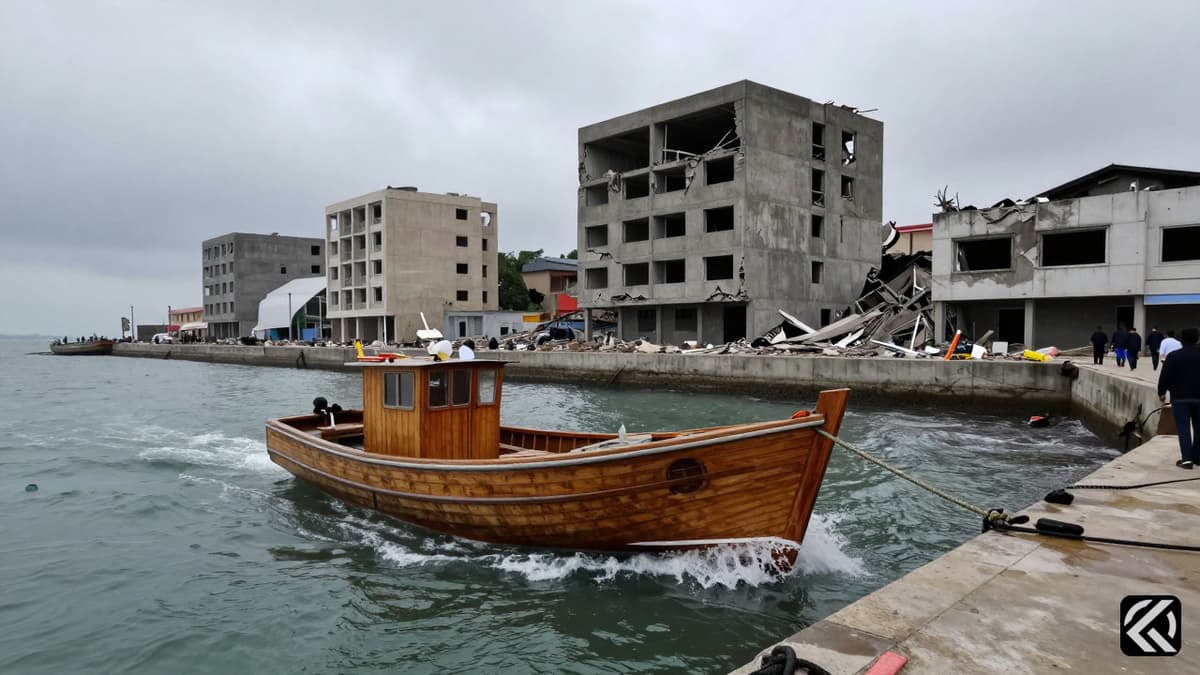
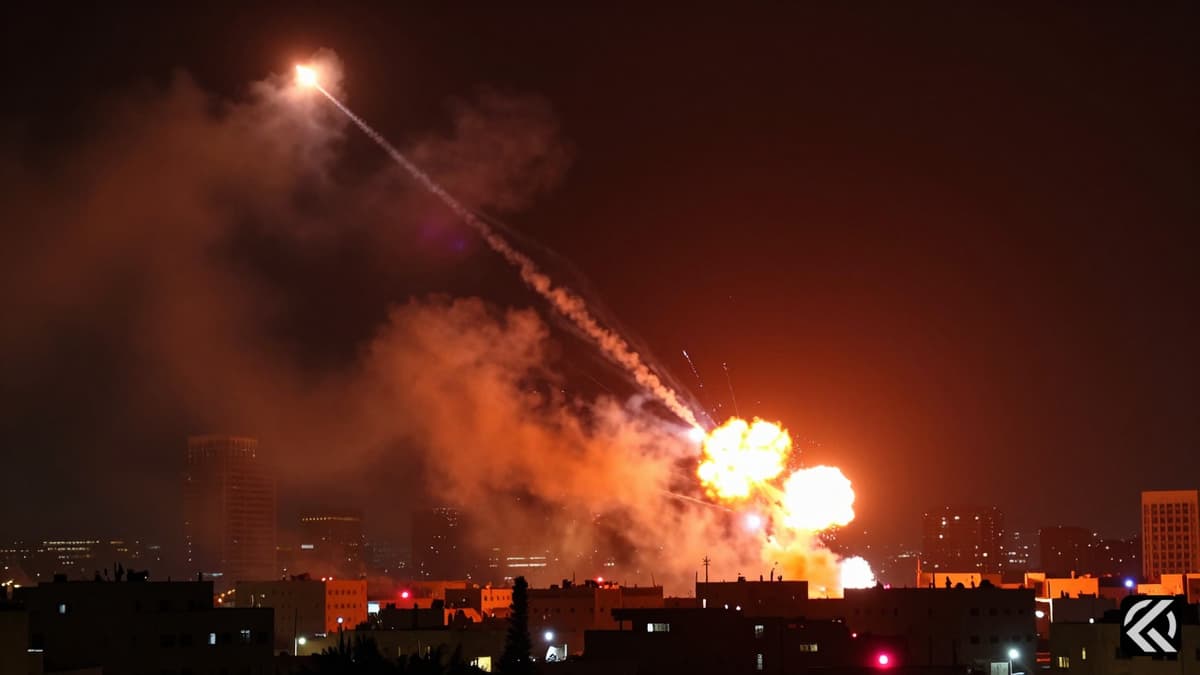
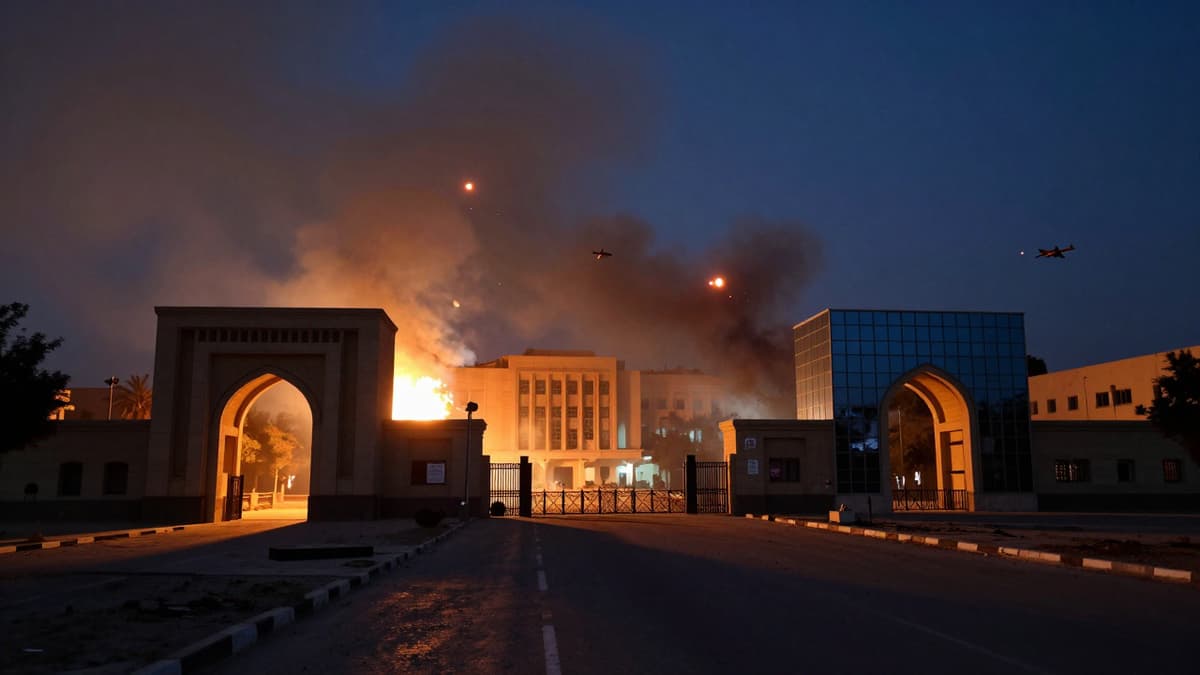
The situation was triggered by overnight U.S.-Israeli strikes on Iranian universities that began on Friday and extended into Saturday. According to media reports, these attacks specifically hit the capital city of Tehran, with the University of Science and Technology in the northeast of the city sustaining significant damage to its buildings. While the reports confirm structural destruction, they also note that no casualties were reported among the staff or students present during the initial strikes. Despite the lack of immediate human loss, the strategic targeting of educational infrastructure has prompted a harsh response from the region's military leadership, setting the stage for a potential confrontation involving foreign nationals.
In a statement published by Iranian media on Sunday, the Iranian Revolutionary Guard outlined the conditions for de-escalation. The military force explicitly stated that if the U.S. government desires its academic institutions in the region to remain free from retaliation, a specific diplomatic action is required immediately. The ultimatum demands that the United States condemn the bombing of Iranian universities in an official statement no later than 12 noon on Monday, March 30, according to Tehran time. This tight deadline underscores the urgency and severity with which the Iranian leadership views the attacks on their educational facilities, framing them as a violation requiring immediate public rebuke to prevent further hostilities.
The statement from the Revolutionary Guard went beyond diplomatic demands, issuing a direct advisory to the individuals physically located on these campuses. The military organization advised all employees, professors, and students attending American universities in the region, as well as residents living in their immediate vicinity, to evacuate the area. Specifically, the directive instructed these groups to stay at least one kilometer away from the university campuses. This safety advisory effectively signals that the Guards are preparing to carry out the threat of retaliation against these specific locations if the U.S. government fails to meet the requirement of issuing a condemnation statement.
Several prominent American higher education institutions maintain a physical presence in the Gulf region, making the threat particularly relevant to the global academic community. These include Texas A&M University, which operates a campus in Qatar, and New York University, which has a significant campus in the United Arab Emirates. The presence of these institutions means that the potential impact of the threatened retaliation extends across multiple sovereign states in the Middle East, not just within the borders of Iran itself. The geographic spread of these campuses complicates the diplomatic landscape, as the U.S. government must consider how a statement condemning the attacks in Tehran might be perceived by other allies in the region while managing the safety of its own citizens abroad.
The timeline of events suggests a rapid escalation of hostilities. The strikes occurred overnight from Friday to Saturday, and the Iranian response was issued on Sunday. This rapid turnaround indicates a high level of alertness and a readiness to engage in retaliatory measures within a very short window. The specific targeting of the University of Science and Technology in the northeast of the capital highlights a strategic focus on educational and technological centers. The fact that the buildings were damaged but no casualties were reported may suggest a calculated approach by the attackers to signal capability without causing mass loss of life, yet the Iranian response treats the structural damage as a provocation requiring a severe reaction.
The standoff centers on the perceived legitimacy of attacking educational institutions. The Iranian leadership's demand for a formal U.S. statement suggests that the diplomatic cost of inaction outweighs the immediate risks of military retaliation. If the U.S. fails to issue the required condemnation by the Monday noon deadline, the threat of attacks on U.S. universities in West Asia becomes a tangible reality. The advisory to stay one kilometer away from campuses serves as both a warning and a logistical preparation for the military, potentially clearing the area of non-combatants or marking the boundaries of the intended strike zone. The situation remains volatile, with the safety of thousands of students and faculty members hanging in the balance of a 24-hour diplomatic window. The involvement of the Revolutionary Guard in issuing this specific warning signals a coordinated military effort rather than a localized police action, indicating that the broader geopolitical conflict between these nations has now directly implicated academic infrastructure in the Gulf region.
Jun 8, 2026 00:51 UTC
Trump Claims Iran Nuclear Deal Imminent Despite Diplomatic Fractures
Jun 8, 2026 00:47 UTC
Iran Fires Missiles at Israel After Beirut Strike
Jun 7, 2026 22:00 UTC
US, Iran Peace Hops Fade 100 Days Into War
Jun 7, 2026 20:57 UTC
Iran Strikes Israel: IRGC Promises Week of Continuous Offensive
Jun 8, 2026 02:28 UTC
Trump Walks Out of Meet the Press After Rejecting Evidence Demands