Escalating tensions see Iran claim a second U.S. jet downed in the Gulf while Israel destroys bridges in Lebanon, threatening vital oil routes.
Iranian state media reported Friday that its air defense system targeted an enemy A-10 aircraft in southern waters near the Hormuz Strait, a claim supported by the U.S.-Iran war narrative of escalating hostilities. Tehran has since urged residents in the rugged southwest to search for the pilot of the downed U.S. fighter jet, broadcasting images of the mangled wreckage on state television. This development marks a significant escalation as U.S. President Donald Trump confirmed the incident, stating it would not impact ongoing negotiations to end the month-long conflict. Simultaneously, the Israel-Iran conflict has widened with Israeli airstrikes targeting infrastructure in Tehran and destroying bridges in eastern Lebanon to prevent military reinforcements from reaching Hezbollah.
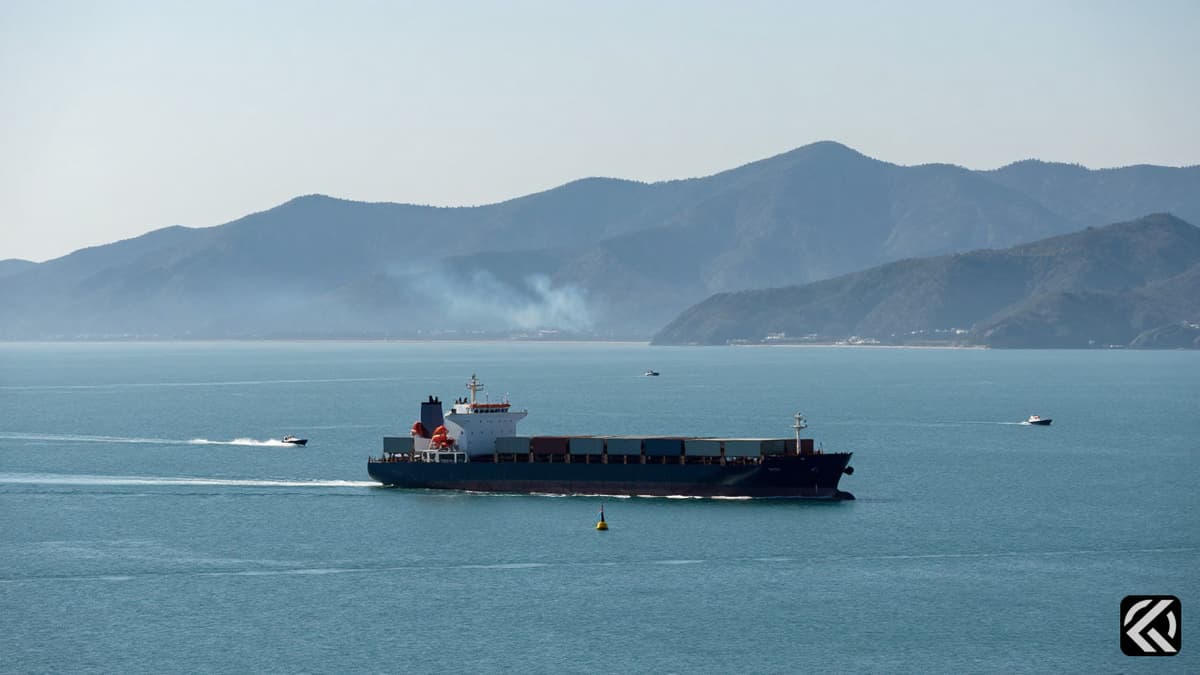
The immediate aftermath saw the U.S. military initiating a search and rescue operation for the pilot, assisted by Israeli forces, though officials spoke on condition of anonymity to discuss the sensitivity of the ongoing military operations. White House press secretary Karoline Leavitt confirmed President Trump was briefed but offered no further details. In Beirut, the U.S. Embassy issued a security alert warning that Iran and its aligned groups may target universities, urging citizens to depart while commercial flights remain available. The strategic pressure has extended to the global economy, as Iran has effectively blocked the vital Strait of Hormuz since the war began, yet maritime tracking data confirmed that vessels, including a French-owned ship and a Japanese-owned vessel, managed to cross the waterway on Thursday.
The destruction of critical infrastructure has become a central theme of the current hostilities. Lebanese official media reported that Israeli warplanes targeted and destroyed a bridge linking Sohmor with Mashghara. This strike followed a warning from Israel’s military that it intended to hit two bridges in the area to prevent the transfer of reinforcements and military equipment. The military published a map identifying the Sohmor and Mashghara bridges, located within 100 meters of each other, as specific targets for the operation. In Lebanon, the Israeli military spokesman Colonel Avichay Adraee urged residents in the Bekaa region to evacuate north of the Zahrani River to ensure their safety, citing the danger of further strikes.
Economic repercussions are already being felt in the Gulf region. In Kuwait, government officials stated that an Iranian attack damaged a desalination plant, a critical component for the region's water supply. The attack on the plant followed a drone strike on an oil refinery earlier in the day, causing material damage to the plant's components. Additionally, at least 12 people were injured in the emirate of Abu Dhabi due to falling debris from an intercepted attack, with reports confirming casualties among Nepali and Indian nationals. The U.S. Embassy in Beirut further highlighted the instability by warning that universities in Lebanon might be targeted, prompting a call for U.S. citizens to leave the country immediately.
The conflict has also disrupted daily life and religious observances in the United Arab Emirates. Two Catholic churches in Dubai announced the cancellation of all masses, including Easter services, due to government directives prioritizing safety. St Francis of Assisi Church and St Mary's Catholic Church requested that parishioners refrain from visiting premises, with Good Friday's mass being live-streamed online instead. The uncertainty has also affected high-level political strategies, with Ukrainian President Volodymyr Zelensky publicly offering Ukraine's expertise in unblocking the Strait of Hormuz, drawing parallels to their experience in restoring the Black Sea passage against Russian blockades.
U.S. President Donald Trump has maintained a stance of potential escalation if negotiations fail. He stated that the United States could "open" the Strait of Hormuz and "take the oil" if given more time, suggesting a willingness to intervene more aggressively in the region. Despite the downing of a second combat plane, Trump insisted the incident would not affect negotiations over ending the conflict. Meanwhile, Israeli Prime Minister Benjamin Netanyahu claimed in a video statement that Israeli strikes have destroyed approximately 70% of Iran's steel production capacity, hindering the enemy's ability to manufacture weapons. He asserted that together with American allies, they are eliminating commanders and bombing infrastructure.
The convergence of military strikes on Iranian steel capacity, the targeting of critical infrastructure in Lebanon, and the physical downing of U.S. aircraft signals a deepening of the crisis that is destabilizing the region and unsettling global financial markets. With Russian President Vladimir Putin spending significant time addressing the escalating Middle East crisis, the international community faces mounting pressure to intervene. The disruption to the Strait of Hormuz and damage to Kuwaiti desalination plants threatens long-term supply chains and humanitarian stability. If the current trajectory of strikes and counter-measures continues, the potential for a wider Israel-Iran conflict involving further escalation into the U.S.-Iran war remains a critical concern for global security and energy markets.
Jun 8, 2026 00:51 UTC
Trump Claims Iran Nuclear Deal Imminent Despite Diplomatic Fractures
Jun 8, 2026 00:47 UTC
Iran Fires Missiles at Israel After Beirut Strike
Jun 7, 2026 22:00 UTC
US, Iran Peace Hops Fade 100 Days Into War
Jun 7, 2026 20:57 UTC
Iran Strikes Israel: IRGC Promises Week of Continuous Offensive
Jun 8, 2026 02:28 UTC
Trump Walks Out of Meet the Press After Rejecting Evidence Demands


