Despite weeks of relentless US and Israeli strikes, intelligence reveals Iran keeps significant missile and drone capabilities, challenging official victory claims.
Recent US intelligence assessments reveal a starkly different reality from public claims, indicating that roughly half of Iran's Iran missile launchers remain intact despite five weeks of relentless daily strikes by US and Israeli forces. Three sources familiar with the classified intelligence provided to CNN detailed that thousands of one-way attack drones remain in the country's Iranian drone arsenal, poised to potentially disrupt the entire region. This nuanced picture contradicts sweeping public assertions of military victory and complete degradation of Iranian capabilities, highlighting a significant gap between field reports and on-the-ground assessments.
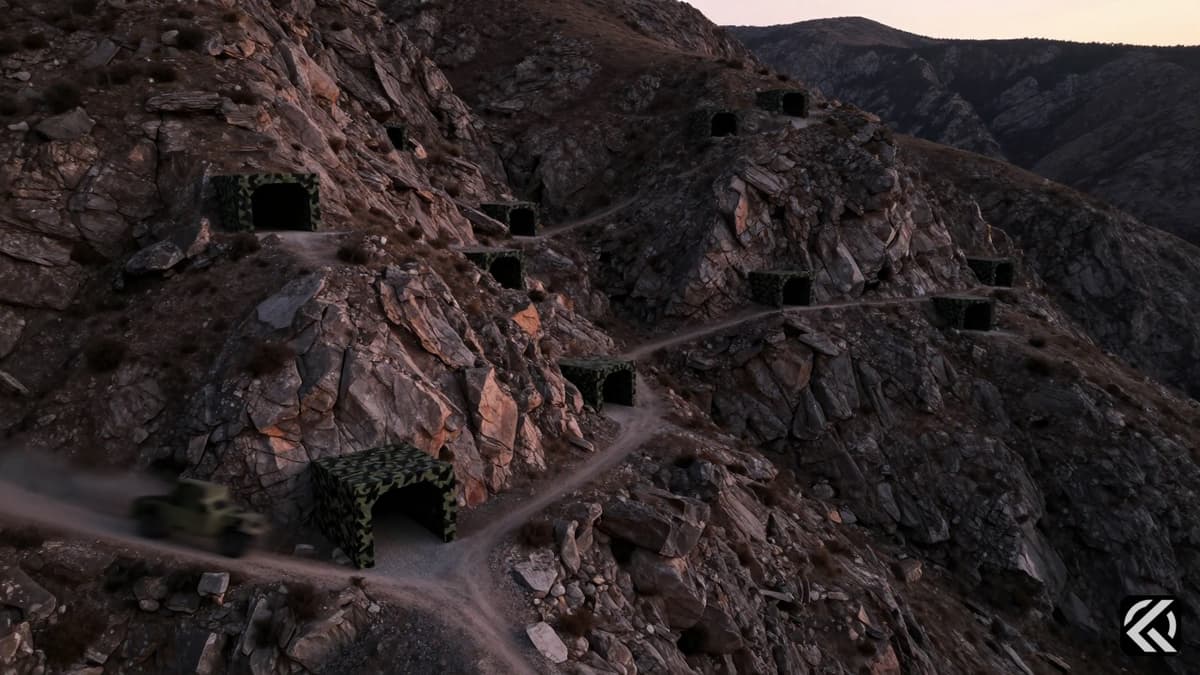
The sources stated that the intelligence, compiled in recent days, suggests Iran maintains a substantial ability to "wreak absolute havoc" across the Middle East. While the US and Israel have struck more than 12,300 targets inside Iran as of Wednesday, the assessment indicates that many of the country's military assets have not been destroyed but have instead been rendered inaccessible. This includes launchers buried deep underground or concealed within extensive tunnel networks and caves, a strategy Iran has prepared for over decades. The intelligence shows that key senior leaders, including Supreme Leader Ali Khamenei and Ali Larijani, have been killed, yet the kinetic capacity of the regime remains formidable.
President Donald Trump and administration officials have publicly argued that Iran's ability to launch missiles and drones is "dramatically curtailed" and that their factories are being destroyed. In a statement to the nation, Trump claimed very few launchers remain. However, Pentagon officials and the White House have emphasized a reduction in the number of attacks rather than the destruction of the assets. Secretary of Defense Pete Hegseth noted that ballistic missile and drone attacks against US forces have dropped by 90 percent, describing the navy as "wiped out" and two-thirds of production facilities as damaged. White House spokesperson Anna Kelly defended this stance, stating that anonymous sources are attempting to demean the military's work, while an administration official reiterated that missiles are being destroyed rapidly.
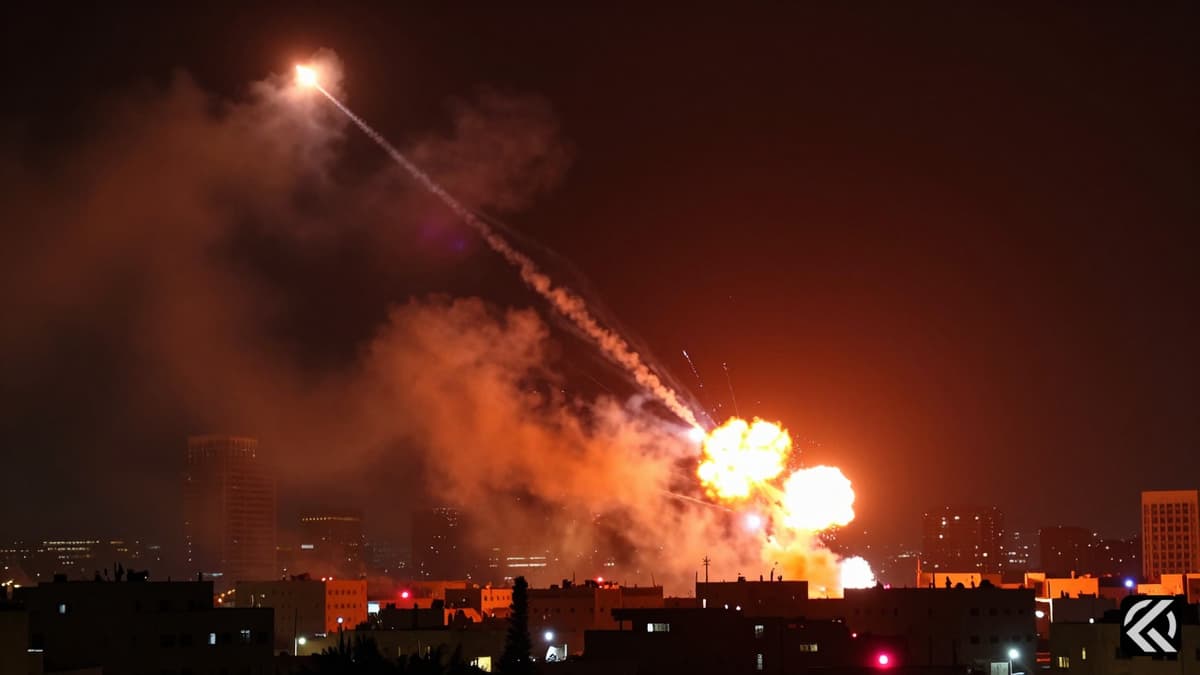
Israel, countries in the Gulf, and US military personnel continue to face regular barrages of missile and drone strikes, suggesting that the immediate threat has not fully dissipated. Pentagon spokesman Sean Parnell disputed CNN's reporting as "completely wrong," asserting that the US has delivered "crippling blows" and is far ahead of schedule in its objectives. Meanwhile, Israeli military officials offer a lower estimate of operational launchers, placing the number at roughly 20-25%, a figure that excludes launchers buried or made inaccessible. The discrepancy arises because the US assessment counts launchers that are currently inaccessible, whereas the Israeli count likely focuses only on immediately operational or exposed units.
The ability to retreat underground is identified as a primary reason why launchers have not been further degraded. The sources explained that Iran has successfully utilized its extensive networks of tunnels and caves to hide mobile platforms, making them difficult to track and destroy. This mirrors the challenges faced by the US with proxy forces in Yemen. While the US and Israel have increasingly targeted tunnel entrances and heavy equipment like bulldozers used to reopen them, the sheer scale of these facilities allows Iran to maintain a defensive posture. The intelligence suggests that the US military has not focused its air campaign on coastal military assets, allowing a large percentage of coastal defense cruise missiles to remain intact.
These coastal assets are critical because they allow Iran to threaten shipping traffic in the Strait of Hormuz. Although the US Navy claims more than 155 Iranian vessels have been damaged or destroyed, experts note it is unclear which specific navy is being referred to. The Islamic Revolutionary Guard Corps (IRGC) Navy, largely responsible for harassing shipping in the strait, is reported to retain roughly half of its capabilities. Sources indicate the IRGC still possesses "hundreds, if not thousands, of small boats and unmanned surface vessels." This residual naval power, combined with the intact coastal defense missiles, means the crucial waterway remains at risk.
Despite the President's timeline suggesting US operations could finish within two to three weeks, the first source to review the intelligence called this goal unrealistic. "You're out of your mind if you think this will be done in two weeks," the source stated, noting how much remains on the playing field for Iran to utilize. While Secretary Hegseth claimed that the last 24 hours saw the lowest number of enemy missiles fired and that the US would find them even if they went underground, the intelligence points to a continued capability to target allies. The US has also privately acknowledged it cannot promise to reopen the Strait of Hormuz before the war ends, further underscoring the persistence of these capabilities.
The persistence of coastal defense missiles and IRGC naval forces suggests that the threat to regional shipping and US allies will remain a central challenge in the immediate future. As long as the US military continues to prioritize air dominance and production facility destruction over the systematic neutralization of underground tunnel networks and hidden mobile assets, Iran's ability to disrupt the Strait of Hormuz will likely endure. Experts warn that without a strategic shift to address these concealed capabilities, the conflict may drag on longer than the administration anticipates, leaving the vital waterway in a state of persistent vulnerability despite the significant damage inflicted on other military sectors.
Jun 8, 2026 00:51 UTC
Trump Claims Iran Nuclear Deal Imminent Despite Diplomatic Fractures
Jun 8, 2026 00:47 UTC
Iran Fires Missiles at Israel After Beirut Strike
Jun 7, 2026 22:00 UTC
US, Iran Peace Hops Fade 100 Days Into War
Jun 7, 2026 20:57 UTC
Iran Strikes Israel: IRGC Promises Week of Continuous Offensive
Jun 8, 2026 02:28 UTC
Trump Walks Out of Meet the Press After Rejecting Evidence Demands