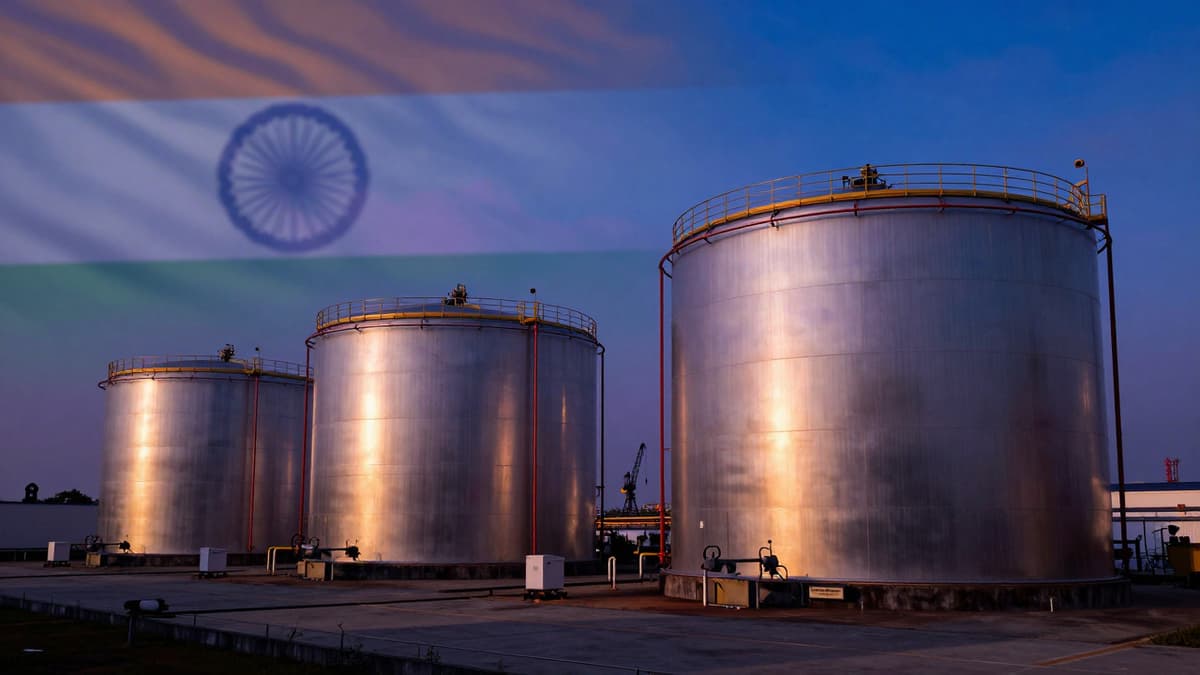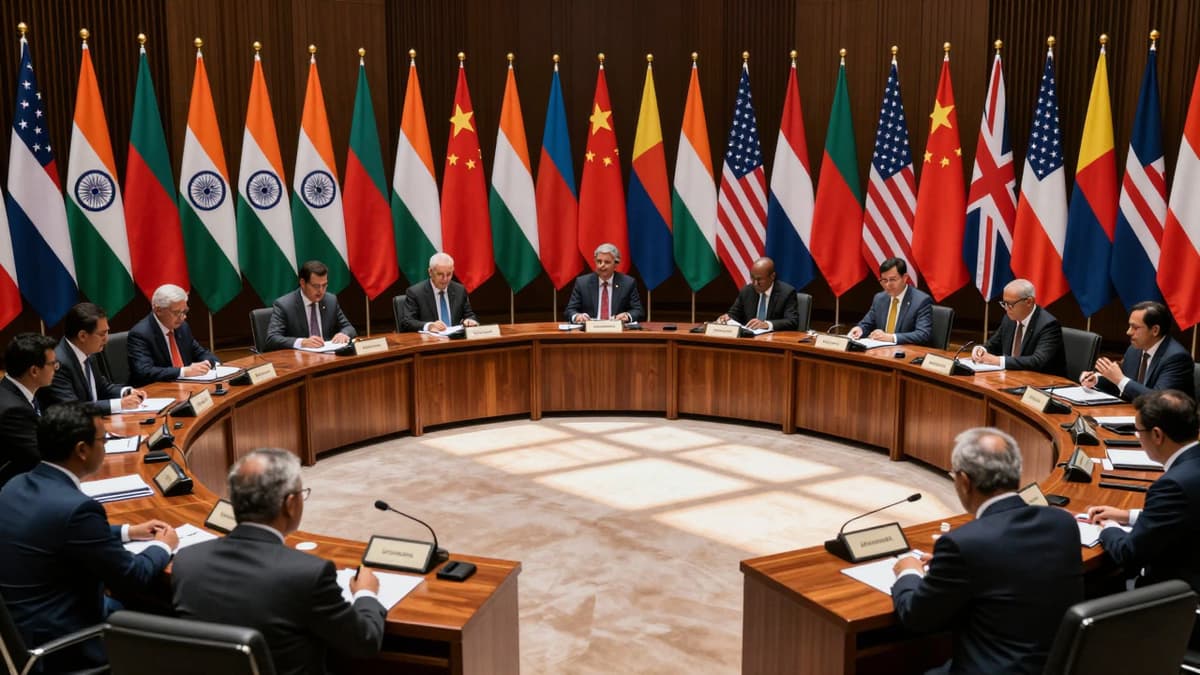
Amidst shifting alliances, India finds itself isolated at the WTO as it battles the China-backed proposal, with Turkey dropping its support to leave New Delhi to fight alone.
The WTO Ministerial Conference in Cameroon has reached its critical final 24 hours, marked by a dramatic shift in alliances. Piyush Goyal, India's Minister of Commerce and Industry, now finds his nation standing virtually alone in its steadfast opposition to the Investment Facilitation Agreement, a proposal heavily backed by China. This isolation occurred after Türkiye dropped its previous opposition, leaving India to defend the bloc against a deal that 130 of the 160 members have agreed to. The government argues this plurilateral agreement serves as a backdoor to legitimize a treaty without full membership clearance, posing long-term implications for global trade governance.
While the Investment Facilitation Agreement dominates the headlines, the negotiations involve a complex web of competing interests. A coalition of 66 countries, including major economies like the UK and Japan, simultaneously pushed for a separate plurilateral agreement on digital trade on Saturday. Simultaneously, negotiators led by Minister Goyal must navigate a strategic pivot by the US administration, which is attempting to secure a permanent moratorium on e-commerce duties. This US strategy, promising a package for least-developed countries in Africa, aims to prevent customs duties on digital downloads and streaming services. The Trump administration's approach highlights a paradox where a nation critical of the WTO simultaneously plays hardball tactics to reshape digital trade rules, a move that directly impacts India's revenue interests given its decades-long stance on digital taxation.
Despite the isolation on the specific investment issue, the geopolitical landscape within the conference hall is not entirely adversarial. In a significant strategic realignment, India, alongside the US, Russia, and Pakistan, has found common ground with Egypt and Paraguay. These nations are united in their pitch for a comprehensive reform of the 31-year-old multilateral body, specifically advocating for a reform plan rather than a mere work programme. This coalition suggests a growing frustration with the status quo of the organization's decision-making processes.
Minister Goyal's approach to the negotiations remains nuanced, balancing firm opposition with conditional support. On Saturday, India signaled its backing for the adoption of a draft decision regarding fisheries subsidies, but with a clear caveat. Goyal stated on social media platform X that while India supports the decision, "further decisions must deliver an equitable and development-oriented outcome that protects both marine resources and livelihoods." This statement underscores India's insistence that any agreement must prioritize the economic survival of developing nations and the sustainability of global marine ecosystems.
The context of these negotiations reveals a deep-seated historical strategy for India. For nearly 30 years, the country has utilized the potential imposition of duties on digital downloads and streaming as a critical bargaining chip at every meeting. The government recognizes that allowing customs duties in this sector is set to generate substantial revenue for India and other developing nations, while simultaneously placing developed economies like the US at a disadvantage. This long-standing tactic is now being tested as the US pushes for a permanent moratorium, a move that threatens to strip India of a key financial leverage point.
The failure of Türkiye to maintain its opposition to the investment deal leaves a vacuum in the resistance camp. With only India holding the line against the China-backed proposal, the pressure on New Delhi is immense. The government's argument remains consistent: the current negotiations for this specific agreement bypass the requirement for consensus among the entire membership, effectively bypassing democratic multilateral protocols. The fear is that legitimizing this treaty without full consensus could set a dangerous precedent for future international agreements, eroding the integrity of the WTO's decision-making framework.
As the WTO Ministerial Conference concludes with India standing isolated on the Investment Facilitation Agreement, the long-term impact on the multilateral system is already becoming apparent. The alliance between India, the US, Russia, Pakistan, Egypt, and Paraguay signals a potential shift toward demanding structural reforms rather than accepting incremental work programmes. If the US continues to leverage its economic power to enforce e-commerce moratoriums while India maintains its resistance to digital duties, the friction between developed and developing nations will likely intensify. The future of the WTO will depend on whether these diverging paths can be reconciled into a more equitable framework that addresses the development needs of 160 members without compromising the sovereignty of smaller economies. The outcome of these final hours will define whether the organization can adapt to digital trade realities or risk further fragmentation.
Jun 8, 2026 00:51 UTC
Trump Claims Iran Nuclear Deal Imminent Despite Diplomatic Fractures
Jun 8, 2026 00:47 UTC
Iran Fires Missiles at Israel After Beirut Strike
Jun 7, 2026 22:00 UTC
US, Iran Peace Hops Fade 100 Days Into War
Jun 7, 2026 20:57 UTC
Iran Strikes Israel: IRGC Promises Week of Continuous Offensive
Jun 8, 2026 02:28 UTC
Trump Walks Out of Meet the Press After Rejecting Evidence Demands