Section
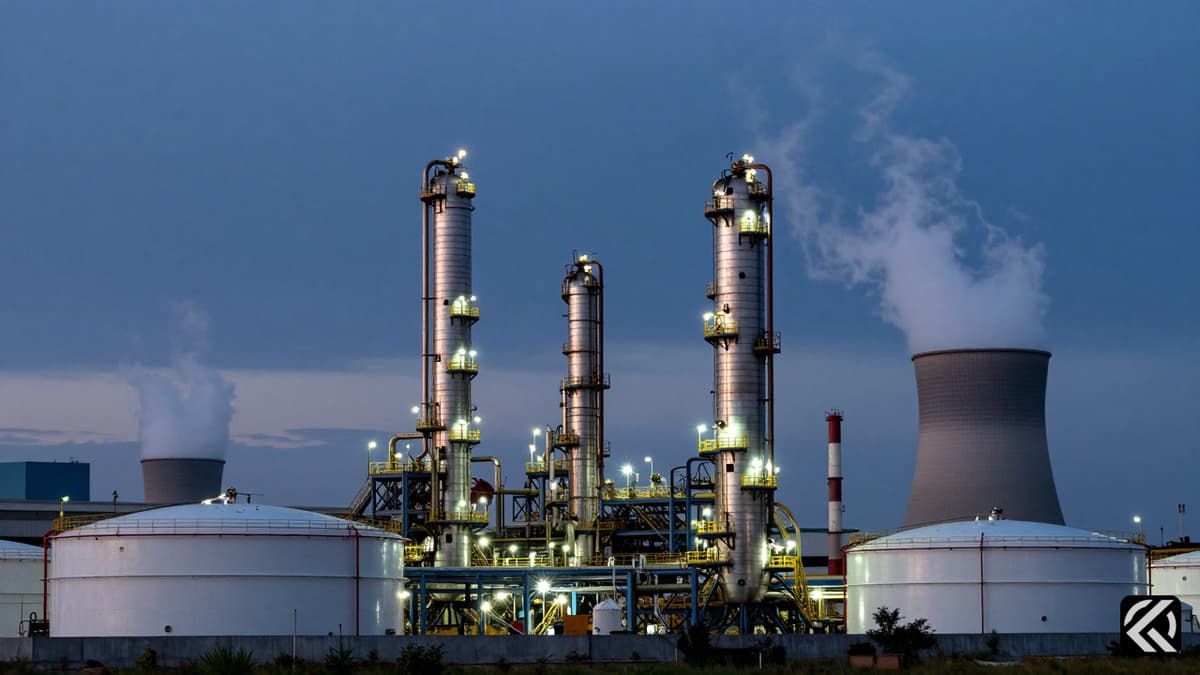
Official data reveals India’s oil sourcing strategy shifted after U.S. pressure eased, asserting energy independence amid potential 100% tariff penalties.
Over the last decade, India has consistently complied with U.S. pressure to reduce India oil imports from countries that Washington has sought to isolate. This compliance occurred despite the fact that these nations were historically important sources of energy for New Delhi.
The shift in sourcing patterns is now evident in recent official data. Once the intense pressure from Washington eased, India almost immediately returned to sourcing oil from these previously shunned countries. This immediate pivot suggests a strategic recalibration rather than a long-term alignment with U.S. foreign policy objectives regarding energy isolation.
The Ministry of External Affairs issued a strong statement on Thursday, defending India’s position. The statement asserted India’s strategic independence in sourcing energy, framing the issue as a matter of national sovereignty. This assertion comes against a backdrop of escalating economic threats from the United States.
A new U.S. Bill has been proposed that aims to impose severe financial penalties on nations that continue to trade with specific adversaries. Specifically, this legislation proposes tariffs of up to 100% on India. The primary reason for this extreme penalty is India’s continued importation of Russian oil, which contradicts the broader Western effort to isolate Moscow economically.
The timing of India’s return to these energy sources is significant. It indicates that New Delhi views its energy security as separate from the geopolitical strategies imposed by Washington. The decision to resume imports from countries like Venezuela, Iran, and Russia underscores a pragmatic approach to national interest over diplomatic alignment.
The Ministry’s statement serves as a direct rebuttal to the proposed economic coercion. By highlighting strategic independence, India signals that it will not allow external pressure to dictate its core energy needs. The reference to the specific bill highlights the severity of the potential conflict between the two nations regarding energy trade policies.
The proposed U.S. tariffs represent a significant escalation in the trade relationship. A 100% tariff is effectively a ban, designed to force a cessation of trade in specific commodities. This legislative move is a direct response to India’s refusal to fully align with U.S.-led sanctions regimes, particularly those targeting Russia.
For India, the cost of compliance versus the cost of defiance is being weighed carefully. Historically, compliance meant higher costs and logistical challenges due to the isolation of supplier nations. However, the current return to these sources suggests that the logistical or economic benefits of using these suppliers outweigh the diplomatic costs.
The role of Russian oil remains central to this dispute. Despite global pressure, India has maintained ties with Moscow. The U.S. response, through the proposed tariff bill, is an attempt to use economic leverage to alter this behavior. However, India’s immediate return to these sources after the pressure eased suggests that such leverage may have limited effectiveness.
The statement from the Ministry of External Affairs is not merely rhetorical. It is a policy declaration that will likely guide future procurement strategies. It signals to international markets that India remains open to trade with sanctioned entities, regardless of U.S. disapproval. This stance could have ripple effects across other nations navigating similar geopolitical pressures.
The decade-long period of compliance demonstrates that India is responsive to external pressure when it perceives a need or opportunity to do so. However, the rapid reversal of this trend indicates that compliance is not absolute. It is conditional on the level of pressure and the availability of viable alternatives.
The specific mention of Venezuela and Iran alongside Russia highlights the breadth of India’s energy diplomacy. These are not just alternative suppliers but nations that have been actively targeted by Western sanctions. Resuming imports from them is a deliberate act of defiance against the prevailing international order led by the United States.
The proposed tariffs are a tool of economic statecraft. By threatening extreme financial penalties, the U.S. aims to isolate its adversaries further. However, the effectiveness of such tools depends on the target's willingness to absorb the economic pain. India’s actions suggest it is willing to risk these penalties to maintain its energy supply chains.
The strategic independence asserted by New Delhi is rooted in the belief that energy security is a sovereign right. This perspective challenges the notion that global energy markets should be used as instruments of foreign policy enforcement. India’s stance positions it as a neutral player in global energy trade, prioritizing its own development needs over ideological alliances.
As the proposed legislation moves forward, the tension between the two nations is likely to increase. The outcome will depend on whether the U.S. follows through on its threats and whether India faces sufficient economic pressure to reverse its current course. For now, the data indicates a clear rejection of U.S. demands in the energy sector.
The immediate resumption of oil purchases from sanctioned nations like Russia, Venezuela, and Iran confirms India's refusal to align its energy policy with U.S. demands. If the proposed 100% tariffs are enacted, India may face higher costs, but its assertion of strategic independence suggests it will prioritize diverse energy sources over diplomatic appeasement. This trend indicates a lasting shift toward multipolar energy diplomacy, where India leverages its market size to resist unilateral economic coercion from Western powers, potentially emboldening other non-aligned nations to do the same.
Oct 3, 2026 04:08 UTC
FlyDubai Co-Pilot Banned in Oman Over Extremism Concerns
Oct 3, 2026 00:50 UTC
Israel-Mumbai Campaign Honors Captain Smit After Flydubai Incident
Oct 2, 2026 18:13 UTC
Captain Smit Machchhar’s Courage Saves Flydubai Flight FZ1073 From Disaster
Oct 2, 2026 16:45 UTC
Captain Smit Machchhar Saves Plane Mid-Fall
Oct 3, 2026 00:50 UTC
Israel-Mumbai Campaign Honors Captain Smit After Flydubai Incident