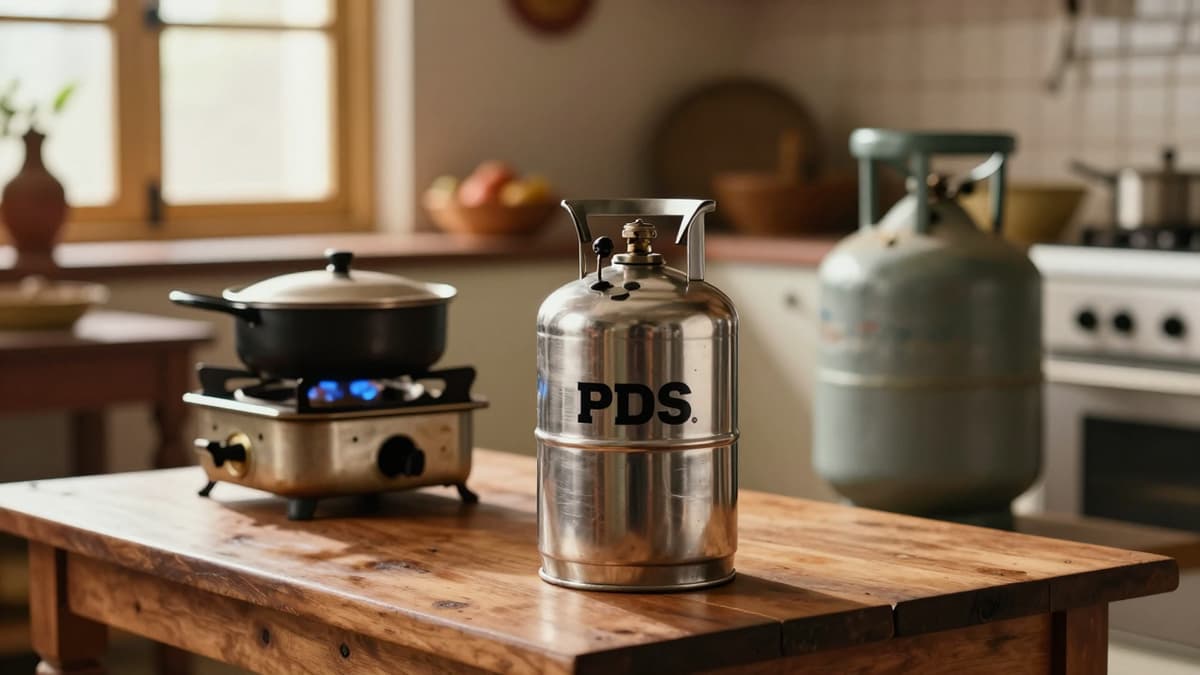
The Central government has activated an urgent 60-day emergency measure to allocate PDS kerosene, ensuring households maintain access to essential fuel amidst LPG constraints.
The Central government has initiated a decisive move to support domestic energy needs, announcing an ad hoc allocation of Public Distribution System (PDS) kerosene. This strategic intervention targets States and Union Territories, specifically designed to address household requirements. The official order clarifies that this fuel is designated strictly for cooking and lighting needs, ensuring continuity of essential services.
This initiative marks the reintroduction of a previously discontinued resource in a controlled manner. The government has identified 21 States and Union Territories that had previously been declared PDS SKO-free as the primary beneficiaries of this temporary relief. By reintroducing the fuel, authorities aim to bridge the gap for families currently facing difficulties in securing alternative cooking gases. The core objective is to ensure that households experiencing significant LPG constraints do not find themselves without access to essential fuel for basic domestic requirements.
The scale of this operation reflects the urgency of the situation. By implementing a strict 60-day emergency measure, the administration has set a defined timeline for this intervention. This temporary status suggests that the decision is a reactive measure to immediate pressures rather than a permanent shift in energy policy. The move is intended to provide immediate relief to those most affected, ensuring that the transition to modern cooking fuels does not leave vulnerable populations stranded during periods of supply volatility.
The decision to allocate PDS kerosene is grounded in the specific needs of the population. According to the official order, the fuel is to be used for cooking and lighting needs, covering the fundamental aspects of daily domestic life. This dual-purpose usage underscores the versatility required in emergency scenarios where modern alternatives may be unavailable. The reintroduction targets areas that had previously been declared PDS SKO-free, indicating a shift in policy for these specific regions. This targeted approach allows the government to direct resources where they are most needed without altering the broader energy distribution framework permanently.
The focus on 21 States and Union Territories highlights the geographic spread of the issue. These regions, once free from the need for PDS kerosene, are now re-approached to ensure no household is left without fuel. The move is intended to ensure that households facing LPG constraints continue to have access to essential fuel for basic domestic requirements. This suggests a temporary supply chain disruption or a price fluctuation affecting the availability of LPG, necessitating a backup plan. The government's acknowledgment of these constraints through an official order demonstrates a proactive stance in managing public welfare during energy shortages.
The specific nature of this allocation as an ad hoc measure indicates its reactive character. The Central government has made an ad hoc allocation of Public Distribution System (PDS) kerosene to States and Union Territories. This terminology implies a deviation from standard operating procedures, driven by the necessity to address an immediate crisis. The reintroduction of PDS kerosene is not a permanent policy change but a specific intervention designed to stabilize the situation over a defined period. By setting a 60-day limit, the government provides a clear window for relief while maintaining the flexibility to reassess the situation once the emergency phase concludes.
The reintroduction of PDS kerosene serves as a critical safety net for the population. The move is intended to ensure that households facing LPG constraints continue to have access to essential fuel for basic domestic requirements. This emphasis on "basic domestic requirements" reinforces the government's commitment to maintaining the quality of life for its citizens, regardless of fluctuations in the energy market. The distinction between cooking and lighting needs further clarifies the scope of the aid, ensuring that the fuel is utilized for its intended purposes during this emergency phase.
The Central government's decision to implement this 60-day emergency measure signals a cautious approach to energy distribution. As the 60-day period unfolds, the focus will remain on monitoring the impact of the PDS kerosene allocation on the broader LPG market. If the LPG constraints are successfully mitigated within this timeframe, the temporary reintroduction of kerosene may be withdrawn, returning the affected States and Union Territories to their SKO-free status. However, if the underlying issues persist, the duration of this emergency measure could be extended or expanded to other regions. The current strategy prioritizes immediate relief, ensuring that no household is left without a viable fuel source. The success of this temporary allocation will depend on the effective distribution logistics and the willingness of households to transition between fuel types as needed. The government's ability to manage this delicate balance will be a key indicator of its responsiveness to future energy challenges.
Jun 8, 2026 00:51 UTC
Trump Claims Iran Nuclear Deal Imminent Despite Diplomatic Fractures
Jun 8, 2026 00:47 UTC
Iran Fires Missiles at Israel After Beirut Strike
Jun 7, 2026 22:00 UTC
US, Iran Peace Hops Fade 100 Days Into War
Jun 7, 2026 20:57 UTC
Iran Strikes Israel: IRGC Promises Week of Continuous Offensive
Jun 8, 2026 02:28 UTC
Trump Walks Out of Meet the Press After Rejecting Evidence Demands


