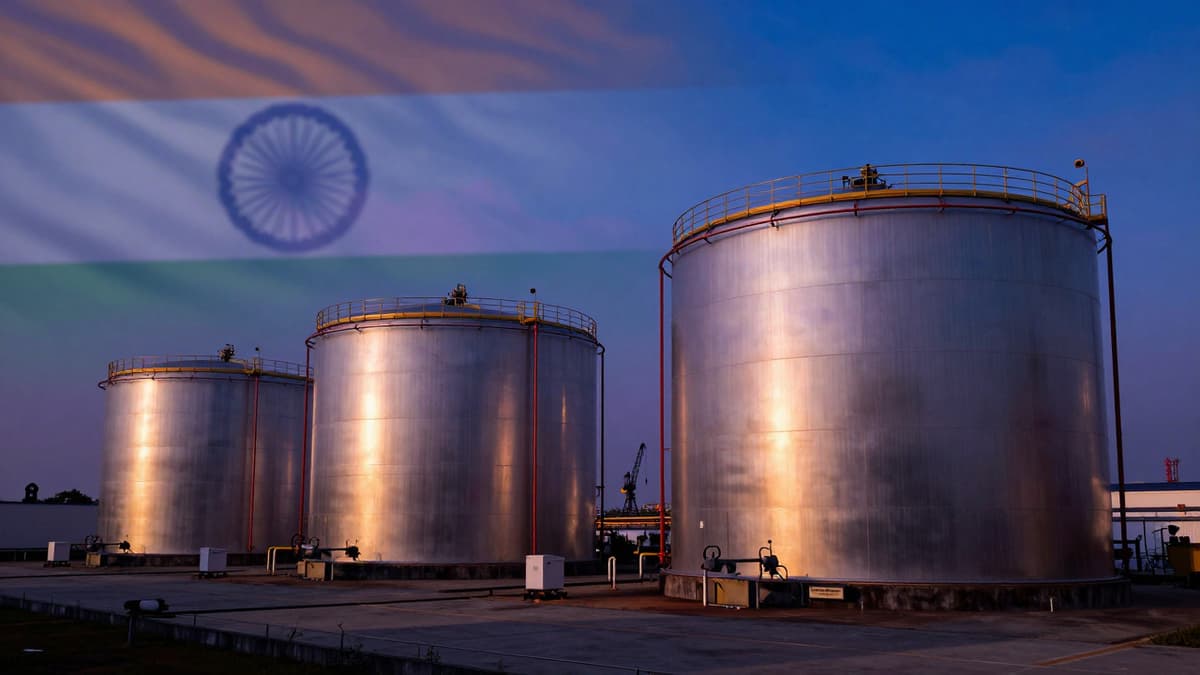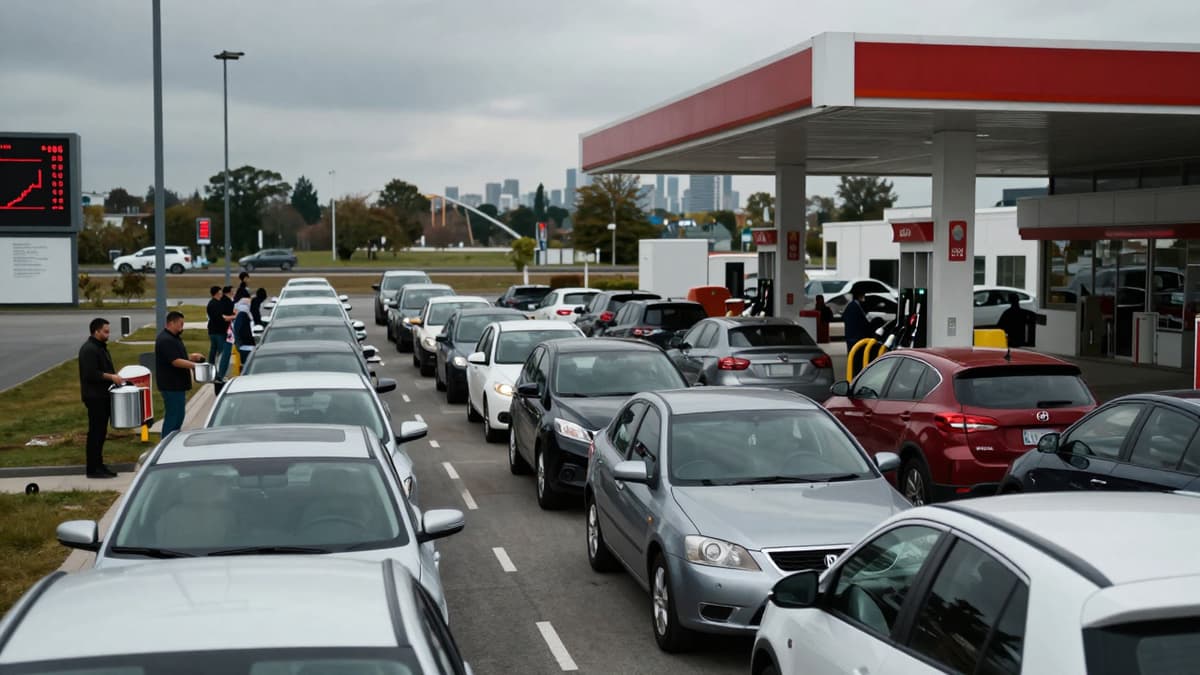
Amidst global fuel panic buying driven by the Iran conflict, the Indian government asserts stockpiles remain secure, though international airlines and European nations implement drastic price controls.
Uttar Pradesh Chief Minister Yogi Adityanath has assured citizens that there is no need for queues for cooking gas, declaring that LPG will continue to be delivered as scheduled. This statement comes as fuel panic buying spreads across various regions, including Kashmir and Hyderabad, driven by rumors of scarcity. Despite the fuel panic buying seen in Srinagar where people waited for hours, officials maintain that sufficient quantities are available. The situation has drawn sharp political criticism, with opposition leaders alleging a disconnect between the administration and the reality of a LPG shortage.
The unrest appears linked to the broader geopolitical climate. Iran conflict fuel prices have surged sharply after U.S. and Israeli attacks on Iran and retaliatory strikes on Gulf states. In Germany, prices have exceeded 2 euros per litre since late February, prompting lower house approval for measures allowing price increases only once daily at 1200 local time. Breaches of these new rules could result in fines up to 100,000 euros. Similarly, South Korea has announced a $17 billion "wartime" supplementary budget to curb rising energy costs, while Thailand considers lowering oil taxes to alleviate the impact on its citizens.
In India, the Ministry of Petroleum and Natural Gas stated that following the LPG Control order, domestic refinery production has increased by 40%, reaching a daily output of 50 TMT against a total requirement of about 80 TMT. Consequently, the net daily import requirement has dropped to 30 TMT. The Centre confirmed that about 25,992 MT of commercial LPG has been uplifted since March 14 by entities in 27 states and Union Territories. On March 25 alone, more than 37,000 free-trade 5 kg cylinders were sold. Authorities also reported conducting over 2,600 raids, seizing more than 450 cylinders in states including Delhi, Karnataka, and Maharashtra.
Despite these assurances, the political climate remains volatile. Sagarika Ghose of the Trinamool Congress accused the government of being "totally disconnected from all reality," arguing that the administration is shifting blame onto citizens for the emergency. She highlighted that small eateries, informal sector workers, and senior citizens are bearing the brunt of the crisis. Conversely, Samajwadi Party chief Akhilesh Yadav launched a scathing attack on the ruling party, stating that their policies force citizens into queues and labeling LPG as "Lapata Gas." He emphasized that the public has resolved to defeat the current leadership through their actions.
The impact is not limited to domestic fuel; the aviation sector has also felt the strain. Cathay Pacific announced a 34% increase in fuel surcharges on all flights due to rising oil costs from the West Asian war. Qantas Airways, meanwhile, is adding flights to Rome and Paris to meet an upswing in demand, despite the cost pressures. In Singapore, onshore fuel oil inventories held at over 24 million barrels for a third consecutive week, remaining well above average. Data from Enterprise Singapore showed residual fuel stockpiles at 24.51 million barrels, up 2% from the previous week, with most inflows coming from the neighboring hub of Malaysia.
In the UK, British Gas owner Centrica and Ceres Power announced a partnership to deploy solid oxide fuel cell power solutions to meet the multi-gigawatt demand from commercial and industrial customers, as businesses require power faster than current grids can deliver. Meanwhile, in Hyderabad, the situation began to stabilize on Thursday late morning. After two days of relentless queues and traffic disruption, crowds thinned significantly, offering relief to commuters and police personnel who had been deployed in large numbers to manage the flow.
The global response to the energy crisis indicates a shift toward immediate fiscal intervention and strategic price controls. Germany's legislation to limit price adjustment frequency and South Korea's emergency budget suggest that the Iran conflict fuel prices trend may persist through 2026, potentially driving inflation closer to 3% in Europe. In India, while the government claims a "firm" supply for one month, the high volume of raids and the sheer number of cylinders sold indicate a fragile equilibrium. If the LPG shortage rhetoric continues to gain traction among the public and opposition parties, the strain on domestic distribution channels could intensify, forcing further government intervention in pricing or subsidies to restore public confidence. The divergence between official statements of security and the visible queues in Kashmir and other regions suggests a critical communication gap that could define the political landscape in the coming months.
May 9, 2026 21:40 UTC
Russia Cuts Heavy Armor From Victory Day Parade Amid War
May 9, 2026 19:32 UTC
Hardliners Sabotage Iran-US Negotiations Amidst Fractured Regime
May 9, 2026 17:43 UTC
Moscow's Stripped-Down Victory Day: A Shift in Military Display
May 8, 2026 19:28 UTC
Iran Transforms Destroyed B1 Bridge Into Symbol of Resistance
May 10, 2026 13:03 UTC
M. K. Stalin Urges TVK to Continue Welfare Schemes