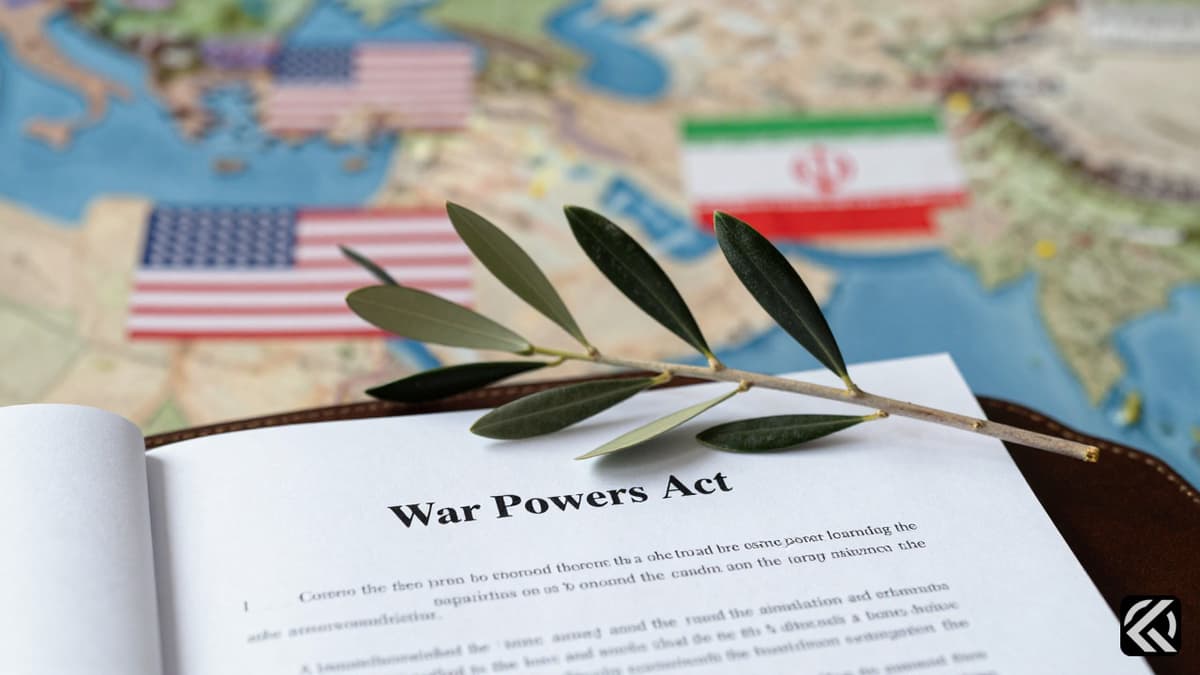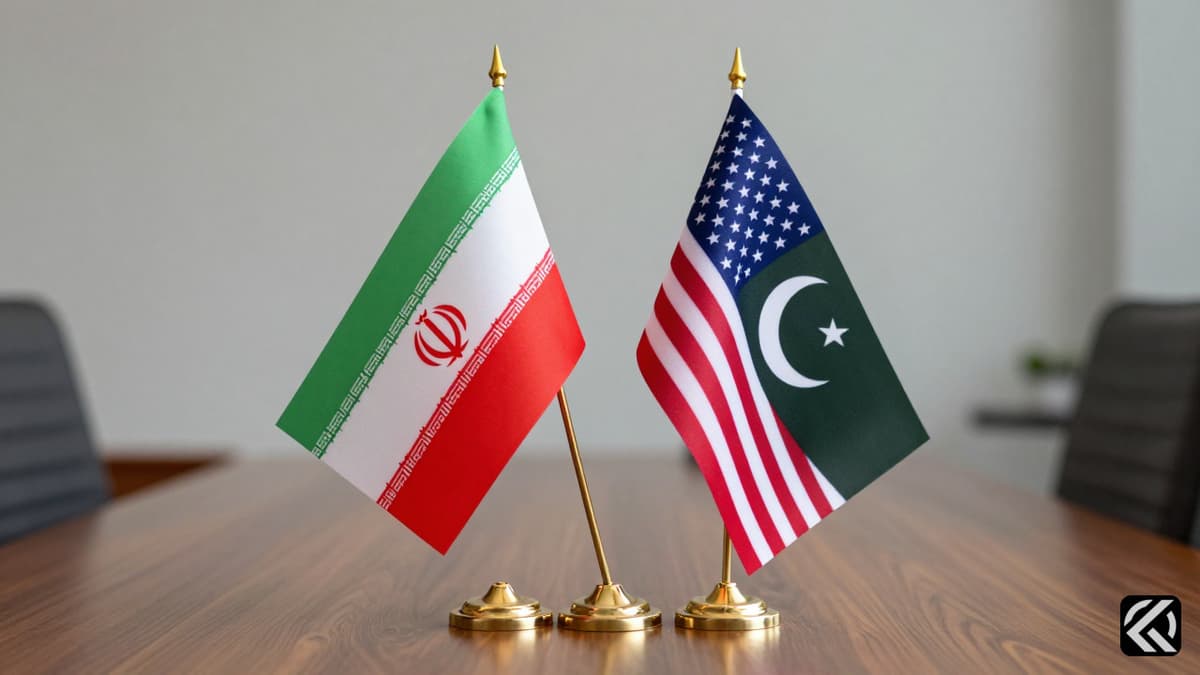
A diplomatic shift occurs as New Delhi joins a global consensus against Tehran following recent regional hostilities.
In a significant diplomatic development, India has joined a broad international coalition to condemn recent military actions in the Middle East. The United Nations Security Council adopted a resolution on March 11, 2026, which was cosponsored by New Delhi alongside over 130 other nations. This resolution specifically targets alleged attacks by Iran against Gulf Cooperation Council members and Jordan. The text describes these actions as egregious violations that threaten international peace.
Under the presidency of the United States, the fifteen-nation council voted thirteen times in favor of the measure. Notably, veto-wielding permanent members China and Russia abstained from the vote. The resolution was originally led by Bahrain and gathered support from diverse nations including Australia, France, Germany, Japan, Pakistan, Saudi Arabia, and the United Kingdom. A total of 135 countries eventually cosponsored the text, signaling a unified global stance on the matter.
The resolution emphasizes strong support for the territorial integrity and political independence of Bahrain, Kuwait, Oman, Qatar, Saudi Arabia, the United Arab Emirates, and Jordan. It demands an immediate cessation of all attacks by Tehran. Furthermore, it denounces threats regarding the closure of the Strait of Hormuz. The text asserts that merchant vessels must be allowed navigational rights according to international law. It also recognizes the right of member states to defend their vessels from provocations that undermine these freedoms.
United States Representative Ambassador Mike Waltz characterized the adoption as a direct statement against the brutality of the Iranian regime. He stated that President Donald Trump exhausted diplomatic negotiations before drawing a red line. According to Waltz, Iran sought missiles and drones while the US sought peace. Conversely, Iran’s Permanent Representative Ambassador Amir Saeid Iravani labeled the Council’s action unjust and unlawful. He argued the decision disregards established principles regarding aggression.
The Iranian envoy highlighted significant civilian casualties resulting from conflict starting February 28. Iravani claimed over 1,348 civilians were killed and more than 17,000 injured by US and Israeli strikes. He listed damaged infrastructure including residential homes, schools, and medical facilities. Specific counts included 65 educational institutions and multiple energy infrastructure facilities. He also noted damage to 16 Red Crescent buildings. Iran maintains its defensive operations target US military bases rather than regional sovereignty. The envoy insisted claims about closing the Strait are untrue, asserting Tehran honors international law obligations regarding navigation.
The diplomatic landscape shifted as New Delhi aligned with a majority of the Security Council to address regional security threats. While the US and Gulf nations focus on stopping Iranian provocations, Tehran counters with allegations of war crimes committed against its neighbors. This clash underscores the complex nature of international law during active conflict scenarios in 2026.
May 1, 2026 03:50 UTC
Trump Administration Declares Iran Conflict Terminated
Join 50,000+ readers getting the global briefing every morning.
No spam. Unsubscribe anytime.
May 1, 2026 03:50 UTC
Trump Administration Declares Iran Conflict Terminated
Apr 25, 2026 01:38 UTC
Iranian FM Araghchi Heads to Islamabad for Critical US-Iran Talks
Apr 25, 2026 01:13 UTC
Calm Suspect in Delhi Rape-Murder Case Faces Mental Evaluation
Apr 24, 2026 23:24 UTC
Raghav Chadha joins BJP, Shaking AAP’s Rajya Sabha Strength