The IDF chief warns of imminent collapse amid multi-front warfare, while the US and Israel face accusations of war crimes following a deadly school bombing in Iran.
Israel's military leadership faces a dire internal warning as the Iran-US war intensifies. Lt. Gen. Eyal Zamir, the chief of the Israel Defence Forces (IDF), told a security cabinet meeting that the military is at risk of collapsing in on itself. This stark assessment comes amid a growing IDF manpower shortage as the nation fights on multiple fronts simultaneously. Since February 28, Israel has conducted extensive air strikes against Iran while simultaneously invading Lebanon to engage Hezbollah and occupying additional territory in the south. Furthermore, the IDF has deployed thousands of troops into the West Bank to address rising settler violence against Palestinians.
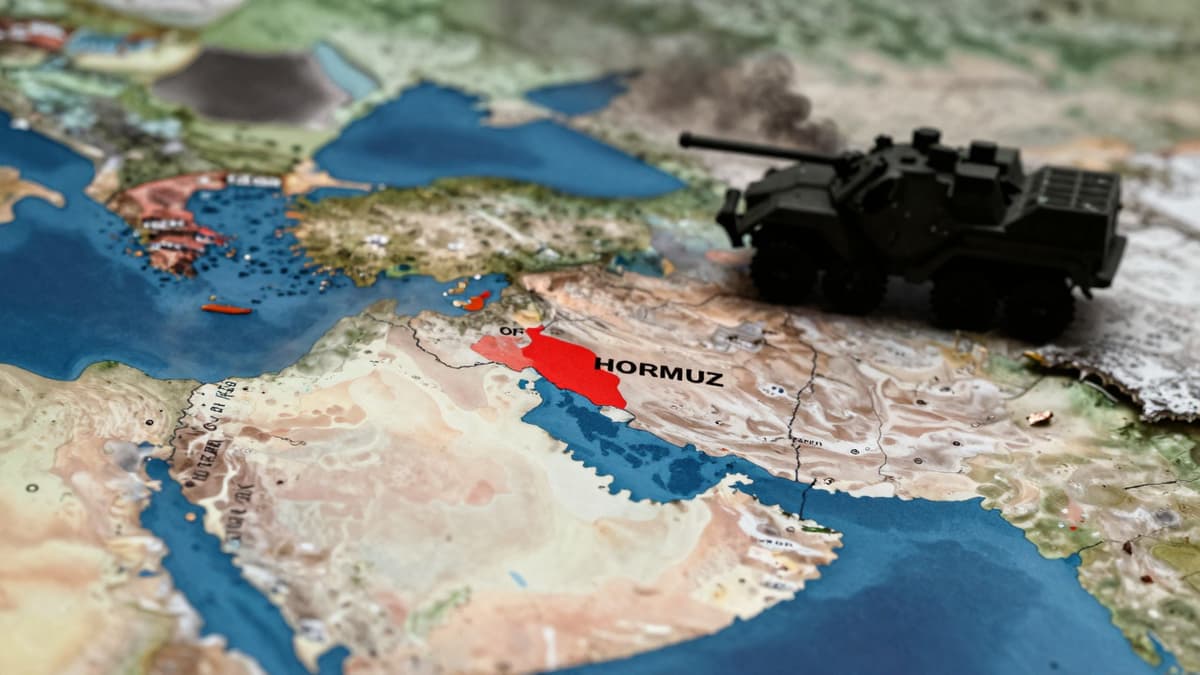
The conflict has triggered immediate and drastic reactions from regional powers and global actors. On Friday, March 27, 2026, Iran's Islamic Revolutionary Guard Corps (IRGC) announced a total prohibition on shipping to and from ports of Israeli and American allies. The IRGC confirmed that the Strait of Hormuz closure is now in effect, warning that any transit through the waterway will face harsh measures. Media reports indicate that three container ships of various nationalities were already turned back by the IRGC navy after issuing these warnings.
Diplomatic tensions are equally high, particularly regarding the deadly strike on a school in the southern Iranian city of Minab on the first day of the war. Iran's Foreign Minister, Abbas Araghchi, addressed the UN Human Rights Council, describing the attack as a "calculated, phased assault" by the United States. He noted that more than 175 students and teachers were killed in the incident, calling it a war crime and a crime against humanity. He argued that contradictory US remarks could not absolve Washington of its responsibility. UN rights chief Volker Turk echoed these sentiments, stating that the bombing evoked "visceral horror" and demanding a swift, transparent investigation into the attack.
The humanitarian toll extends beyond the school incident. Ahmad Alavi, head of Tehran city council's cultural heritage committee, reported that at least 120 museums, historical buildings, and cultural sites have suffered serious structural damage. Among the UNESCO-listed sites damaged is the Golestan Palace, alongside the Saadabad Palace, the Marble Palace, and the Teymourtash house.
Iran has vowed to retaliate against US military assets, explicitly warning that hotels housing American soldiers are now valid targets. Armed forces spokesman Abolfazl Shekarchi stated on Thursday that once US forces occupy a hotel, it becomes a target from Iran's perspective. This threat comes as the IRGC urges civilians to stay away from areas near US forces, accusing them of using human shields.
In the Gulf, the conflict has caused tangible damage. Kuwait's main commercial port, Shuwaikh, suffered material damage from an enemy drone attack on Friday, though no casualties were reported. Meanwhile, Israel launched fresh waves of strikes early Friday, targeting weapons production facilities in the heart of Tehran, ahead of a planned UN Security Council meeting.
Diplomatic efforts to resolve the crisis are underway, though they appear to be at an impasse. U.S. Secretary of State Marco Rubio arrived in France for a G7 Foreign Ministers meeting, where tensions over the war are expected to dominate. European and other allies are pressing Rubio on the American strategy, especially after the conflict caused a spike in global energy prices. The U.K.'s Foreign Minister, Yvette Cooper, accused Iran of holding the global economy hostage by blocking shipping, demanding a swift resolution to restore regional stability.
The United States is reportedly considering a significant military escalation, with media reports indicating a potential deployment of up to 10,000 additional troops to the West Asia region. This move would drastically increase Washington's military presence, adding to the thousands of paratroopers and Marines already stationed there. The deployment aims to provide President Donald Trump with more military options, despite his insistence that Tehran is engaged in peace talks.
The international community is also reacting to the conflict's impact on civilian infrastructure. China's Foreign Ministry accused media of publishing false information regarding a report claiming Chinese semiconductor firm SMIC had sent chipmaking tools to Iran. Simultaneously, Europe's aviation safety regulator, EASA, extended its advisory for airlines to avoid the airspace of Iran, Israel, and several Gulf states until April 10 due to heightened military activity.
The UN Security Council will hold closed-door consultations on Friday at Moscow's request, focusing on the strikes against Iranian civilian infrastructure, including educational and healthcare facilities. This diplomatic push highlights the international concern over the widening scope of the war. As the first month of the conflict nears its end, the combination of military overstretch, economic disruption, and unproven diplomatic avenues suggests that the conflict could enter a prolonged and dangerous phase of escalation. The UN rights chief emphasized that findings from any investigation must be made public to ensure justice for the victims, signaling that the international community will continue to scrutinize the conduct of all belligerents in this escalating crisis.
Jun 8, 2026 02:17 UTC
Magnitude 7.8 Quake Shakes Philippines, Urging Immediate Evacuations
Jun 8, 2026 00:51 UTC
Trump Claims Iran Nuclear Deal Imminent Despite Diplomatic Fractures
Jun 8, 2026 00:47 UTC
Iran Fires Missiles at Israel After Beirut Strike
Jun 7, 2026 22:00 UTC
US, Iran Peace Hops Fade 100 Days Into War
Jun 8, 2026 04:15 UTC
Trump Urges Netanyahu to Halt Iran Strike for Peace


