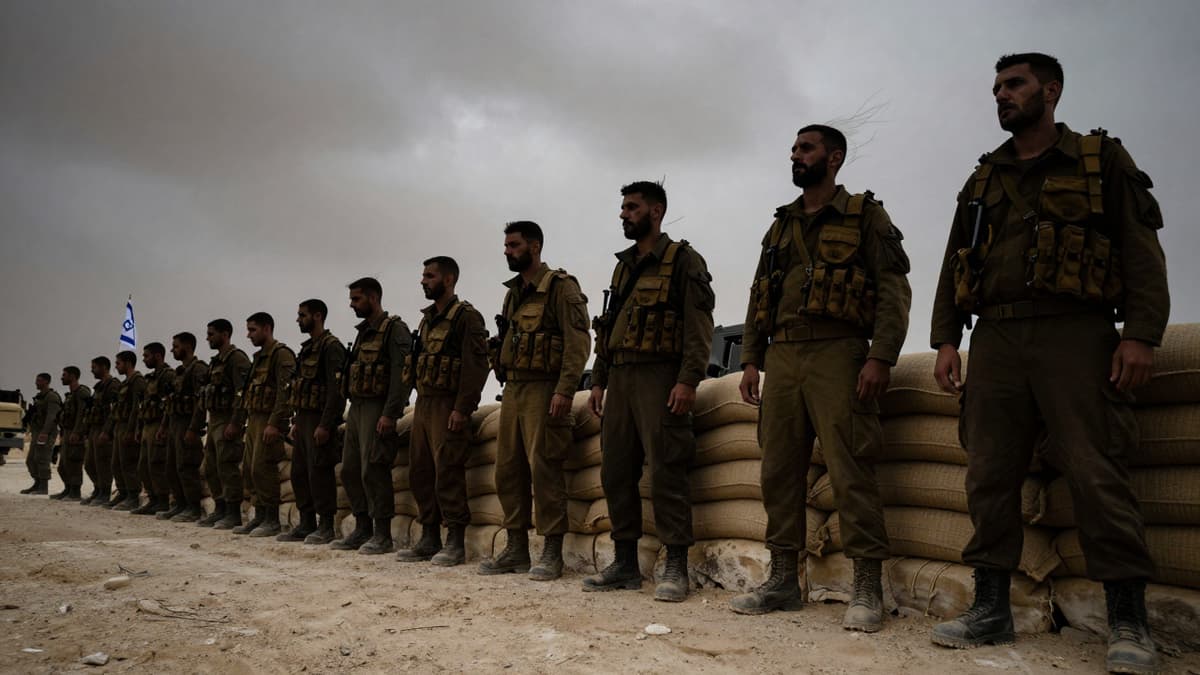
IDF Chief Lt. Gen. Eyal Zamir issues a dire warning of potential collapse as the military grapples with a critical shortage of troops and insufficient laws to sustain a multi-front conflict.
Israel Defence Forces (IDF) Chief Lt. Gen. Eyal Zamir has issued a stark warning that the military is on the brink of self-destruction due to a critical lack of personnel. Speaking during a security cabinet meeting, Zamir stated that the army "is going to collapse in on itself" as it struggles with a growing IDF manpower shortage. This alarming assessment highlights the urgent need for legislative action to extend mandatory service and regulate reserve duty, according to reports from Israeli media outlets.
The General's grim prognosis arrives at a time when the nation is simultaneously engaged in active combat operations across multiple fronts. Since February 28, Israel has been conducting extensive air strikes against Iran, while also invading Lebanon to fight Hezbollah and occupy territory in the south. Compounding the strain, thousands of troops have been deployed to the West Bank to address rising settler violence against Palestinians. In this volatile environment, the military's ability to sustain its operations is being tested like never before.
On Thursday, March 26, 2026, the IDF confirmed another casualty, announcing that one soldier was killed and four others wounded in a Hezbollah anti-tank missile attack. This incident brings the death toll of Israeli troops to at least four since the latest fighting with Hezbollah began on March 2. Meanwhile, Hezbollah claims it is resisting the Israeli invasion and has launched hundreds of rockets into Israel over the past three weeks. Lebanese authorities report that at least 1,070 people have been killed by Israeli strikes in that same period, with more than one million individuals displaced from their homes.
During the cabinet meeting, Zamir outlined the specific legislative gaps threatening the military's survival. "I am raising 10 red flags in front of you," he told the ministers. He emphasized that the IDF currently requires a new conscription law, a revised reserve duty law, and legislation to extend mandatory service. "Before long, the IDF will not be ready for its routine missions and the reserve system will not last," he warned, according to Channel 13. The Times of Israel also covered these comments, underscoring the gravity of the situation.
The political fallout from the Chief of Staff's remarks has been immediate. Israel's Opposition Leader Yair Lapid directed strong criticism at the government of Prime Minister Benjamin Netanyahu. Lapid accused the government of "sending the army into a multi-front war without a strategy, without sufficient resources, and with too few soldiers." He argued that the current leadership lacks a coherent multi-front war strategy, leaving the military ill-equipped for the scale of the current conflict.
Lapid further stated that the government would no longer be able to claim ignorance regarding these shortcomings. "This time, the government will not be able to say, 'I didn't know,'" Lapid declared. He noted that since the current Chief of Staff was appointed by the government, they cannot shift the blame onto the military leadership. "They will not be able to politicise him and shift the blame onto him," Mr. Lapid said, holding the administration fully accountable for the strategic and resource deficits facing the nation.
The convergence of the Chief of Staff's dire warnings and the Opposition's accusations points to a critical juncture for the Israeli government. The military is currently stretched thin by simultaneous engagements in Lebanon, against Iranian assets, and within the West Bank. The demand for new laws regarding conscription and reserves suggests that the existing legal framework is insufficient to support the prolonged and expanding nature of these operations. Without immediate legislative intervention, the Chief of Staff believes the structural integrity of the defense forces will fail under the pressure.
The situation highlights a profound IDF reserve crisis that threatens to derail the military's operational capacity. With the Chief of Staff stating that the reserve system will not last, the immediate future of routine missions remains uncertain. As the conflict continues to expand with hundreds of rockets launched by Hezbollah and ongoing ground operations, the gap between manpower needs and available troops is widening. If the government fails to enact the three proposed laws-covering conscription, reserve duty, and mandatory service extension-the military risks a total breakdown in readiness. The political tension is palpable, with the Opposition refusing to let the government off the hook for strategic failures, setting the stage for a fierce debate on national security and resource allocation in the coming days.
Jun 8, 2026 00:51 UTC
Trump Claims Iran Nuclear Deal Imminent Despite Diplomatic Fractures
Jun 8, 2026 00:47 UTC
Iran Fires Missiles at Israel After Beirut Strike
Jun 7, 2026 22:00 UTC
US, Iran Peace Hops Fade 100 Days Into War
Jun 7, 2026 20:57 UTC
Iran Strikes Israel: IRGC Promises Week of Continuous Offensive
Jun 8, 2026 02:28 UTC
Trump Walks Out of Meet the Press After Rejecting Evidence Demands


