President Trump signals a unilateral exit from the Iran war, yet hardliners in Tehran insist on continuing conflict, threatening the global economy and nuclear security.
US President Donald Trump is signaling a potential unilateral withdrawal from the ongoing conflict with Iran, a move that could leave the war far from over. President Trump has claimed that the difficult phase of the conflict is complete, expressing optimism that his departure would alleviate the economic strain caused by Iranian attacks on energy infrastructure and shipping lanes. This abrupt shift comes despite the US failing to topple the Islamic Republic, open the Strait of Hormuz, or secure a binding deal to halt attacks on American interests.
President Trump has boasted that the "hard part is done," suggesting that the US can now exit without toppling the regime. However, this optimism clashes sharply with Tehran's stance. Foreign Minister Abbas Araghchi stated on Tuesday that Iran will determine when the war ends, explicitly rejecting any external deadlines. The Iranian leadership has indicated a readiness to continue hostilities for at least six months, insisting that the conflict will only cease if the US agrees to their specific demands.
The uncertainty surrounding an Iran-US war exit stems from the complex reality of the battlefield. Trump declared that his singular goal of preventing Iran from developing a nuclear weapon "has been attained" after bombing several facilities. Yet, the US has failed to locate more than 400 kilograms of highly enriched uranium, material capable of being used to construct a nuclear bomb. This gap between political declaration and on-the-ground reality creates a precarious situation where the perceived threat of a nuclear weapons program may have intensified rather than diminished.
Experts warn that the political landscape in Tehran has shifted dramatically. The previous Supreme Leader, Ali Khamenei, was killed by US and Israeli forces during the conflict, a move that has reportedly empowered hardliners in the country. These hardliners are now demanding the weaponization of the nuclear program, arguing that Iran's status as a nuclear threshold state failed to deter previous attacks. Consequently, the US may be leaving in place a significantly more hardline regime where the Islamic Revolutionary Guard Corps (IRGC) undermines civilian leadership, likely leading to increased isolation and a crackdown on liberties.
An early withdrawal effectively acknowledges that Washington failed to open the Strait of Hormuz through either diplomacy or military pressure. While President Trump argues that gas prices will "tumble down" because the US imports little energy from the Middle East, economic realities suggest otherwise. The price of fuel at the pump is determined by the global market, meaning a supply shock left unaddressed would still drive prices up for American consumers.
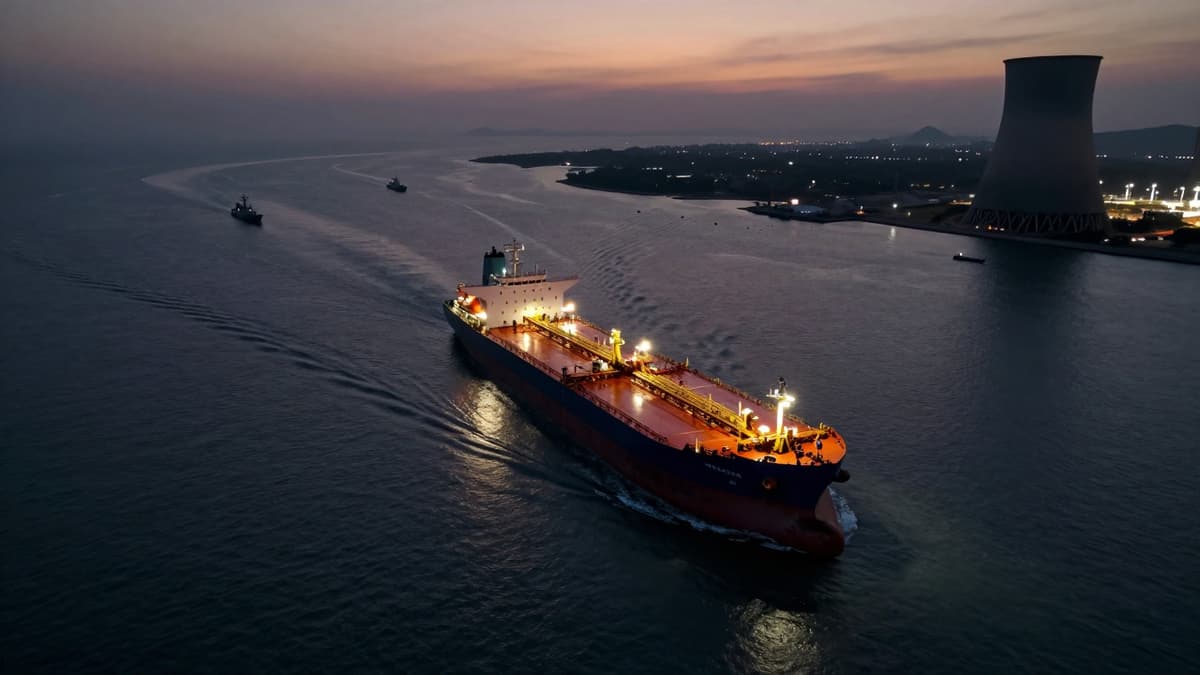
Exiting without a formal agreement to reopen the waterway would hand Iran a significant victory, allowing it to solidify its control over the Strait of Hormuz. This control grants Tehran immense leverage over the global economy, surpassing its previous capabilities. The regime has already begun vetting ships passing through the strait and is reported to impose tolls of up to $2 million per vessel. If this becomes the new norm, it would create a fresh revenue stream for a regime intent on continuing its war, despite international norms and legal frameworks.
While the consolidation of Iranian control might paradoxically lead to more oil flowing through the strait as other states seek permission to transit, it sets a dangerous precedent lacking a basis in international law. This shift raises serious questions about the resilience of the rules-based maritime order. Furthermore, experts caution that even if oil supply stabilizes, it could take weeks or even months for the resulting price relief to filter through to the pump for consumers.
The security of Gulf Arab neighbors is also left in jeopardy. During the war, Iran broke two long-standing taboos: launching direct attacks against their territory and effectively closing Hormuz to their oil shipments. These actions are viewed as existential threats by Gulf states. A hasty exit without an agreement could leave these allies exposed to repeat attacks for years, handing Iran the leverage to dictate export terms while maintaining the threat of missile strikes on their cities. This scenario also risks fracturing the implicit bargain of US protection in exchange for strategic alignment and trillions of dollars in investment.
Furthermore, the trajectory of the conflict depends heavily on Israel's response to an American withdrawal. Israel has signaled an intent to fundamentally weaken the Iranian regime and may view the Islamic Republic as intact as "unfinished business," leading to continued strikes on Iran and Lebanon. Although Washington previously demonstrated the ability to restrain Israel, such as forcing a recall of jets during the conflict in June 2025, there is no guarantee of future restraint without a formal negotiated end to the war.
A hasty US exit is unlikely to resolve the complex fronts in Lebanon and Gaza, where Israel continues to intensify campaigns against adversaries like Hezbollah. Iran has repeatedly insisted on a comprehensive agreement to end fighting in these regions, but without a US-backed deal, the conflict is poised to continue. The absence of a formal end to the war means Iran will likely continue to demand assurances against future attacks, assurances that are improbable without a negotiated settlement. As the US pulls back, the likelihood of prolonged hostilities increases, leaving the region in a volatile state where the rules of engagement remain undefined and the risk of escalation remains high.
Jun 8, 2026 00:51 UTC
Trump Claims Iran Nuclear Deal Imminent Despite Diplomatic Fractures
Jun 8, 2026 00:47 UTC
Iran Fires Missiles at Israel After Beirut Strike
Jun 7, 2026 22:00 UTC
US, Iran Peace Hops Fade 100 Days Into War
Jun 7, 2026 20:57 UTC
Iran Strikes Israel: IRGC Promises Week of Continuous Offensive
Jun 8, 2026 02:28 UTC
Trump Walks Out of Meet the Press After Rejecting Evidence Demands


