Section
G7 nations coordinate a historic emergency release of 100 million barrels to stabilize markets, but experts warn the impact may be temporary amid ongoing supply disruptions.
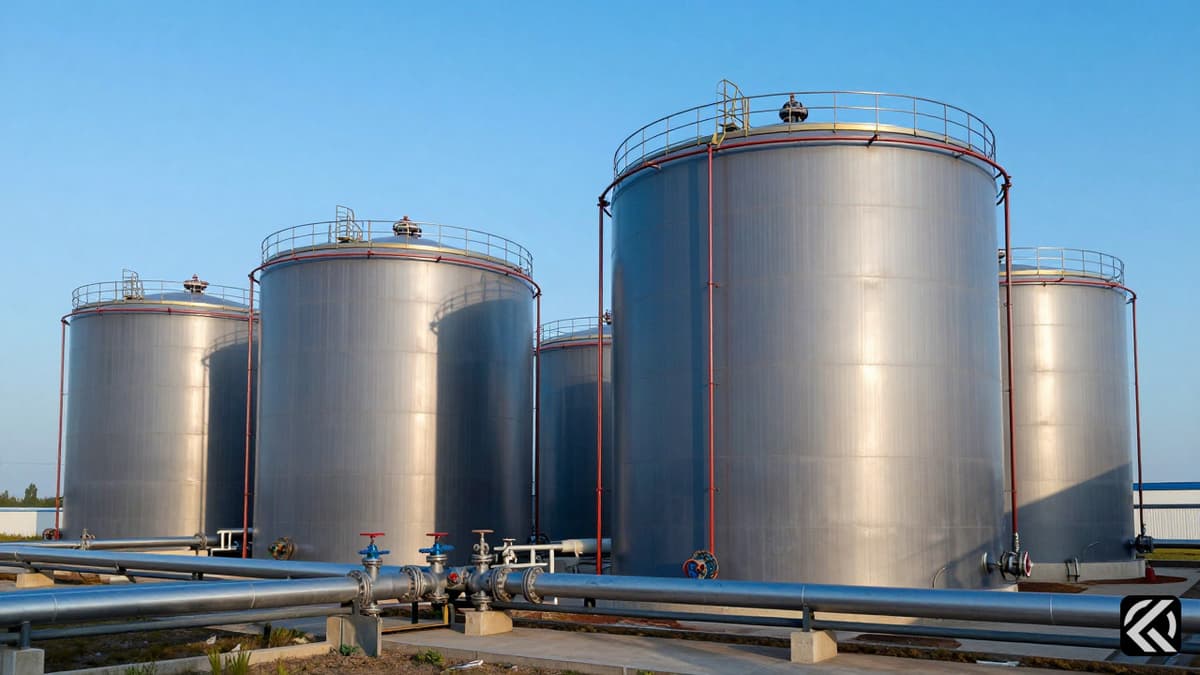
The Group of Seven (G7) countries have reached a historic agreement to release 100 million barrels of crude oil and diesel from their emergency reserves over a four-month period. This coordinated move, orchestrated to curb soaring energy costs, comes after significant pressure from United States President Donald Trump. The decision aims to stabilize markets disrupted by geopolitical conflicts, specifically citing the ongoing hostilities involving the US Israel war on Iran and Russia’s war on Ukraine as primary catalysts for the global supply crunch.
The urgency of this announcement was underscored by recent market volatility. Oil prices jumped and settled more than $4 a barrel on Thursday, while global diesel prices hit a record high last Friday. According to the American Automobile Association (AAA), the average price for a gallon of diesel reached $6.50, a sharp increase from $5.61 just a month earlier. In response to this volatility, G7 leaders, including France, Germany, Italy, Japan, the UK, and the US, convened via video conference chaired by French President Emmanuel Macron. They issued a joint statement confirming the implementation of their commitments through the International Energy Agency (IEA), noting that members had already released approximately two-thirds of a previous 400-million-barrel agreement.
The immediate reaction to the G7’s announcement was a brief dip in Brent crude, which briefly dropped below $100 a barrel before rebounding to about $102 in the evening. However, financial experts remain skeptical about the long-term efficacy of this measure. Hamad Hussain, a climate and commodities economist at Capital Economics, told Al Jazeera that while the release will put downward pressure on prices, particularly for global diesel, the impact would be short-lived. He characterized the move as a temporary solution to a deeper supply crunch.
Naeem Aslam, chief investment officer at Zaye Capital Markets, echoed these sentiments, describing the release as "very much needed" but primarily a mechanism to ease pressure on the market. He noted that while added pressure might dissipate by Sunday night, the market could see a reversal by Monday morning. Aslam emphasized that the actual structure changes regarding who releases stocks and where bans are lifted remain critical components for sustained stability.
The fundamental issue driving global diesel prices higher is a severe reduction in supply. Neil Atkinson, former head of the International Energy Agency’s Oil Industry and Markets Division, identified three key factors contributing to the decline in global diesel supply. First, diesel exports from the Middle East to Europe have ceased, cutting off supply from major producers like Saudi Arabia and Kuwait. Second, Russia has stopped exporting diesel entirely due to Ukrainian attacks on its refineries. Third, China is no longer exporting diesel. With demand remaining high due to the agricultural harvesting season, the gap between supply and demand has widened significantly.
The political dynamics surrounding this energy crisis are complex. President Trump has been under pressure from Republicans concerned about voter sentiment ahead of the November midterm elections. Earlier this week, the Trump administration threatened to impose a ban on US diesel exports if Europe did not release its emergency stocks. However, on Friday, Trump stated that Washington would not impose the ban, claiming it was never truly on the table and that Europe was making a "major world contribution" by releasing its own reserves.
Despite the G7 announcement, the economic implications are far-reaching. Diesel is essential not just for transport but for nearly all industrial and agricultural activities. Frederic Schneider, a nonresident senior fellow at the Middle East Council on Global Affairs, explained that while gasoline taxes consumers, diesel taxes producers. This means a diesel price shock spreads into the price of almost everything else, including food and building materials. Farmers are hit twice as rising diesel costs coincide with increased fertilizer prices, further exacerbated by the closure of the Strait of Hormuz.
Schneider noted that US diesel inventories are at their lowest seasonal level since records began in 1982. He argued that if US-Israeli actions regarding Iran have halted production and reserves are depleted, the only way to bring more diesel to the US market is by exporting less. This highlights the delicate balance between domestic supply security and international obligations.
The White House is reportedly preparing an executive order to tackle record-high US diesel prices, which could be unveiled as early as next week. Meanwhile, Trump posted on Truth Social that Europe had agreed to release a "massive amount" of their heavily stocked diesel oil, with the process beginning immediately. The G7 statement also included provisions to coordinate maintenance schedules across G7 refineries to prevent simultaneous capacity shutdowns and urged members to refrain from imposing export restrictions on energy products among themselves.
While the G7’s coordinated action aims to stabilize volatile markets, experts caution that the underlying structural issues remain unresolved. The ongoing conflicts in the Middle East and Ukraine continue to disrupt supply chains, leaving the global energy market vulnerable to further shocks. As the immediate panic subsides, the focus will shift to whether sustainable supply levels can be restored or if prolonged high costs will inevitably drive inflation across agricultural and industrial sectors globally.
Oct 6, 2026 02:48 UTC
Yemen Forces Recapture Mocha in Major Counteroffensive
Oct 6, 2026 00:07 UTC
Teen Loses Hand in French School Protest Clashes Amid Escalating Violence
Oct 5, 2026 22:36 UTC
UAE Shares FlyDubai Crew Data After Pilot Seize Control Attempt
Oct 5, 2026 22:00 UTC
US Withdraws Heavy Bombers From UK Base Amidst Rising Tensions With Iran
Nov 5, 2026 10:43 UTC
U.S. Targets Suniel Kumar Sharma for Illicit Iran Trade