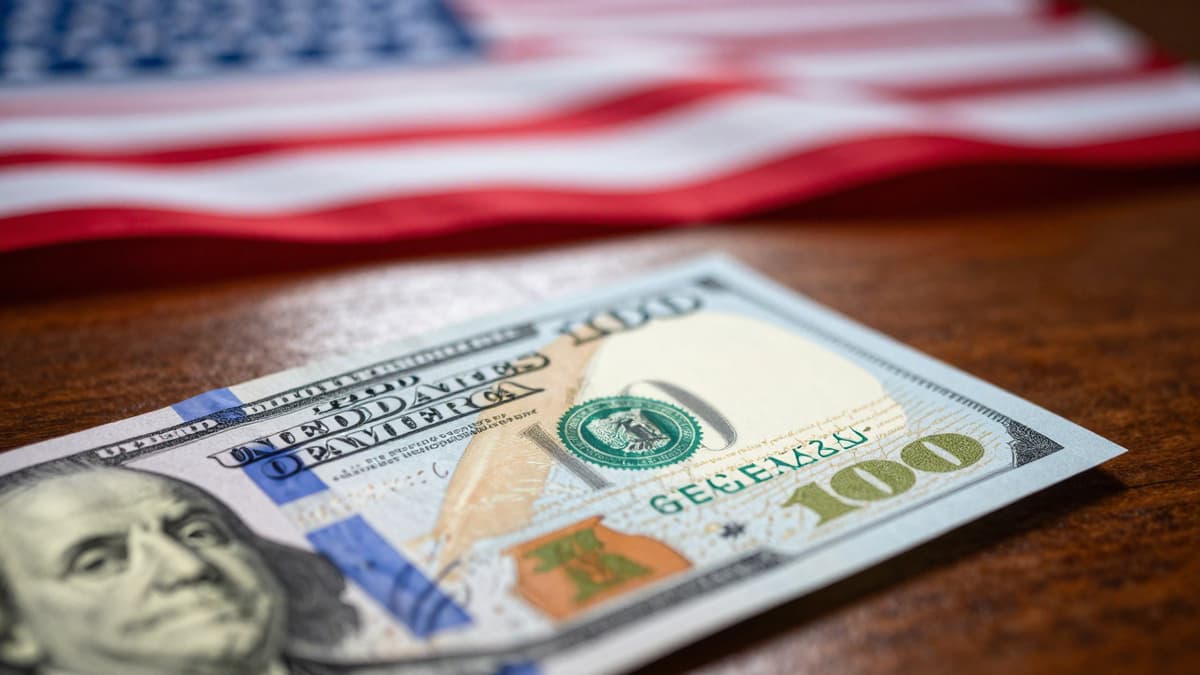
In a historic first for a sitting president, Donald Trump's signature will soon appear on US currency, a move timed to mark the nation's 250th Independence Day anniversary.
The announcement has sparked immediate political reaction, particularly from figures in the opposing party. California Governor Gavin Newsom, a widely recognized frontrunner for the Democratic nomination in 2028, publicly mocked the Treasury's announcement. Speaking on social media, Newsom remarked that the move would ensure Americans "will know exactly who to blame" as they continue to pay more for essentials such as groceries, gas, rent, and health care. His comments reflect the broader divide in how the administration's economic claims are perceived by different sectors of the public.
Until this announcement, US banknotes divided into denominations of $1, $2, $5, $10, $20, $50, and $100, have consistently featured the signature of the Treasury secretary and the treasurer, but never that of the president. The shift in protocol represents a significant departure from historical standards of US currency design. Critics of the administration have already begun drawing comparisons to authoritarian regimes, highlighting concerns about the precedent being set.
This move by the Trump administration, described by observers as another precedent-busting action, follows a similar decision made just a week prior. The US Commission of Fine Arts, led by Trump appointee Rodney Mims Cook Jr, had approved the minting of a commemorative gold coin bearing the Republican president's image. The approval of the gold coin relied on a specific legal loophole in a law that strictly prohibits the depiction of living presidents on circulating currency.
Critics have strongly condemned this behavior, likening the administration's actions to those of dictators and monarchs. The justification for such changes is the Trump administration's focus on aggressive branding. Since returning to the White House, Trump has attached his name to a growing list of institutions and projects. These include the John F Kennedy Center for the Performing Arts, the US Institute of Peace, and an upcoming class of battle ships. This pattern suggests a concerted effort to integrate the president's identity deeply into national infrastructure and symbols.
The timing of the signature inclusion is tied to a major national milestone. The 250th Independence Day celebration in July serves as the backdrop for this financial commemoration. While the economic data shows growth of 2.2 percent in 2025, the administration frames this as a direct result of their policies, distinct from the previous era. Treasury Secretary Scott Bessent's endorsement of the move underscores the belief that the president's contributions to the economy justify the permanent alteration of the nation's money.
The inclusion of the president's signature on money signifies a shift in how US leadership is commemorated on official currency. As the administration continues to expand the use of the president's name across various federal institutions, the long-term impact on public perception of US monetary policy remains to be seen. If this precedent is established, future administrations may face pressure to follow suit, potentially altering the traditional neutrality of US banknotes. The controversy surrounding the move suggests that the debate over the intersection of political branding and national symbols is just beginning, with the 250th anniversary serving as the catalyst for this contentious evolution in American financial history.
Jun 8, 2026 00:51 UTC
Trump Claims Iran Nuclear Deal Imminent Despite Diplomatic Fractures
Jun 8, 2026 00:47 UTC
Iran Fires Missiles at Israel After Beirut Strike
Jun 7, 2026 22:00 UTC
US, Iran Peace Hops Fade 100 Days Into War
Jun 7, 2026 20:57 UTC
Iran Strikes Israel: IRGC Promises Week of Continuous Offensive
Jun 8, 2026 02:28 UTC
Trump Walks Out of Meet the Press After Rejecting Evidence Demands


