A comprehensive analysis of the recent military escalation and diplomatic responses involving the US, UN, and regional nations in the ongoing conflict.
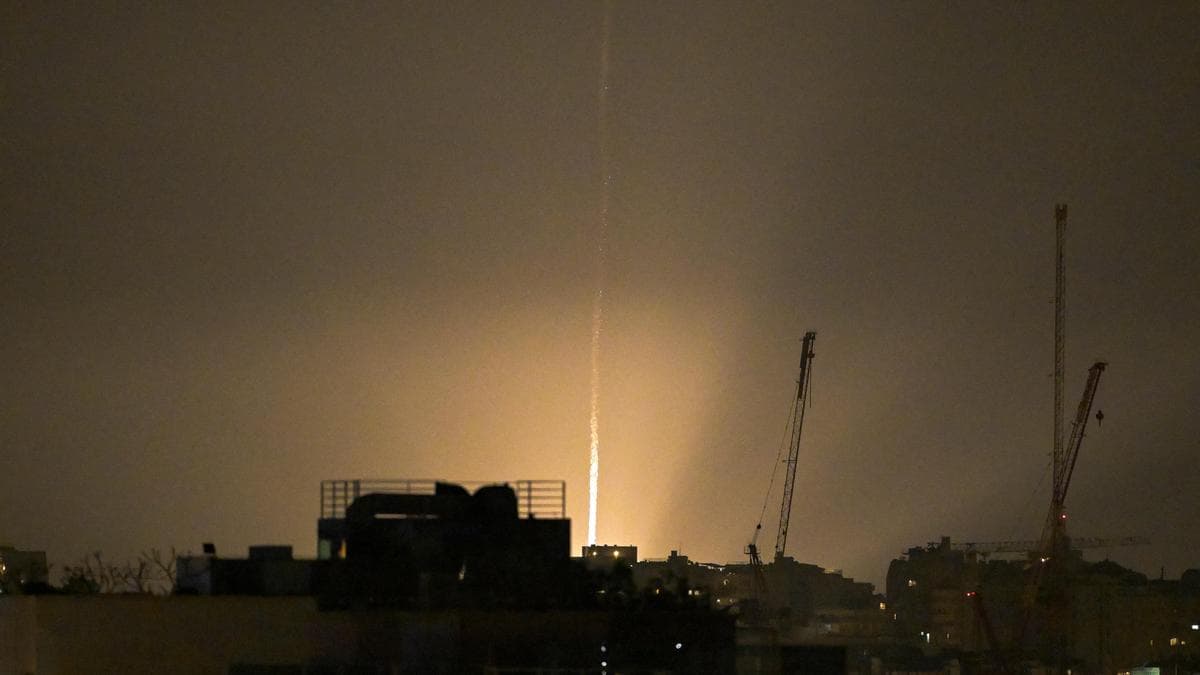
The geopolitical landscape shifted dramatically following reports of significant military activity in the region. On Thursday, March 12, 2026, the Israeli military confirmed that Iranian missiles were heading towards Israel. Air defenses were reported as active while blasts were heard from Jerusalem. In response to this immediate threat, Israel announced wide-scale strikes targeting Tehran and Hezbollah. The military urged people in affected areas to head to shelters immediately after identifying missiles launched from Iran toward the territory of the State of Israel. This surge in hostilities marks a critical point in the ongoing conflict as defensive systems engage incoming projectiles.
Prior to these kinetic developments, President Donald Trump addressed the situation on Wednesday, March 11. Speaking to reporters in Washington, he stated that Iran was on the verge of defeat. However, he issued a stern warning regarding potential United States involvement. Trump indicated that US forces could escalate strikes such that the country would be almost impossible to rebuild. He told reporters that they are pretty much at the end of the line. This rhetoric underscores the severity of the situation as viewed by American leadership and suggests that the window for diplomatic resolution may be narrowing significantly. The President's comments suggest a readiness for maximum pressure tactics if necessary.
Concurrently, diplomatic efforts were underway to curb the violence through international bodies. The UN Security Council passed a resolution on Wednesday calling for Iran to immediately halt its attacks. The vote tallied 13 in favor with two abstentions. The text explicitly condemns actions against Bahrain, Kuwait, Oman, Qatar, Saudi Arabia, the United Arab Emirates, and Jordan as breaching international law and endangering regional stability. India cosponsored this resolution, highlighting its stance against these egregious attacks. The resolution emphasizes that such aggression poses a serious threat to international peace and security. By targeting specific Gulf states and Jordan, the UN highlights the regional scope of the danger beyond just Israel. This collective action underscores the gravity of the situation as nations unite to address the breach of legal norms regarding state sovereignty.
The military actions taken by Israel indicate a shift from defensive measures to offensive retaliation. While air defenses remained active due to incoming threats, the announcement of wide-scale strikes on Tehran signals a major escalation. The directive for civilians to seek shelter remains in place as the situation develops. The involvement of multiple nations in the UN resolution demonstrates a broad consensus that the current trajectory is unsustainable. As the conflict progresses, the interplay between military capability and international law will define the next phase of this crisis. The timing of these announcements coincides with the active status of air defense systems. The specific mention of the State of Israel highlights the formal recognition involved in these defensive identifications.
The current crisis involves both military escalation and high-level diplomatic pressure. While Israel engages in defensive and offensive operations, global leaders like President Trump are warning of severe consequences for Iran. Simultaneously, the international community, supported by India, is pushing for an immediate cessation of hostilities to protect regional stability and adhere to international law. This combination of force and diplomacy defines the current moment.
May 1, 2026 03:50 UTC
Trump Administration Declares Iran Conflict Terminated
Join 50,000+ readers getting the global briefing every morning.
No spam. Unsubscribe anytime.
May 1, 2026 03:50 UTC
Trump Administration Declares Iran Conflict Terminated
Apr 25, 2026 01:38 UTC
Iranian FM Araghchi Heads to Islamabad for Critical US-Iran Talks
Apr 25, 2026 01:13 UTC
Calm Suspect in Delhi Rape-Murder Case Faces Mental Evaluation
Apr 24, 2026 23:24 UTC
Raghav Chadha joins BJP, Shaking AAP’s Rajya Sabha Strength