A Thai bulk carrier faces crisis in the Strait of Hormuz as Iran-Israel conflict escalates shipping risks.
Maritime security concerns have reached a critical point following a significant incident involving a major cargo vessel. On Wednesday, March 11, 2026, the Strait of Hormuz witnessed a violent attack that has drawn international attention. The Thai bulk carrier named Mayuree Naree found itself under fire while transiting through this crucial waterway. This event underscores the growing instability in the region and highlights the vulnerability of global supply chains during times of geopolitical tension. The implications of such an event ripple far beyond the immediate vicinity, affecting trade routes globally and threatening economic stability for nations dependent on energy imports.
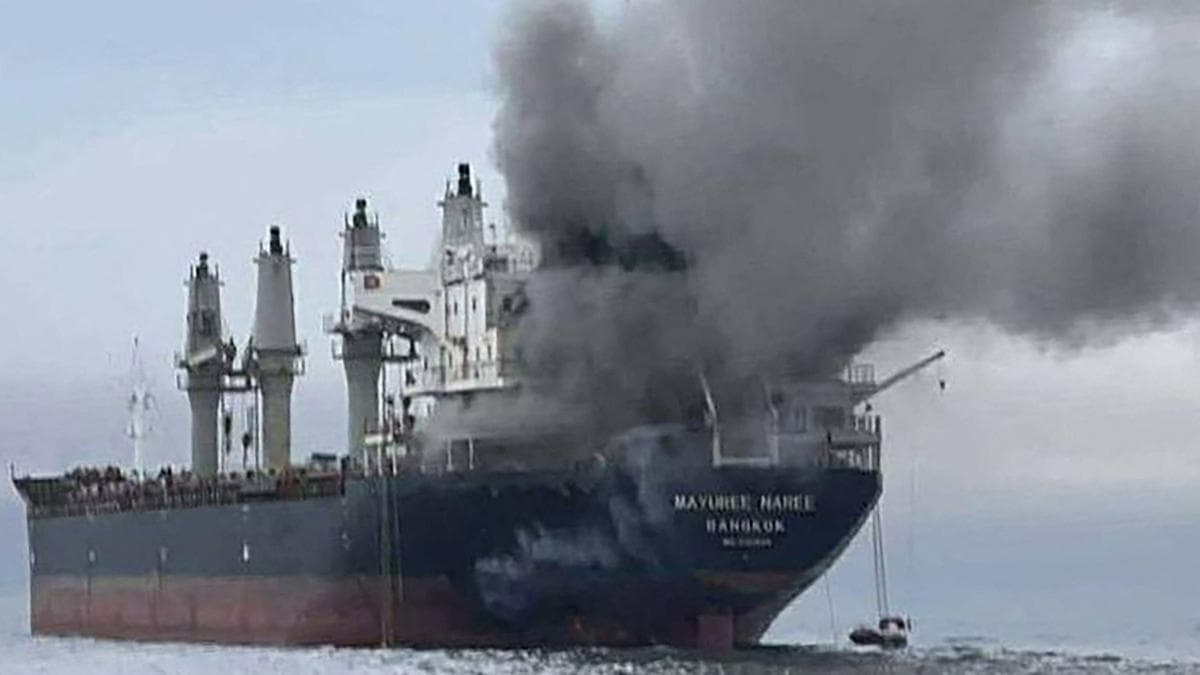
Visual evidence released by the Royal Thai Navy depicts a harrowing scene on the open water. Photographs show heavy black smoke billowing from both the hull and superstructure of the Mayuree Naree. Life rafts are visible floating in the surrounding waters, indicating a desperate evacuation effort. The Omani Navy played a pivotal role in mitigating casualties, successfully rescuing 20 sailors from the distressed vessel. However, the situation remains precarious as efforts continue to locate and save the remaining three crew members. Ship-tracking data indicates the carrier was moving slowly at little more than one knot just off the Omani coast when the incident occurred. This slow movement suggests the vessel may have been disabled or damaged significantly before rescue teams arrived on the scene.
The attack occurs against a backdrop of escalating regional conflict. Iran has launched strikes against its oil-exporting neighbours, creating a direct threat to shipping lanes in the Strait of Hormuz. This aggression is described as plunging the global energy economy into crisis. The Mayuree Naree was en route to Kandla in India after departing Khalifa port in the United Arab Emirates. Owned by the Thai transport company Precious Shipping, the 178-metre vessel displaces 30,000 tonnes. It is currently unclear if this specific incident constitutes one of three commercial ships that the United Kingdom Maritime Trade Operations centre reported as having been hit earlier on Wednesday. The destination port of Kandla represents a key entry point for goods into India, making the safety of this route vital for regional economic stability.

Authorities are moving to address the situation through formal channels. The Thai Navy confirmed the vessel was attacked while transiting the Strait of Hormuz but noted that specific details and causes remain under investigation. In response to the deteriorating security environment, government sources indicate that officials are mulling the deployment of the Indian Navy to escort ships stranded in the Persian Gulf. This potential military intervention reflects the severity of the threat posed to civilian maritime traffic. The Thai Navy statement emphasized that the vessel is owned by a Thai entity, ensuring diplomatic channels remain open for support during this critical period of uncertainty. While the exact nature of the weaponry used remains unknown, the timing coincides with broader regional hostilities involving Iran and Israel.
The attack on the Mayuree Naree marks a significant escalation in regional maritime security risks. With investigation ongoing and rescue operations still active, the incident serves as a stark reminder of the fragility of international trade routes during wartime. The potential involvement of naval escorts signals a shift towards more direct protective measures for commercial shipping in volatile waters.
May 1, 2026 03:50 UTC
Trump Administration Declares Iran Conflict Terminated
Join 50,000+ readers getting the global briefing every morning.
No spam. Unsubscribe anytime.
May 1, 2026 03:50 UTC
Trump Administration Declares Iran Conflict Terminated
Apr 25, 2026 01:38 UTC
Iranian FM Araghchi Heads to Islamabad for Critical US-Iran Talks
Apr 25, 2026 01:13 UTC
Calm Suspect in Delhi Rape-Murder Case Faces Mental Evaluation
Apr 24, 2026 23:24 UTC
Raghav Chadha joins BJP, Shaking AAP’s Rajya Sabha Strength