Section
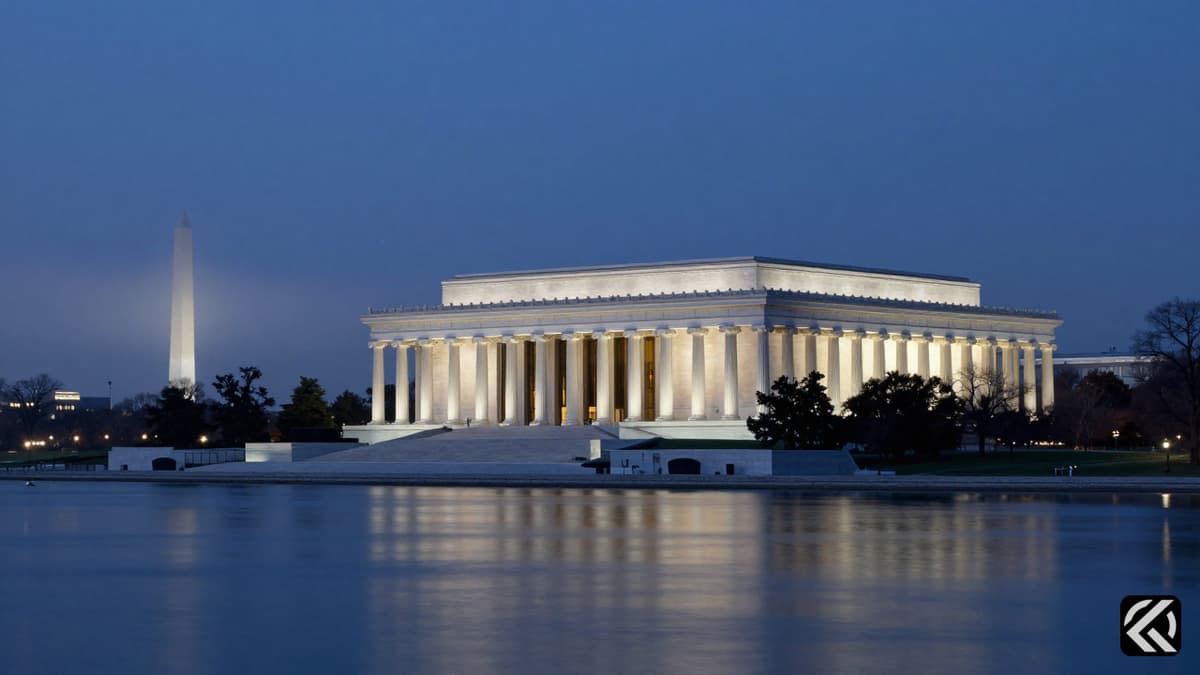
The Kennedy Center board has voted to close the performing arts centre for two years, just as a US judge blocked it from adding President Donald Trump's name back to the building. This vote marks the third time the board has approved closing the centre since February, following legal challenges to Trump's efforts to take greater control of the institution. However, the doors may remain open if the closure is deemed imprudent by the court.
In May, the same judge ordered the removal of Trump's name and blocked its temporary closure for proposed renovations. The board, chaired by Trump and including his cabinet members and allies, had approved a resolution in August to add the inscription, "Renovated and Restored by President Donald J. Trump" to the venue. Trump announced the addition of his name last year as part of broader rebranding measures across the nation's capital. The judge's written order arrived less than an hour before the board's vote, creating a direct legal confrontation between the executive branch's representatives and the judiciary.
The judge's written order came less than an hour before the centre's board voted on the closure. While the closing "will take place immediately", Trump said renovations cannot begin until the court "rules on the Board's approved name". He vowed to take the case to the Supreme Court if it is a "negative" ruling, adding that the US Department of Justice would ask for an expedited appeal. Trump also stated he had raised $17m for the centre to "keep it afloat". The Kennedy Center cannot close unless the federal judge, Christopher Cooper, lifts a temporary block that he put in place in May requiring it to stay open while a lawsuit brought by board member goes ahead. Cooper had said the board could return and request the block to be lifted, provided it came to the decision to close "in a prudent manner". The request is expected to be made by Friday, CNN reported.
A federal judge blocks Donald Trump's attempt to rename the Kennedy Center just as its board votes for a two-year closure, sparking legal fury.
Beatty, an Ohio congresswoman and Democrat, said on Tuesday that the centre had planned for years to undergo phased renovations while still putting on some performances, instead of fully shutting. She blamed Trump's attempted renaming for the departures of audiences and artists, telling the BBC he "only cares about the Kennedy Center for his vanity". "That is wrong and it is a breach of his fiduciary duty as a trustee. Congress established the Kennedy Center as a living memorial to President Kennedy, and I am proud to defend this cherished institution."
In February 2025, Trump replaced several trustees on the board, which then decided in December to rename the institution. New lettering bearing Trump's full name was affixed to the centre's front portico the following day. The changes were followed by cancellations by artists booked at the venue and a drop in ticket sales. Most of the legal challenges to Trump's changes focus on the fact that Congress established the centre as a memorial to President John F Kennedy, who was assassinated in 1963. While detractors say that means Congress must approve changes to the memorial, Trump has argued he has the power to act.
"Simply put, Defendants cannot install memorials for President Trump or anyone or anything else at the Kennedy Center without Congress's blessing," Judge Cooper said in his written order on Tuesday. He said the board's proposal to add language to the name of the centre and its surrounding campus "bucks a federal court order and a statute Congress enacted". That statute marked a decision by lawmakers to memorialise Kennedy, "and no one else, at the Center bearing his name", the order said.
The financial strain on the institution is also becoming a critical factor in the ongoing dispute. The Kennedy Center administration told the board on Sunday that the arts institution was on the brink of bankruptcy, the Washington Post reported, saying the centre was in a "precarious fiscal position". The administration warned that it would not be able to cover payroll obligations and routine maintenance contracts "within a matter of weeks". This fiscal emergency adds urgency to the board's decision to seek a full closure, despite the legal barriers erected by the federal court.
The intersection of legal prohibitions and financial insolvency defines the current trajectory of the Kennedy Center. Judge Cooper’s ruling establishes a clear precedent that the institution remains a statutory memorial to John F. Kennedy, immune from unilateral renaming by a board controlled by the sitting president. However, the administration's warning of imminent bankruptcy suggests that the legal victory may not resolve the venue's operational viability. If the board fails to lift the closure block on time, or if the Supreme Court rules in Trump's favor on the naming issue, the institution could face prolonged legal limbo. Conversely, if the fiscal crisis deepens, the federal government may be forced to intervene directly, potentially leading to Congress revoking the board's authority entirely to save the cultural landmark. The outcome will likely set a lasting precedent for the independence of federal arts institutions from executive political influence.
Oct 3, 2026 04:08 UTC
FlyDubai Co-Pilot Banned in Oman Over Extremism Concerns
Oct 3, 2026 00:50 UTC
Israel-Mumbai Campaign Honors Captain Smit After Flydubai Incident
Oct 2, 2026 18:13 UTC
Captain Smit Machchhar’s Courage Saves Flydubai Flight FZ1073 From Disaster
Oct 2, 2026 16:45 UTC
Captain Smit Machchhar Saves Plane Mid-Fall
Oct 3, 2026 12:53 UTC
150 Detained in Delhi Protesting CEC Gyanesh Kumar