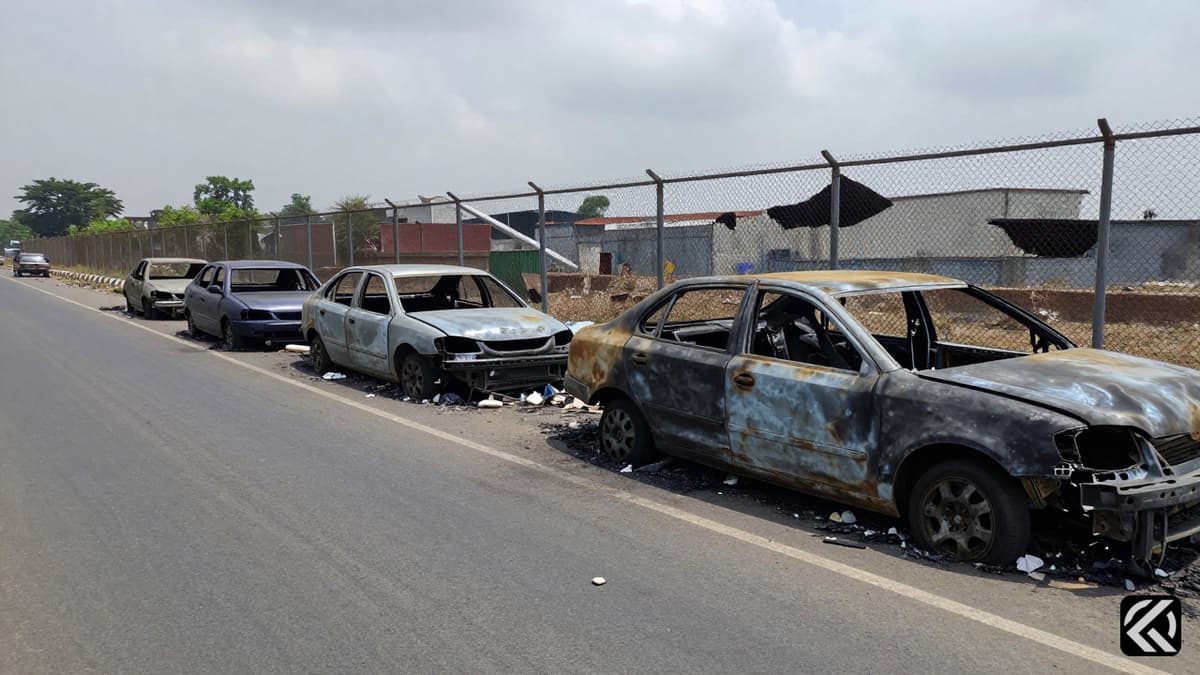
A peaceful demand for wage hikes in Noida Phase 2 turned chaotic, resulting in a Noida Phase 2 violence outbreak where vehicles were torched and traffic paralyzed the city.
The escalating tension in Uttar Pradesh's Noida turned violent on Monday as a large gathering of employees demanded salary increments, leading to the torching of vehicles and widespread vandalism in the Hosiery Complex area of Phase 2. The situation deteriorated rapidly during an altercation, prompting a heavy police deployment to restore order after protesters allegedly resorted to stone pelting. This unrest highlights a significant minimum wage disparity between Uttar Pradesh and neighboring Haryana, fueling deep resentment among the industrial workforce.
The trigger for this confrontation was a long-simmering grievance regarding low minimum wages, which intensified after Haryana raised its monthly minimum wage from Rs 14,000 to Rs 19,000, a jump of roughly 35%. In contrast, the minimum wage in Uttar Pradesh remains around Rs 13,000, creating a stark financial gap that has fueled the current unrest. The protest began in Sector 62 before spreading to multiple industrial and high-traffic zones, significantly affecting vehicular movement during the morning peak hours of the first working day of the week. According to officials, the chaos was particularly severe at the Chilla border and Sector 62 Gol Chakkar, where roads were blocked, causing long traffic snarls that paralyzed the city.
As the Noida worker protest gained momentum, the damage to public and private property mounted, with at least one car set ablaze and vehicles vandalized across the industrial belt. The unrest spread to critical locations including areas around the Motherson factory in Phase-2, near the Sector 60 Metro Station, and factories in Sector 63 and Sector 15. The administration responded swiftly, with Noida District Magistrate Medha Roopam holding a high-level meeting with state officials on Sunday to discuss worker welfare measures. During this meeting, the administration announced a series of immediate steps, including a compulsory weekly off for all workers, double payment for overtime, and an annual bonus to be disbursed before November 30.
District Magistrate Medha Roopam issued an official statement via the platform X, emphasizing that the government's focus was on the protection of workers' interests, weekly holidays, and workplace safety. She urged employees to maintain calm, avoid falling for rumors, and cooperate with law enforcement to maintain order. The administration also established control room numbers for assistance, while a formal complaints system was promised to address issues of harassment, with a committee headed by a woman to be formed specifically for this purpose. The decisions made at the joint meeting at the Noida Authority office in Sector 6, attended by CEO Krishna Karunesh and Police Commissioner Laxmi Singh, marked a significant administrative pivot to address the root causes of the agitation.
The protests had been building for two days prior to the violence, driven by grievances over low minimum wages in the industrial belt. The administration's new directives include ensuring that workers are treated with dignity, provided medical cover, and work in safe conditions. Senior labour department officials, including Principal Secretary MKS Sundaram and Labour Commissioner Markandey Shahi, joined the discussions virtually to ensure the implementation of these welfare measures. The core of the dispute remains the economic gap between the states, as workers in Noida feel compelled to demand parity with their counterparts in Haryana to ensure fair compensation for their labor.
While the administration has announced these comprehensive measures, the immediate aftermath of the Noida Phase 2 violence has left the industrial area in a state of recovery. The heavy force deployed by the police successfully brought the situation under control, but the disruption to traffic and the damage to property underscore the intensity of the workers' frustration. The administration's promise to address workplace safety and harassment, alongside the financial incentives of double overtime pay and guaranteed bonuses, aims to de-escalate the tension and restart production cycles.
The immediate aftermath of the Noida Phase 2 violence has left the industrial area in a state of recovery, with authorities prioritizing the restoration of normalcy over the disruption caused by the protests. The administration's response, anchored in the announcements of weekly offs and double overtime pay, suggests a strategic effort to align Uttar Pradesh's labor standards closer to those of neighboring Haryana. If the administration can successfully implement the promised committee for harassment complaints and ensure the timely disbursement of salaries by the 10th of every month, it may prevent future escalations. However, the deep-seated resentment caused by the current minimum wage disparity will require sustained monitoring to ensure that the newly announced measures translate into tangible improvements for the workers, lest the cycle of protest and violence repeats in the industrial belt.
Jun 8, 2026 00:51 UTC
Trump Claims Iran Nuclear Deal Imminent Despite Diplomatic Fractures
Jun 8, 2026 00:47 UTC
Iran Fires Missiles at Israel After Beirut Strike
Jun 7, 2026 22:00 UTC
US, Iran Peace Hops Fade 100 Days Into War
Jun 7, 2026 20:57 UTC
Iran Strikes Israel: IRGC Promises Week of Continuous Offensive
Jun 8, 2026 02:28 UTC
Trump Walks Out of Meet the Press After Rejecting Evidence Demands


