Amidst a widening Israel-Iran conflict, the U.S. enforces a total sea trade halt on Iran as diplomatic breakthroughs emerge between Israel and Lebanon, signaling a complex new phase.
Former U.S. Treasury Secretary Janet Yellen has warned that the escalating war between Israel and Iran is triggering severe supply shocks that threaten to drive global inflation higher. Speaking at the HSBC Global Investment Summit in Hong Kong on April 15, 2026, Yellen emphasized that the conflict in West Asia is intensifying the economic uncertainty already plaguing the region. While diplomatic efforts are yielding results on the ground with Israel and Lebanon agreeing to direct talks, the economic fallout remains a critical concern for global markets.
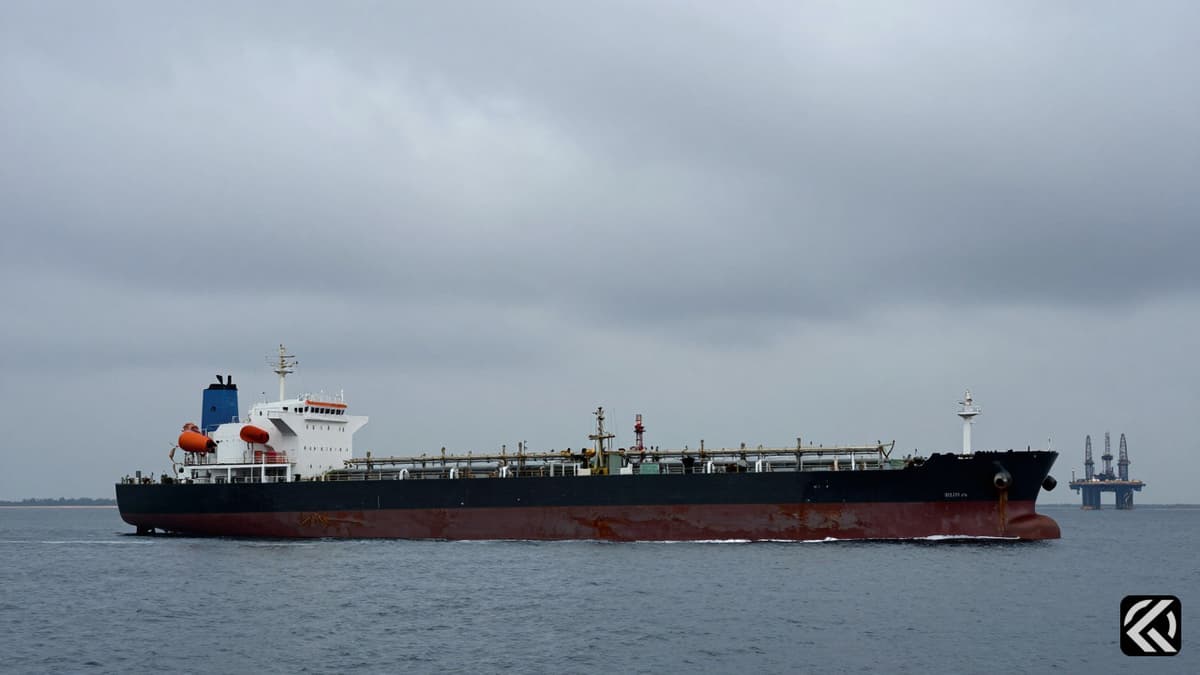
The U.S. government has taken decisive action to disrupt the flow of commerce related to the conflict. Officials confirmed that all economic trade going into and out of Iran by sea has been completely halted. This blockade has effectively stopped vessels from accessing Iranian ports. In a specific instance illustrating the strict enforcement of this measure, the U.S.-sanctioned tanker Rich Starry managed to exit the Gulf on Tuesday but was forced to return to the Strait of Hormuz on Wednesday. Shipping data confirms the vessel failed to break through the blockade to call at Iranian ports, highlighting the efficacy of the U.S. sanctions.
Israel Lebanon negotiations mark a significant diplomatic milestone in the midst of this turmoil. Following what were described as "productive" talks mediated by the United States, Israel and Lebanon have agreed to enter into direct negotiations. This agreement represents a pivotal shift in regional dynamics, offering a potential path toward de-escalation amidst the broader regional tension involving the ongoing Iran war. The success of these Israel Lebanon negotiations stands in contrast to the hardening economic lines drawn by the United States regarding the Iranian maritime blockade.
Yellen's commentary provides a stark economic outlook connecting these geopolitical events to global financial stability. She described the situation as a "broad supply shock" that places significant upward pressure on prices. In her address, she noted that the impact is already visible, stating, "It puts upward pressure on inflation and we've already seen that in recent inflation reports, but we're likely to see more." Her assessment suggests that the disruption to trade routes, particularly in the Persian Gulf and the Strait of Hormuz, will exacerbate inflation globally as supply chains face further interruptions.
The timing of Yellen's remarks coincides with the release of recent inflation reports that have already begun to show the strain of the conflict. The former Treasury Secretary, addressing the HSBC Global Investment Summit, argued that the West Asia conflict has deepened existing economic fragilities. Her statement that "we're likely to see more" implies that the current trajectory of rising prices may not be temporary but rather a sustained trend driven by the geopolitical instability. The Janet Yellen quote regarding the "broad supply shock" underscores the severity of the situation, linking the physical disruption of trade to the abstract metric of global price levels.
The economic ramifications extend beyond immediate price hikes. The blockade of the Rich Starry and other vessels indicates a systemic effort to cut off maritime commerce. This action directly supports Yellen's narrative of a supply shock. When major shipping lanes are restricted, the cost of goods fluctuates unpredictably, creating volatility that markets are ill-equipped to handle without intervention. The return of the Rich Starry to the Strait of Hormuz serves as a visual testament to the operational reality of these sanctions. It demonstrates that despite the passage of time, the physical barriers remain intact, and the flow of goods is effectively stopped.
The convergence of diplomatic progress between Israel and Lebanon with the economic hardening of the U.S. stance against Iran presents a complex scenario for international observers. While the Israel Lebanon negotiations offer a hopeful signal for peace in the Levant, the economic measures against Iran suggest a prolonged period of disruption. The U.S. has clearly prioritized the containment of trade to weaken the economic capabilities of the belligerent nations, a move that aligns with Yellen's warnings about the broader implications for the global economy.
The interplay between these diplomatic and economic strategies highlights the dual nature of the current crisis. On one front, negotiators are working to establish a framework for dialogue between neighboring states. On the other, the U.S. is leveraging its control over maritime access to exert economic pressure. This duality suggests that while direct conflict might be mitigated through talks, the underlying economic wounds caused by the war will persist. The "supply shocks" Yellen references are likely to linger as long as the trade blockade remains in place, regardless of the outcomes of the diplomatic talks.
The U.S. enforcement of a total sea trade blockade against Iran, exemplified by the stranded Rich Starry, combined with Janet Yellen's warnings of rising inflation, signals a prolonged period of economic strain for the global market. As Israel Lebanon negotiations move forward, the persistence of these trade restrictions suggests that the supply shocks Yellen predicted will continue to drive up prices in the coming months. If the conflict in West Asia intensifies further, the current trajectory of inflationary pressure is likely to deepen, creating a challenging economic environment that will require careful monitoring by global policymakers and investors alike.
Jun 8, 2026 02:17 UTC
Magnitude 7.8 Quake Shakes Philippines, Urging Immediate Evacuations
Jun 8, 2026 00:51 UTC
Trump Claims Iran Nuclear Deal Imminent Despite Diplomatic Fractures
Jun 8, 2026 00:47 UTC
Iran Fires Missiles at Israel After Beirut Strike
Jun 7, 2026 22:00 UTC
US, Iran Peace Hops Fade 100 Days Into War
Jun 8, 2026 04:15 UTC
Trump Urges Netanyahu to Halt Iran Strike for Peace


