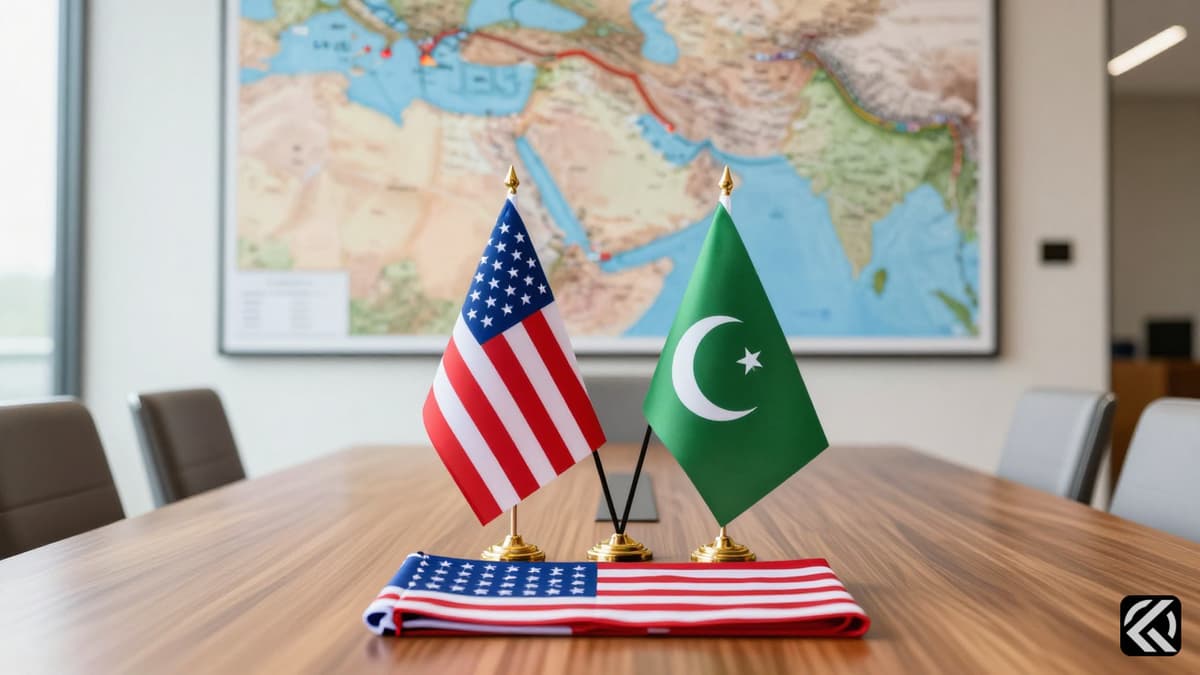
Tensions ease as US officials discuss a second diplomatic push. Sources confirm high-level talks may resume in Pakistan before the current cease-fire deadline.
President Donald Trump has hinted that US-Iran negotiations could resume over the next two days, with potential discussions taking place in Pakistan. Sources familiar with the situation indicate that high-level officials, including Vice President JD Vance, are preparing for a second round of face-to-face talks before the current US-Iran ceasefire expires next week. This potential development follows a marathon 21-hour session that concluded without an agreement, yet diplomatic channels remain active as Washington seeks a path out of the ongoing conflict.
Following the unsuccessful weekend discussions in Islamabad, the Trump administration has tasked its top advisers with securing a diplomatic off-ramp to the war. Special envoy Steve Witkoff and President Trump's son-in-law Jared Kushner are expected to attend any potential second meeting alongside Vice President JD Vance. These three officials have been given authority by the president to engage with Iranian counterparts and intermediaries to facilitate a deal. While US officials have stated that no meeting is currently scheduled, the president expressed optimism that "something could be happening" in Pakistan as both sides attempt to return to the negotiating table.
Iran is reportedly working to restore access to its underground missile bases, often referred to as "missile cities," during the temporary halt in hostilities. Satellite imagery reviewed by CNN shows front-end loaders clearing debris and rubble from tunnel entrances that had been blocked by previous US and Israeli strikes. Experts suggest this activity aligns with Iran's operational design, which involves absorbing an initial attack, repairing infrastructure, and preparing for a renewed launch capability. Sam Lair, a research associate at the James Martin Center for Nonproliferation Studies, noted that a ceasefire inherently requires the adversary to reconstitute military capacity that has been previously destroyed.
Despite Iran's leadership expressing skepticism about Washington's trustworthiness, officials like Esmaeil Kowsari, a member of the Iranian parliament, stated that Tehran intends to continue participating in talks. The stated goal for Iran is to "expose US behavior" through these diplomatic engagements. Meanwhile, President Trump has publicly dismissed the idea of a 20-year pause on Iran's uranium enrichment, asserting that the country should not be allowed to possess nuclear weapons. He also criticized Pope Leo XIV regarding the pontiff's understanding of the nuclear threat, suggesting the Vatican lacks the necessary context to comment on the war.
The diplomatic landscape is further complicated by parallel efforts in the Israel-Lebanon theater. Lebanese and Israeli diplomats met in Washington, DC, marking the first direct conversation between senior officials of the two nations in over 40 years. While Israeli Ambassador Yechiel Leiter described the exchange as "wonderful," he refused to commit to a ceasefire in southern Lebanon. Israel maintains its focus on targeting Hezbollah, an Iran-backed group, insisting that military operations will continue despite calls for a halt. The Lebanese health ministry reported that at least 35 people were killed in Israeli attacks within a 24-hour period leading up to the talks.
As the primary US-Iran ceasefire deadline approaches, the international community watches closely to see if the momentum gained from the marathon talks in Pakistan can be translated into a lasting agreement. The potential resumption of talks in the region would mark a significant diplomatic shift, especially given the previous stalemate over Iran's nuclear program. If successful, these negotiations could pave the way for a broader de-escalation in the Middle East, although the immediate future remains uncertain as delegations weigh their strategic options.
In other developments, the US-declared blockade of Iranian ports is having a visible impact, with little traffic entering or leaving the Persian Gulf and the Gulf of Oman. Ship-tracking data indicates that shipping through the Strait of Hormuz remains severely curtailed, though several Iran-linked vessels have managed to pass through the strait. US Central Command reported that six merchant ships turned around during this period, highlighting the ongoing tension in the region.
Additionally, diplomatic friction extends to the media sector, with journalist Ahmed Shihab-Eldin reportedly detained in Kuwait after posting a video of a US Air Force fighter jet crash. The detention occurs just six weeks after the incident, adding another layer of complexity to the already volatile situation. The involvement of various stakeholders, from intelligence agencies like Mossad to international bodies like the UN, underscores the multifaceted nature of the crisis.
The ongoing diplomatic efforts in Islamabad represent a critical juncture for US-Iran relations. As the administration pushes for a second meeting, the focus remains on whether the initial 21-hour session can yield a breakthrough. With Vice President JD Vance and other top advisers leading the charge, the potential for a deal before the April 21 deadline offers a glimmer of hope for de-escalation. However, the persistence of military strikes in Lebanon and the continued blockade of Iranian ports suggest that the path to peace remains fraught with challenges. If the negotiations succeed, it could mark a turning point, but the immediate outlook remains precarious as both sides navigate complex strategic interests.
Jun 8, 2026 00:51 UTC
Trump Claims Iran Nuclear Deal Imminent Despite Diplomatic Fractures
Jun 8, 2026 00:47 UTC
Iran Fires Missiles at Israel After Beirut Strike
Jun 7, 2026 22:00 UTC
US, Iran Peace Hops Fade 100 Days Into War
Jun 7, 2026 20:57 UTC
Iran Strikes Israel: IRGC Promises Week of Continuous Offensive
Jun 8, 2026 02:28 UTC
Trump Walks Out of Meet the Press After Rejecting Evidence Demands


