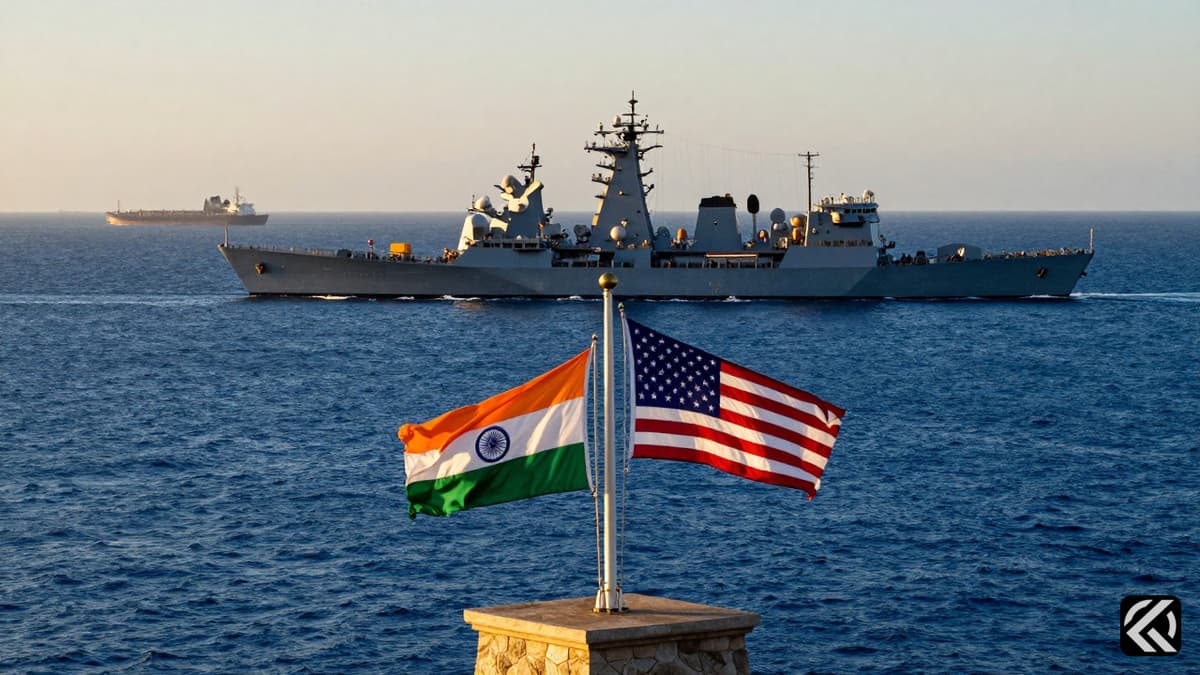
In a significant diplomatic exchange, US President Donald Trump and Indian Prime Minister Narendra Modi discussed a new blockade of Iranian ports and the critical strategic importance of the Strait of Hormuz.
In a significant diplomatic exchange on Tuesday, US President Donald Trump initiated a 40-minute phone call with Indian Prime Minister Narendra Modi. The two leaders engaged in a comprehensive review of the current situation in West Asia, focusing heavily on the escalating tensions involving Iran. The conversation marked the third phone call between the two heads of state this year, following previous discussions in February regarding trade progress and in late March concerning regional stability.
During the call, the discussion turned to a major strategic development. President Trump informed the Prime Minister of a directive issued on Sunday to impose a blockade on ships entering or leaving Iranian ports and coastal areas in the Gulf. This move came immediately following the failure of peace talks between the US and Iran that occurred over the weekend. In a stern warning accompanying this directive, Trump stated that any Iranian attack boats challenging the new blockade would be destroyed. Despite the aggressive nature of the blockade, the call focused on the strategic necessity of maintaining open shipping lanes. PM Modi used the opportunity to stress the critical importance of keeping the Strait of Hormuz open and secure for global commerce and regional stability.
The conversation also served as a platform to reaffirm the strength of the relationship between Washington and New Delhi. Prime Modi, who shared details of the call on the social media platform X, highlighted the substantial progress achieved in their bilateral cooperation across various sectors. He reiterated the commitment of both nations to further strengthen their Comprehensive Global Strategic Partnership in all areas. This reaffirmation of ties comes at a time when global powers are closely watching the unfolding crisis in the Gulf. The dialogue between the two leaders suggests a coordinated approach to managing the regional fallout of the US blockade, aiming to prevent further escalation that could threaten maritime security.
The personal rapport between the two leaders was also highlighted during the lengthy discussion. The call concluded on an unusually warm note, with President Trump expressing his regard for the Prime Minister. According to Sergio Gor, the US ambassador to India, Trump explicitly told PM Modi, "I just want you to know we all love you." This sentiment underscores the deep personal connection that often accompanies high-stakes diplomatic communications, even amidst discussions of military blockades and potential naval confrontations. The fact that this is the first call between the two leaders since the recent peace talks failed indicates a direct channel of communication being utilized to manage the immediate geopolitical risks.
The implications of the blockade and the subsequent calls are significant for the broader landscape of international relations. The focus on the Strait of Hormuz remains central to the narrative, as this waterway is a critical chokepoint for global energy supplies. The United States has made it clear that it will not tolerate challenges to its imposed blockade, signaling a hardening of its stance against Iranian naval movements in the Gulf. Prime Minister Modi's emphasis on the security of the strait suggests India's continued interest in ensuring that global trade routes remain unimpeded, regardless of the conflict between the US and Iran.
The recent communications between President Donald Trump and Prime Minister Narendra Modi establish a clear framework for how the two nations are approaching the crisis in West Asia. By combining a firm military stance with a blockade against Iranian vessels and a strong diplomatic push to keep the Strait of Hormuz secure, the United States is attempting to control the situation without triggering a broader regional war. The emphasis on their Comprehensive Global Strategic Partnership indicates that India and the US are working to align their interests, ensuring that bilateral trade and cooperation continue despite the volatile security environment.
Looking ahead, the immediate future will likely depend on Iran's response to the blockade and whether the naval warnings translate into further conflict. If the blockade holds and Iranian attack boats do not challenge the US forces, the situation may stabilize, allowing the focus to return to regional stability and trade. However, any violation of the blockade could lead to the destruction of vessels as threatened, potentially escalating tensions significantly. The diplomatic channel established by this 40-minute call and the subsequent personal assurances suggests that both leaders are actively managing the crisis to prevent a total breakdown in relations. The success of this approach will be measured by the continued security of global shipping lanes and the preservation of the strategic partnership between New Delhi and Washington in the face of ongoing regional instability.
Jun 8, 2026 02:17 UTC
Magnitude 7.8 Quake Shakes Philippines, Urging Immediate Evacuations
Join 50,000+ readers getting the global briefing every morning.
No spam. Unsubscribe anytime.
Jun 8, 2026 02:17 UTC
Magnitude 7.8 Quake Shakes Philippines, Urging Immediate Evacuations
Jun 8, 2026 00:51 UTC
Trump Claims Iran Nuclear Deal Imminent Despite Diplomatic Fractures
Jun 8, 2026 00:47 UTC
Iran Fires Missiles at Israel After Beirut Strike
Jun 7, 2026 22:38 UTC
Congress Party Claims Unity for INDIA Bloc Delhi Meeting


