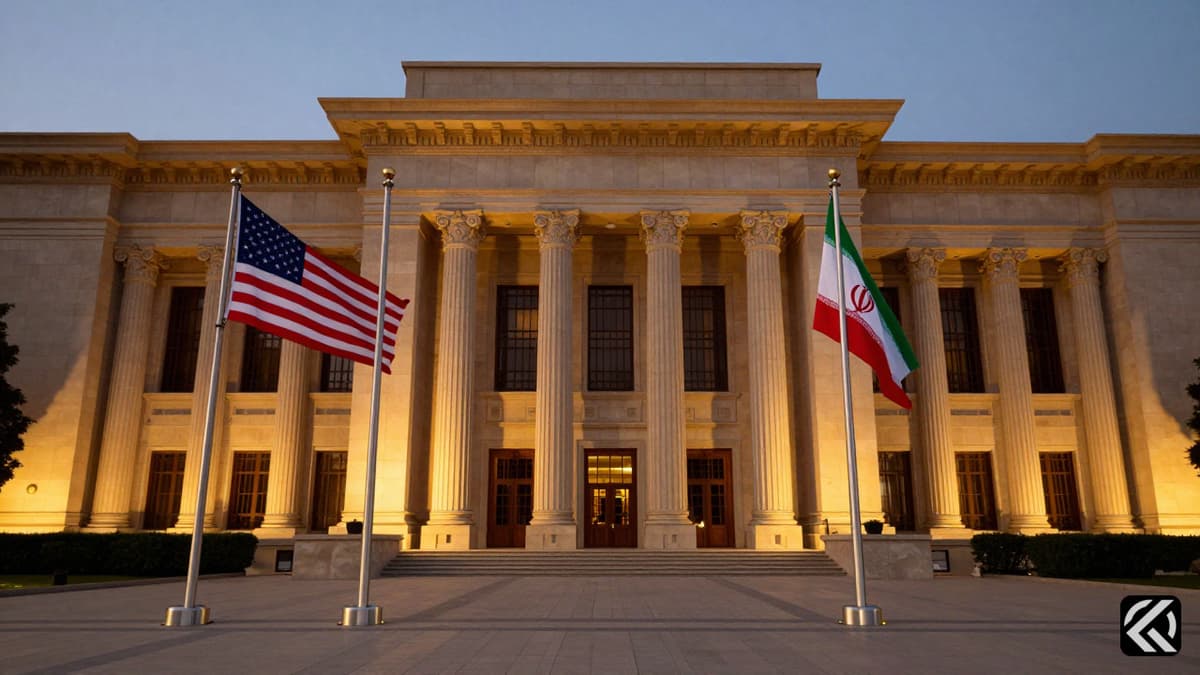
Diplomatic channels remain active despite a lack of breakthrough. This historic engagement marks a pivotal moment in post-ceasefire relations.
In a sleepless and at times tense night in Islamabad, Iranian and U.S. officials concluded their highest-level talks in decades without securing a breakthrough. Despite the lack of a formal agreement, eleven sources familiar with the negotiations confirmed that dialogue was still alive. This significant diplomatic event, held on a weekend, marks the first direct encounter between the two nations in more than a decade. It represents the most senior engagement since Iran's 1979 Islamic Revolution, signaling a potential shift in long-standing hostilities.
The urgency of these U.S.-Iran talks was underscored by the timing, occurring just four days after the April 7 2026 ceasefire announcement. This weekend meeting was specifically convened to resolve the ongoing conflict between the two nations. The high stakes of the discussions were evident in the sleepless and at times tense nature of the night in Islamabad. While no breakthrough was achieved, the very act of convening such a high-level delegation indicates a willingness to engage.
The historical significance of these discussions cannot be overstated. The Islamabad negotiations represent a watershed moment in the geopolitical landscape of the region. For the first time since the 1979 Islamic Revolution, the two nations have brought their most senior officials to the table. This direct encounter breaks a long silence that has defined their relationship for over ten years. The presence of these officials suggests a deliberate effort to de-escalate tensions through dialogue rather than confrontation.
The reaction from within the diplomatic circle suggests a cautious optimism. While the outcome was not a definitive resolution, the confirmation from eleven sources that dialogue remains alive provides a glimmer of hope. These sources, who were intimately familiar with the intricacies of the negotiations, indicated that the doors have not been closed. The failure to reach a breakthrough does not equate to a failure of communication. Instead, it highlights the complexity of the issues at hand and the difficulty in finding common ground immediately.
The context of the April 7 2026 ceasefire announcement adds another layer of importance to these talks. The ceasefire provided a necessary window of opportunity for such a meeting to occur. Without this pause in hostilities, the direct encounter might not have been possible. The timing suggests a coordinated effort to capitalize on the cessation of violence to address the root causes of the conflict. The diplomatic efforts in Islamabad were likely an attempt to solidify this peace and build upon the foundation laid by the ceasefire.
The tension experienced during the night serves as a reminder of the deep-seated animosity that has characterized the relationship. However, the endurance of the talks through the night demonstrates a commitment to finding a solution. The officials were willing to endure the strain of a sleepless and tense environment to pursue their objectives. This level of dedication suggests that both sides view the current moment as critical for the future of their relationship.
The historical precedent set by this meeting cannot be ignored. No senior engagement of this caliber has taken place since the 1979 Islamic Revolution. The sheer duration of the silence and the magnitude of the political shift required to reach this point highlight the significance of the current dialogue. The fact that such a meeting could happen at all is a testament to the evolving dynamics of international relations in the region.
While the immediate result was not a breakthrough, the continuation of dialogue is a positive sign. The sources familiar with the negotiations have provided a crucial insight into the state of the discussions. Their confirmation that dialogue is alive suggests that the path forward is still open. This does not mean that the challenges have disappeared, but it does indicate that the mechanisms for addressing them are still functional.
The role of Islamabad as the host city is also significant. The choice of location for these high-level talks underscores the neutral ground required for such sensitive negotiations. The city's atmosphere during the weekend meeting likely reflected the gravity of the occasion. The environment in Islamabad served as a backdrop for a diplomatic effort that could shape the future of the region.
The absence of a breakthrough should not be viewed as a failure of the process. Complex geopolitical conflicts often require multiple rounds of talks before a resolution is reached. The fact that the talks occurred at all is a step in the right direction. The willingness of both sides to engage in a direct and high-level discussion is a significant development.
The conclusion of the highest-level talks in decades without a breakthrough suggests a complex, multi-step diplomatic process rather than a failed summit. The confirmation from eleven sources that dialogue remains alive indicates that the U.S.-Iran talks have successfully re-established communication channels that have been dormant for over ten years. The historical context, spanning from the 1979 Revolution to the recent April 7 2026 ceasefire, sets a precedent for future engagement. The endurance of the negotiations through a sleepless and tense night in Islamabad demonstrates a shared commitment to de-escalation. If the current trajectory holds, the immediate future will likely see sustained diplomatic efforts aimed at solidifying the ceasefire and addressing the underlying causes of the conflict. The opening of this door to dialogue creates a foundation upon which future breakthroughs can be built, turning the tension of the past into a structured negotiation for peace.
Jun 8, 2026 00:51 UTC
Trump Claims Iran Nuclear Deal Imminent Despite Diplomatic Fractures
Jun 8, 2026 00:47 UTC
Iran Fires Missiles at Israel After Beirut Strike
Jun 7, 2026 22:00 UTC
US, Iran Peace Hops Fade 100 Days Into War
Jun 7, 2026 20:57 UTC
Iran Strikes Israel: IRGC Promises Week of Continuous Offensive
Jun 8, 2026 02:28 UTC
Trump Walks Out of Meet the Press After Rejecting Evidence Demands


