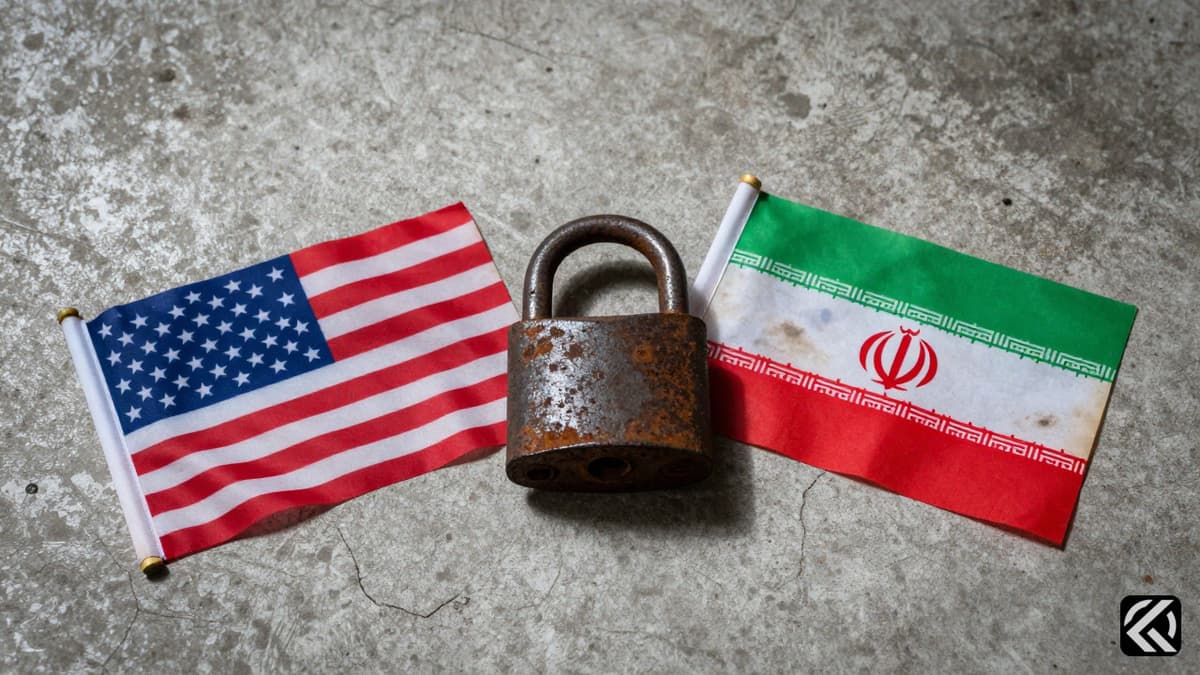
A century into the conflict, diplomatic avenues between Washington and Tehran appear closed, leaving the world watching as geopolitical tensions continue to escalate without resolution.
In a development that has drawn global attention, it has become increasingly clear that the United States and Iran appear far from reaching a peace deal 100 days since the war began. This assessment marks a critical juncture in international relations, signaling that diplomatic channels between the two nations have effectively dried up. The initial hopes for a swift resolution have been replaced by a stark reality of entrenched positions and mutual distrust.
The timeline of the conflict reveals a pattern of escalating tensions rather than de-escalation. For the first quarter of the war, there were sporadic, unverified reports of behind-the-scenes negotiations. However, as the months progressed, these reports faded, and the public discourse shifted entirely toward military posturing and economic sanctions. The absence of any formal announcements or joint statements from either Washington or Tehran underscores the depth of the impasse.
Political analysts and international observers have noted that the failure to secure a peace agreement so early in the conflict is unprecedented. Typically, major powers engage in rigorous diplomatic backchannels within the first few weeks of hostilities. The lack of such engagement suggests that both sides may be preparing for a prolonged confrontation. This shift in strategy is evident in the increased military presence in the region and the tightening of economic measures aimed at pressuring the opposing side.
For those following the intricate details of this geopolitical standoff, understanding the nuances is crucial. Many news outlets and financial institutions provide detailed tracking of these events. To stay informed and sign in to your trusted news platform is the first step in navigating this complex landscape. By logging into your portfolio of news sources, readers can access curated updates that cut through the noise of general media coverage.
The implications of this stalled peace process are profound. Without a diplomatic off-ramp, the risk of miscalculation increases significantly. Every incident in the region carries the potential to spiral out of control. The international community is watching closely, with many nations expressing concern over the broader impact on global stability, energy markets, and regional security architectures.
Economically, the uncertainty has already begun to ripple through global markets. Oil prices remain volatile, reflecting the fears of supply chain disruptions. Investors are closely monitoring the situation, knowing that any sudden escalation could have severe financial consequences. The long-term nature of the conflict suggests that these economic pressures may persist for months, if not years, affecting both domestic and international economies.
The diplomatic community is left with few tools at its disposal. Traditional mediation efforts have stalled, and new avenues have yet to emerge. The roles of neutral third parties, such as the United Nations or various regional organizations, remain limited. Their ability to broker a deal is constrained by the rigid stances of both Washington and Tehran. This highlights the urgent need for a new diplomatic approach, one that addresses the root causes of the conflict rather than just its symptoms.
As the 100-day mark passes, the question remains: what comes next? The current trajectory suggests a continuation of the status quo, characterized by low-intensity conflict and high rhetorical tension. However, history has shown that such stalemates can break unexpectedly. Whether through internal political shifts or external pressures, the dynamics could change rapidly. For now, however, the focus remains on monitoring the situation and preparing for various outcomes.
The prolonged absence of a peace deal between the United States and Iran signals a deepening strategic deadlock with severe long-term implications. Based on the current trajectory, the region faces a continued risk of sporadic escalations and economic instability. Unless a breakthrough occurs, the international community must prepare for a prolonged period of uncertainty, affecting global security frameworks and financial markets alike.
Jun 8, 2026 22:55 UTC
Netanyahu Vows Forceful Response to Future Iran Attacks
Join 50,000+ readers getting the global briefing every morning.
No spam. Unsubscribe anytime.
Jun 8, 2026 22:55 UTC
Netanyahu Vows Forceful Response to Future Iran Attacks
Jun 8, 2026 20:56 UTC
Netanyahu Halts Iran Fighting, Vows Future Force
Jun 8, 2026 20:54 UTC
Justice Department Moves to Strip Citizenship from 17 Individuals
Jun 8, 2026 18:37 UTC
Trump Denied War Pledge Despite Clear Campaign Records


