Section
A landmark framework agreement between the US and Iran aims to end the conflict and restore shipping lanes, though political rifts and economic uncertainty linger.
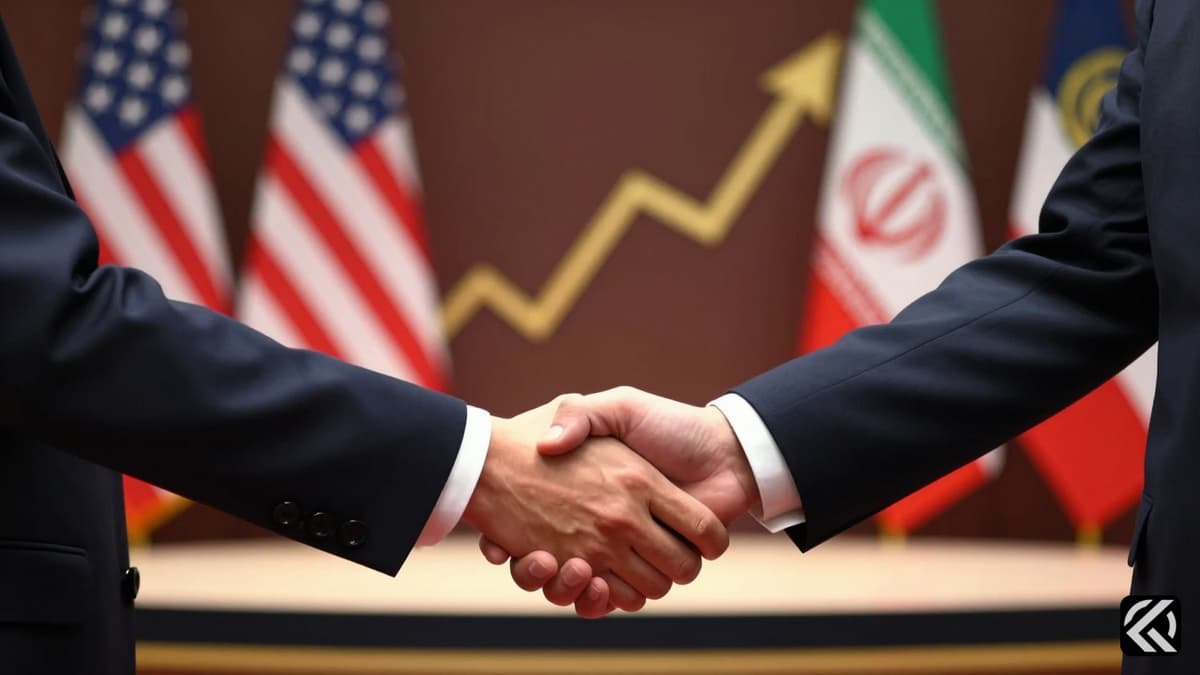
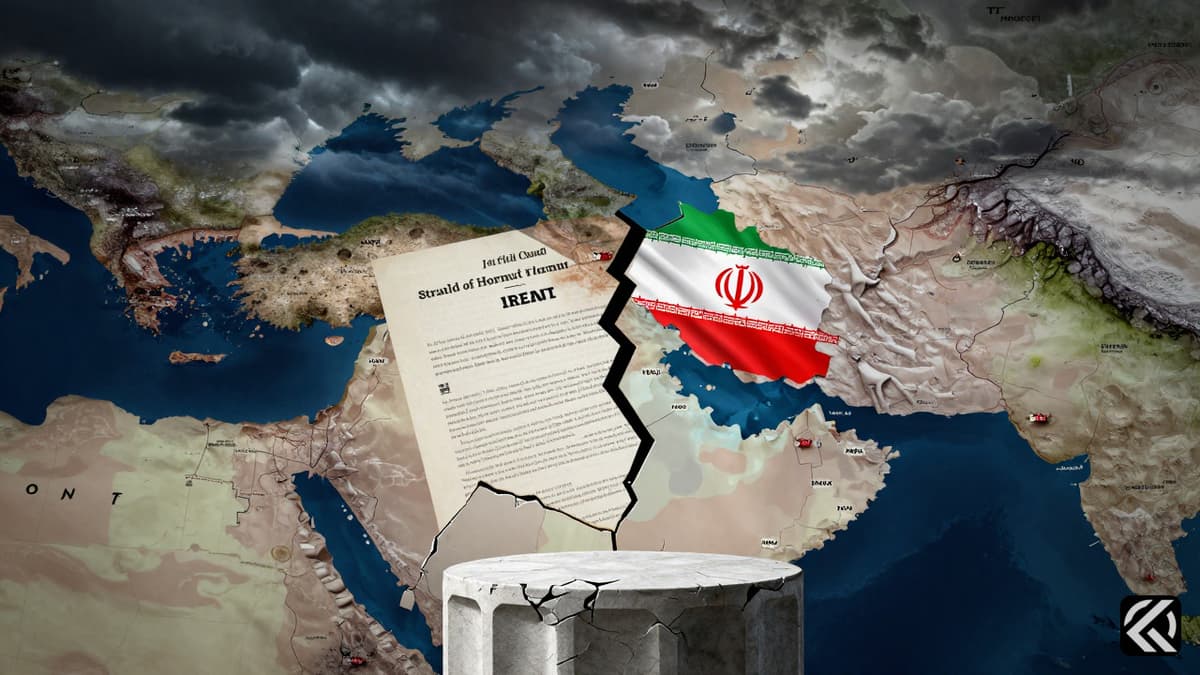
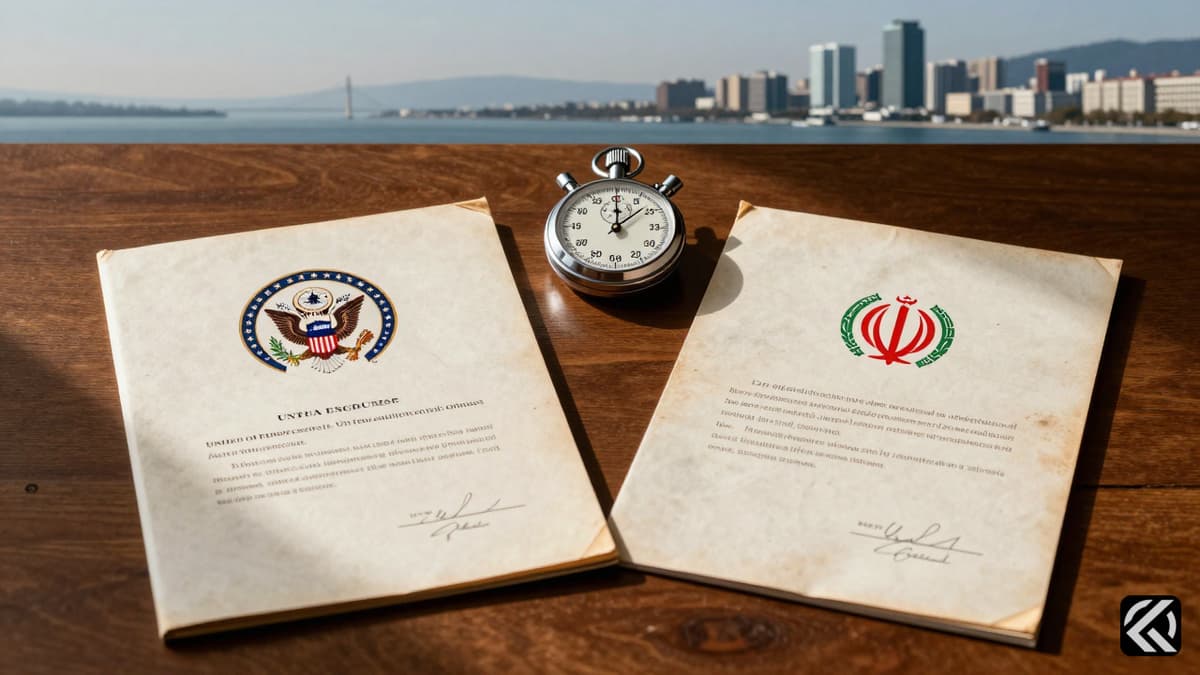
The United States and Iran have reached a framework deal to end the ongoing war, with the agreement scheduled to be signed in Switzerland on Friday. This breakthrough comes less than 24 hours after the initial announcement, marking a pivotal moment in international relations. The framework includes an end to sanctions and a commitment from Iran not to produce nuclear weapons. Additionally, the agreement mandates the reopening of the Strait of Hormuz within 30 days, a critical artery for global energy supplies.
While the exact text of the framework terms remains unreleased, Iranian state media has reported that negotiators will engage in a 60-day period to finalize details. Iranian Deputy Foreign Minister Kazem Gharibabadi stated that Iran has "several issues to address" during this transition. The deal also impacts the conflict in Lebanon, where both the US and Iran have declared an immediate and permanent termination of military operations. Pakistani negotiators confirmed that this ceasefire extends to all fronts, aiming to halt the cycle of violence that has plagued the region.
However, the implementation of these terms faces significant hurdles, particularly regarding Israel. Israel’s defense minister indicated that its forces intend to remain in Lebanon, contradicting Iran’s call for a "complete halt" to action. This divergence highlights a growing rift between Washington and Jerusalem. President Donald Trump expressed fury toward Israeli Prime Minister Benjamin Netanyahu for ordering strikes on Lebanon that Trump believed threatened the deal. Trump later described Netanyahu as "a very difficult guy" in conversations with the New York Times, underscoring the lack of alignment between the two allies.
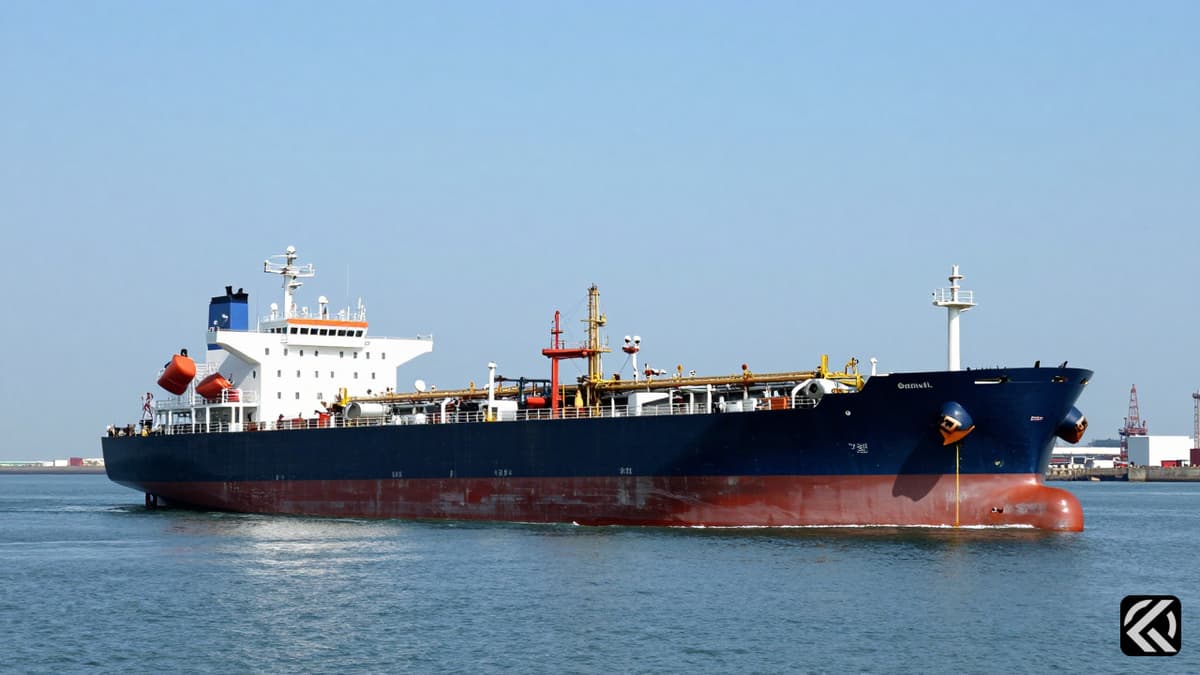
The economic implications of the deal are immediate, though the recovery process is complex. Following President Trump’s announcement to "let the oil flow!", oil prices fell as markets reacted to the potential normalization of trade. BBC Verify checked ship-tracking data and confirmed that at least one oil tanker had crossed the Strait. However, experts warn that returning to pre-war levels will take time. The data shows nearly 500 vessels in the Gulf west of the Strait, but most tankers are stationary, empty, or partially loaded, gathered near terminals in Saudi Arabia, Iraq, and the UAE.
The disruption of supplies has had a lasting impact on global energy markets. Qatar, a major producer of liquified natural gas (LNG), saw its supplies cut off due to the Strait's closure. This loss increased competition for shipments from elsewhere, pushing up prices in Europe. In the UK, natural gas prices have fallen by approximately 6% since the deal was announced. Despite this drop, prices remain around 110p per therm, roughly 50% higher than before the conflict. The UK receives only a small portion of its gas from Qatar, but the global reduction in supply has had significant knock-on effects.
Restarting LNG production is a complicated process that experts estimate can take up to a month. Transporting the gas to its destination can take several additional weeks. Consequently, it may be six weeks from the start of the process before new supplies become widely available. During this interim period, Europe is working to refill its reserves in preparation for the upcoming winter, keeping demand relatively high. This prolonged uncertainty means that while the deal is a positive development, the global economy will face continued strain for some time.
The political fallout from the deal has been fierce in Israel. Far-right Israeli Finance Minister Bezalel Smotrich labeled the agreement "bad for Israel and for the entire free world." He stated on X that Israel must continue its campaign to bring down the Iranian regime and ensure it never acquires nuclear weapons. National Security Minister Itamar Ben-Gvir echoed this sentiment, declaring that Israel is not a partner to an agreement that fails to ensure its security. Both ministers have faced sanctions from the UK and other countries for inciting violence against Palestinian communities.
In contrast, Lebanon’s leadership has reacted with cautious optimism. President Joseph Aoun expressed gratitude for the inclusion of Lebanon in the framework deal, hoping it would mark the beginning of a broader path toward stability. Lebanese parliament speaker Nabih Berri, a figure closely aligned with Hezbollah, praised the deal for including a clause demanding an end to Israeli attacks on Lebanon. Despite the official ceasefire declaration, doubts remain about whether Iran-backed groups will fully abide by the terms.
The resilience of the world economy has proven stronger than expected in the face of this potential shock. Petrol prices and fixed mortgage rates in the UK have already started to fall as markets anticipate fewer interest rate rises. Domestic energy bills are still set to rise in July, but the feared hike in October is now uncertain. The relief from potential energy shocks may also ease pressure on the southern hemisphere’s sowing season, reducing fears of a food price shock caused by expensive fertilizers.
The deal represents a fragile peace, but one that offers a chance to avoid prolonged economic damage. President Trump’s push to end the unpopular and costly war appears to have succeeded, at least on paper. However, the involvement of Israel as a wildcard means that the region’s stability remains precarious. The success of this framework will depend on whether all parties, particularly Israel and Hezbollah, adhere to the cessation of hostilities.
While the US-Iran framework deal has brought immediate relief to financial markets, the road to full recovery remains long. Oil prices have dropped, and gas costs are beginning to ease, but supply chain disruptions will persist for weeks. The world economy has shown remarkable resilience, avoiding the extreme spikes seen during the Ukraine invasion. However, the high prices and logistical challenges mean that consumers and industries will continue to feel the impact. The true test lies in maintaining this fragile peace and ensuring that the reopening of the Strait of Hormuz translates into sustainable, affordable energy for global markets.
Jun 17, 2026 00:58 UTC
US-Iran 60-Day Challenge: Peace Deal Leaves Nuclear Details Pending
Jun 16, 2026 22:51 UTC
G7 Summit: Modi Warns of Hormuz Risks, Trump Pushes Russian Sanctions
Jun 16, 2026 18:58 UTC
G7 Leaders Intensify Pressure on Russia with New Sanctions
Jun 16, 2026 18:36 UTC
Trump Claims US-Iran Agreement Opens Strait of Hormuz Without Tolls
Jun 17, 2026 06:48 UTC
US Proposal Brings Financial Hope to Iran Peace Talks