Prime Minister Narendra Modi addresses the Lok Sabha on the ongoing US-Israel-Iran conflict, detailing India's strategic response to the Strait of Hormuz chokehold, energy security measures, and the safety of Indians in West Asia.
The conflict, which erupted on February 28, 2026, with a joint US-Israel operation targeting Iranian leadership, has sent shockwaves through the global economy. The Prime Minister described the situation as "concerning," noting that the war has resulted in the death of Supreme Leader Ayatollah Ali Khamenei and triggered retaliatory strikes from Iran against its oil-exporting neighbors.
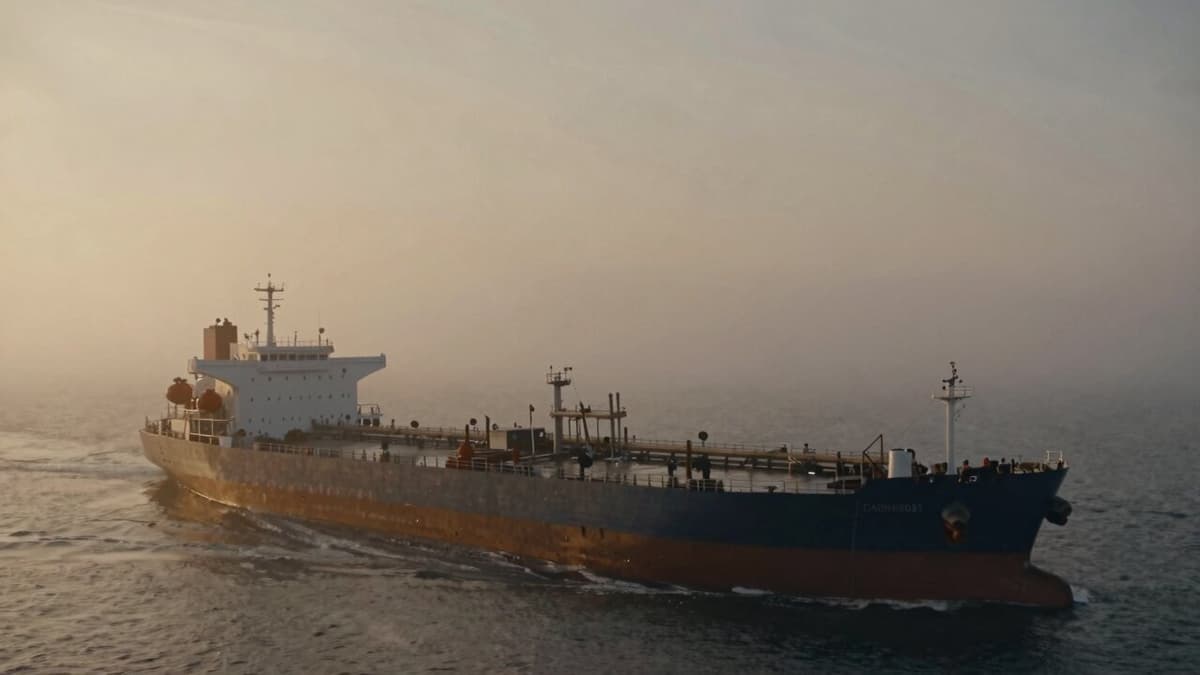
In a move with far-reaching consequences, Iran has closed the Strait of Hormuz, a vital maritime artery that historically carried approximately one-fifth of the world's oil supply. Prior to the closure, India relied on this route for 1.3 million barrels of oil daily. The Prime Minister highlighted that the Strait of Hormuz is a "key channel" whose disruption presents a direct threat to India's energy backbone.
Acknowledging the anxiety regarding rising energy prices, PM Modi reassured the nation that the government is actively managing the volatility. "Our government has tried (to ensure) that petrol, diesel and gas supply shouldn't get disrupted (and that) households shouldn't suffer," he stated.
To mitigate the impact, the administration has adopted a multi-pronged strategy:
The Prime Minister emphasized that "energy is the backbone of economy," and while the war creates unprecedented economic and national security challenges, the administration is working day and night to insulate the Indian citizenry from the fallout.
Beyond energy, the government has prioritized the safety of the 1 crore Indians living and working in Gulf nations. PM Modi revealed that since the war began on February 28, over 3.75 lakh Indians have been repatriated safely, including approximately 1,000 from Iran alone. The Central Board of Secondary Education (CBSE) has also cancelled board examinations in affected Middle Eastern countries to ensure the education of Indian students remains uninterrupted.
The agricultural sector, too, has been shielded from the crisis. The Prime Minister assured the Lok Sabha that there is an adequate stock of fertilizers, a critical component for Indian farmers. He noted that the government has historically never allowed farmers to face the brunt of such crises. Furthermore, with a push toward electric vehicles—15,000 EV buses have been provided to states—farmers are becoming less dependent on diesel-powered agricultural machinery, further insulating the sector from fuel price shocks.
Addressing the Lok Sabha, PM Modi called for a united national front against the chaos. "We faced similar crisis during Corona and we need to be ready again," he reminded the house. He issued a stern warning to citizens to remain vigilant: "Beware of those who spread misinformation," and pledged that hoarders and blackmailers would be dealt with strictly.
On the diplomatic front, India's position remains clear. The Prime Minister stated that India has spoken to all West Asian leaders twice and is actively encouraging dialogue as the only solution to end the war. "This war is not in interest of humanity," Modi said, condemning the strikes on ships and the closure of the Strait of Hormuz.
While the CCS continues to assess the situation, with ministers S Jaishankar and Hardeep Singh Puri having provided regular updates on the evolving crisis, the Prime Minister's message was one of cautious optimism. He noted that some Indian vessels have already successfully crossed the Strait of Hormuz, and inter-ministerial groups are meeting daily to resolve import-export bottlenecks.
As the PM concluded his address, he reiterated that the impact of the US-Israel-Iran war will be felt for a long time. The current situation in West Asia is described as worrying, with adverse effects on the global economy and lives already visible within weeks of the conflict's onset. However, the Prime Minister's speech served as a strategic roadmap, emphasizing that India is not merely reacting but preparing for a protracted period of instability.
With the inter-ministerial group actively monitoring problems and the government's pledge to stand united, India appears poised to weather the storm. The focus remains on maintaining the flow of essential commodities, securing energy supplies, and ensuring that the 3.75 lakh citizens who have returned, and those remaining in the Gulf, are fully protected. The path ahead requires sustained vigilance, but as PM Modi noted, if India stays united, it can challenge all challenges, even in the face of such an unprecedented geopolitical shift.
May 7, 2026 13:16 UTC
Rubio Meets Pope as Iran Weighs US War Proposal
Join 50,000+ readers getting the global briefing every morning.
No spam. Unsubscribe anytime.
May 7, 2026 11:58 UTC
Operation Sindoor: One Year Since Pahalgam Attack and Military Response
May 7, 2026 11:10 UTC
Iran War Forces Strait of Hormuz Control Amid Oil Price Volatility
May 7, 2026 09:44 UTC
Suvendu Adhikari's Aide Shot Dead in West Bengal Election Violence
May 7, 2026 07:45 UTC
Tamil Nadu Assembly Election: TVK Chief Minister Race Intensifies


