As the Middle East conflict enters its second month, diplomatic pressure mounts while maritime shipping faces severe risks and regional tensions escalate.
The sixth month of the Middle East conflict has entered its second month of direct confrontation with Iran, marked by intense diplomatic maneuvering and escalating military posturing. President Donald Trump announced Wednesday that the United States has held "very good talks" with Iran over the previous 24 hours regarding the cessation of hostilities. Simultaneously, a regional source confirmed to CNN that Iran is expected to deliver its formal reply to mediators regarding the US proposal on Thursday. This diplomatic development occurs against a backdrop of continued military engagements in Lebanon and a severe disruption of global shipping lanes in the Strait of Hormuz.
Earlier in the day, President Trump met with top executives from major US oil companies, including Chevron and ExxonMobil, to discuss energy security and broader geopolitical issues including Venezuela. Trump stated that these energy companies are eager to expand operations and praised his administration’s move to blockade Iranian ports. During an Oval Office address, Trump emphasized that while the US is "in good shape," there is "never a deadline" for an agreement with Tehran. He claimed Iran has agreed to his primary demand of renouncing nuclear weapons, though no independent verification of Iranian concessions exists. The president hinted at potential future escalation if demands are not met, noting, "If we don’t do that, we’ll have to go a big step further."
The Iran-US war negotiations have become the focal point of US foreign policy, yet the timeline for resolution remains ambiguous. Trump’s assertion that a deal is imminent contrasts with the ongoing reality on the ground, where military incidents continue to defy diplomatic optimism. The lack of a concrete deadline from the White House suggests a strategy of prolonged pressure, aiming to force Tehran into a corner without explicitly committing to a specific timeframe for withdrawal of forces or dismantling of naval blockades.
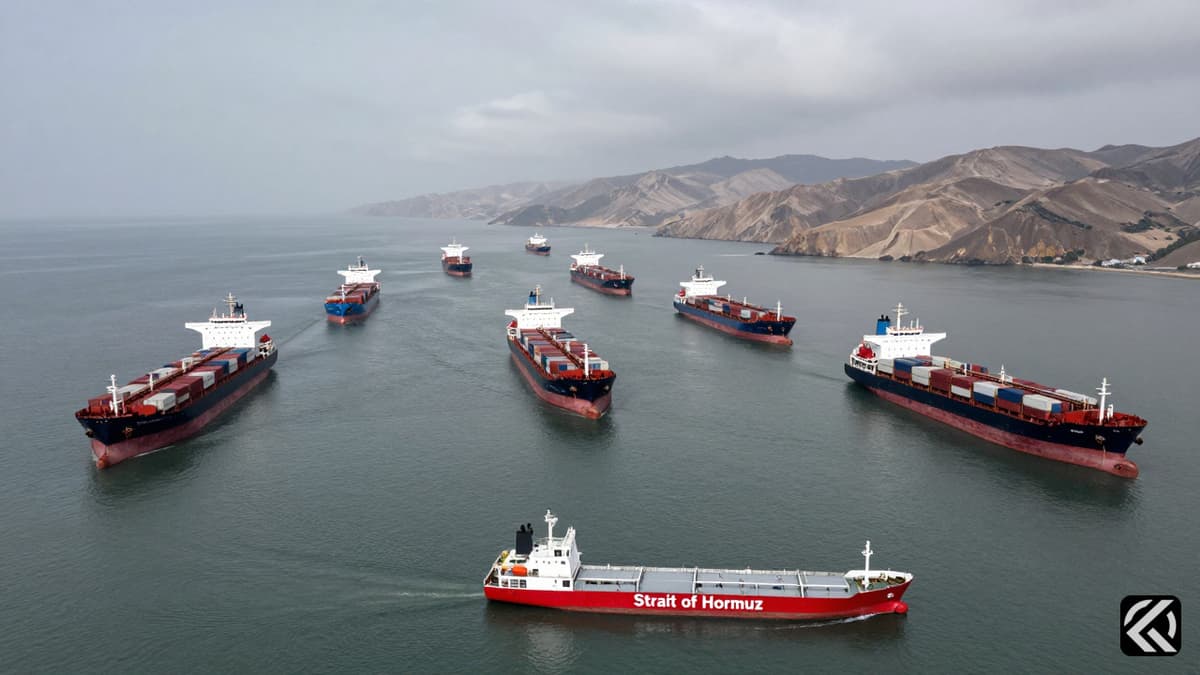
While diplomatic channels buzz with activity, the economic and logistical impact of the Strait of Hormuz crisis remains acute and damaging. Approximately 1,600 ships remain stuck in the waterway, with shipping companies facing an environment described as expensive and risky. The US military’s previous attempt to guide ships through the strait lasted only 48 hours and resulted in only two vessels being successfully escorted. Following the withdrawal of US assistance, commercial operators have become unwilling to bear the risk of transit, fearing endangerment to both cargo and personnel.
The financial implications for the shipping industry are severe. Insurance companies utilize wartime clauses in their contracts that do not require coverage for vessels stuck in active conflict zones. Consequently, moving ships without this financial backing poses an extraordinary cost to commercial entities. The International Maritime Organization (IMO) reports that 32 ships have already been hit by missiles since the beginning of the war, resulting in 10 deaths and at least a dozen injuries. The IMO continues to urge ships to exercise maximum caution, explicitly stating that naval escorts are "not a sustainable long-term solution."
International pressure is mounting to resolve the blockage. French President Emmanuel Macron called for the immediate resumption of traffic in the Strait of Hormuz after speaking with Iranian President Masoud Pezeshkian. Macron demanded that all parties lift the blockade "without delay and without conditions," urging a return to the pre-conflict regime of full freedom of navigation. Furthermore, the French leader proposed a multinational mission, in partnership with the United Kingdom, to secure shipping in the critical waterway. Macron invited Iran to seize this opportunity and indicated plans to discuss the matter directly with President Trump.
Parallel to the maritime and diplomatic developments, the Israel-Lebanon conflict has seen renewed violence in Beirut. Prime Minister Benjamin Netanyahu confirmed that Israel targeted a top Hezbollah commander in a strike on Wednesday evening. This incident marks the first time Israeli forces have struck directly in the Lebanese capital since a ceasefire was previously called. The resumption of strikes in Beirut signals a significant escalation in the intensity of operations despite earlier truce efforts.
Complicating the military situation in Lebanon are internal controversies within the Israeli military. The Israeli Defense Forces (IDF) announced an investigation into a photo circulating on social media showing a soldier appearing to desecrate a statue of the Virgin Mary in Debel, a predominantly Christian village in southern Lebanon. The soldier is depicted holding a lit cigarette to the statue's mouth. The IDF stated it views the incident "with the utmost severity," noting the photo was taken several weeks ago. This event follows previous incidents in Debel where Israeli soldiers were photographed damaging a statue of Jesus Christ and destroying solar panels. Israel’s military chief, Lt. Gen. Eyal Zamir, has warned defense officials about the danger of the "erosion of values and standards," equating it to operational threats.
The convergence of stalled diplomatic talks, persistent maritime blockades, and renewed ground strikes in Lebanon suggests that the Middle East conflict remains volatile with no immediate resolution in sight. The US strategy of combining high-level diplomatic engagement with targeted military actions and economic pressure appears to have yielded verbal commitments but no tangible de-escalation. As Iran prepares to submit its response to mediators, the international community watches closely for signs of genuine compromise or further hardening of positions.
The persistence of the Strait of Hormuz blockade poses a long-term threat to global energy markets and supply chains. Unless a multinational security mission gains traction or a bilateral agreement is reached, the logistical paralysis is likely to continue, exacerbating financial losses for shipping companies and increasing geopolitical friction. Meanwhile, the lack of a clear deadline in US-Iran negotiations may prolong the uncertainty, allowing for continued military provocations. The recent strikes in Beirut indicate that the ceasefire in Lebanon is fragile and potentially collapsing, raising the risk of a broader regional conflagration. As President Trump meets with energy executives and foreign leaders, the gap between rhetorical progress and practical security improvements remains wide, leaving vulnerable nations and global markets in a precarious state.
As the Middle East conflict enters its second month, the disconnect between political rhetoric and ground reality widens. The US insistence on "very good talks" without a deadline contrasts sharply with the tangible risks faced by shippers and civilians in Lebanon and the Gulf. The failure to secure immediate passage through the Strait of Hormuz despite US military presence underscores the limitations of force in resolving diplomatic impasses. With Iran's response pending and French intervention efforts underway, the coming days will be critical. If Iran's reply does not address US demands for a full de-escalation and open navigation, the likelihood of expanded military operations increases. The ongoing instability in Lebanon further complicates diplomatic leverage, suggesting that a comprehensive settlement requires simultaneous progress on nuclear, maritime, and regional security fronts. Without a coordinated multinational approach, the region risks descending into a protracted conflict with severe global economic repercussions.
May 7, 2026 13:16 UTC
Rubio Meets Pope as Iran Weighs US War Proposal
Join 50,000+ readers getting the global briefing every morning.
No spam. Unsubscribe anytime.
May 7, 2026 11:58 UTC
Operation Sindoor: One Year Since Pahalgam Attack and Military Response
May 7, 2026 11:10 UTC
Iran War Forces Strait of Hormuz Control Amid Oil Price Volatility
May 7, 2026 09:44 UTC
Suvendu Adhikari's Aide Shot Dead in West Bengal Election Violence
May 7, 2026 07:45 UTC
Tamil Nadu Assembly Election: TVK Chief Minister Race Intensifies


