Section
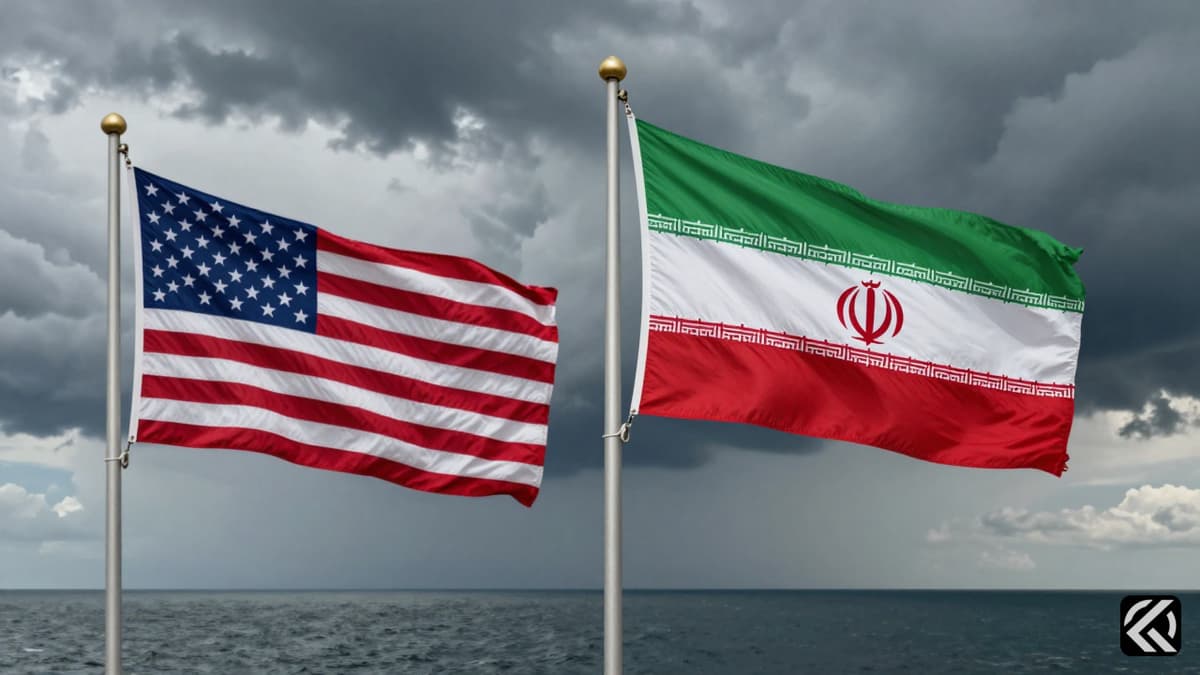
In a stark warning delivered via Fox News, President Trump questions the timing of a potential strike on Iran, while Tehran prepares for both negotiation and conflict.
President Donald Trump issued a stark ultimatum regarding the ongoing conflict with Iran, stating that the United States has reached a critical turning point. Speaking in a recent interview with Fox News, the President outlined the severe options available to him, including military destruction, economic collapse of the adversary, or a diplomatic resolution. He emphasized that serious consequences would follow if Tehran does not change its course, predicting that "very big things are going to be happening in the not-so-distant future."
In response to these escalations, Iranian officials have hardened their stance, warning that any US attack would be met with retaliation "without any limitations or considerations." The central command of Iran explicitly stated its readiness for conflict, while Iranian Parliament speaker Mohammad Bagher Ghalibaf clarified the nation's strategic approach. Ghalibaf argued that the idea of choosing between war and negotiation is a false dichotomy, insisting that Iran must "both fight and negotiate." He described the nation's diplomatic position as "completely clear, rational, and non-negotiable," asserting that Tehran's conditions had already been communicated to the opposing side through mediators.
Ghalibaf emphasized the necessity of strategic duality in foreign policy. "We believe that the duality of war or negotiation is not real, but that we must both fight and negotiate," he told the Iranian Parliament. He elaborated that Iran must "fight sensibly and decisively and negotiate with authority and rationality at the right time." This dual approach was further contextualized when Iran relayed seven specific conditions for a truce to the US via Qatari mediators on Saturday. Tehran warned that it would close the Strait of Hormuz and pursue a "decisive war" if Washington rejects these demands.
Mohsen Rezaei, secretary of Iran's supreme national security council, indicated that Tehran was currently awaiting a response from Trump. The urgency of the situation is heightened by the upcoming UN general assembly's high-level week, which begins on Monday. Despite the rhetoric of conflict, Trump signaled a potential shift toward diplomacy. He stated he would "probably be open" to talks with Iranian President Masoud Pezeshkian, suggesting that diplomatic channels remain an active possibility amidst the military posturing.
The current standoff represents a complex interplay of military threats and diplomatic overtures. On one side, the US President’s comments regarding the potential to "blow the entire nation up" reflect a high-stakes bargaining position aimed at forcing immediate behavioral changes from Tehran. This approach is coupled with reports that the US and its regional allies are preparing to resume operations against Iran, indicating that military action is a tangible possibility if diplomatic efforts fail.
On the Iranian side, the strategy involves a careful balance of intimidation and openness to negotiation. By stating that the path of "deception and unilateral imposition is closed," Ghalibaf signals that Iran will not accept terms dictated solely by force. The submission of seven conditions through Qatar highlights Tehran’s intent to set the parameters for any potential peace deal, rather than responding to US demands unilaterally. The threat to close the Strait of Hormuz serves as a critical leverage point, threatening global energy supplies and economic stability if diplomatic pressures are ignored.
The timing of these developments is crucial. With the UN general assembly approaching, both nations are positioning themselves for global scrutiny. Trump’s signal of openness to talks with President Masoud Pezeshkian suggests that the White House is keeping diplomatic avenues open, potentially to gauge Tehran’s willingness to compromise. However, the simultaneous warnings of "decisive war" from Iran and the preparation for renewed US operations indicate that the margin for error is extremely thin. The coming days will likely reveal whether the seven conditions submitted via Qatar can serve as a foundation for a ceasefire or if they will deepen the conflict.
The recent exchanges between the United States and Iran highlight a precarious period in international relations where the risk of direct military conflict is elevated. President Trump’s explicit warnings and the subsequent hardening of Tehran’s stance demonstrate a mutual lack of trust, complicating any immediate de-escalation efforts. The reliance on third-party mediators like Qatar underscores the difficulty of direct communication between the adversaries.
If the seven truce conditions are rejected or fail to gain traction, the threat of a "decisive war" and the closure of the Strait of Hormuz could have severe global economic repercussions. Conversely, the potential for talks signaled by Trump offers a fragile hope for diplomatic resolution. The outcome of this standoff will likely depend on whether both sides can translate their rhetorical positions into tangible compromises during the upcoming UN high-level week. The coming weeks are critical for determining whether the region will move toward a negotiated settlement or face a deeper and more destructive conflict.
Sep 20, 2026 22:26 UTC
Trump Issues Stark Ultimatum to Iran Amid Rising Tensions
Sep 20, 2026 22:10 UTC
Andy Burnham Welcomes Greenland Agreement Ahead of Trump Meeting
Sep 20, 2026 20:50 UTC
Trump Threatens Iran With Destruction Amidst Diplomatic Standoff
Sep 20, 2026 16:47 UTC
North Korea Missile Test: Rapid Dual Launches Escalate Tensions
Sep 20, 2026 22:26 UTC
Trump Issues Stark Ultimatum to Iran Amid Rising Tensions