Section
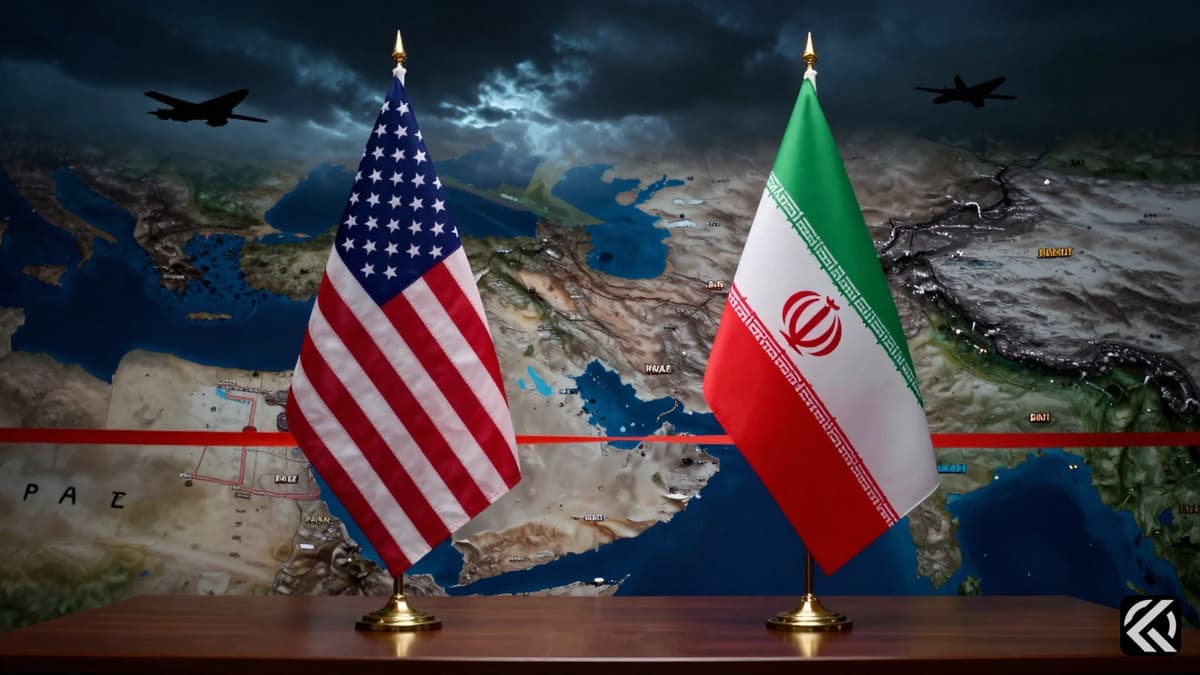
Escalating tensions see Donald Trump issue a stark ultimatum to Iran, demanding compliance or facing severe consequences, while Tehran prepares for decisive action.
On Sunday, Donald Trump issued a severe warning to Iran, declaring that the United States has reached a critical turning point in their ongoing conflict. The US President stated that serious consequences would follow if Tehran does not alter its approach, specifically asking, "My question is, if and when do I blow the entire nation up? They had better behave." This stark declaration came during an interview with Fox News, where Trump outlined the available options for addressing the war: destroying the country, allowing it to collapse economically, or seeking a diplomatic resolution. He predicted that "very big things are going to be happening in the not-so-distant future," signaling a potential escalation in hostilities.
The urgency of Trump’s statement coincides with reports that the US and its regional allies are preparing to resume operations against Iran. In response, Iran’s central command firmly stated that any US attack would be met with retaliation "without any limitations or considerations." This hardline stance was further elaborated by Mohammad Bagher Ghalibaf, the speaker of the Iranian Parliament. Ghalibaf emphasized that Iran must pursue both military action and negotiation simultaneously, stating, "We must fight sensibly and decisively and negotiate with authority and rationality at the right time." He described Iran’s diplomatic position as "completely clear, rational, and non-negotiable," asserting that Tehran’s conditions had already been transmitted to the opposing side through mediators. Ghalibaf added that the enemy understands that "the path of deception and unilateral imposition is closed."
Tehran’s diplomatic efforts were highlighted on Saturday when Iran relayed seven specific conditions for a truce to the US through Qatari mediators. The Iranian government warned that if Washington rejects these demands, it will close the Strait of Hormuz and pursue a "decisive war." Mohsen Rezaei, secretary of Iran's supreme national security council, confirmed that Tehran was currently awaiting a response from the US President. This diplomatic maneuvering takes place against the backdrop of heightened military posturing and economic pressure, with both sides preparing for potential large-scale conflict.
The situation has intensified significantly with both nations preparing for a potential confrontation. While Trump’s comments suggest a readiness to use military force or economic coercion, the Iranian leadership insists on a balanced approach that combines strength with diplomatic channels. Ghalibaf’s assertion that war and negotiation are not mutually exclusive but rather necessary components of a comprehensive strategy underscores Tehran’s intent to remain flexible yet firm. The transmission of truce conditions via Qatar indicates a continued, albeit strained, channel of communication between the two adversaries.
The mention of the Strait of Hormuz is particularly significant, as it is a critical chokepoint for global oil supplies. The threat to close this waterway serves as both a military deterrent and an economic weapon, highlighting the global stakes involved in this conflict. Meanwhile, Trump’s prediction of "very big things" implies that immediate developments are imminent, potentially involving military strikes or significant economic sanctions. The US President’s ability to choose between destruction, economic collapse, or diplomacy places immense pressure on Tehran to respond.
As the UN General Assembly’s high-level week approaches, Trump signaled a potential shift toward dialogue. He indicated that he would "probably be open" to talks with Masoud Pezeshkian, the President of Iran. This statement introduces a layer of complexity to the conflict, suggesting that while the threat of force remains a primary tool, diplomacy has not been entirely abandoned. The timing of this openness, just before the UN assembly, suggests that Trump may be leveraging the international spotlight to apply additional pressure on Tehran to accept truce conditions.
The juxtaposition of Trump’s violent rhetoric with his openness to talks reflects a common diplomatic strategy where maximum pressure is applied to force a negotiation outcome. However, the stark contrast between his threat to "blow the entire nation up" and his willingness to talk with Pezeshkian creates uncertainty about the US administration’s true intentions. Is the threat a genuine warning or a bargaining chip? Iran’s refusal to entertain "deception" suggests they view Trump’s statements with skepticism, requiring concrete actions rather than mere words.
The role of Qatari mediators remains crucial in this standoff. As a neutral party, Qatar facilitates the transmission of demands and conditions, keeping the lines of communication open even as tensions rise. The seven conditions relayed by Iran likely include requirements for the lifting of sanctions, cessation of military operations, and recognition of Iran’s regional influence. The rejection of these conditions by the US could lead to the closure of the Strait of Hormuz, which would have profound implications for global energy markets and international security.
The conflict between the US and Iran has reached a critical juncture, with both sides displaying readiness for escalation. Trump’s ultimatum underscores the US administration’s frustration with Tehran’s refusal to comply with demands, while Iran’s central command vows unlimited retaliation, signaling that any military action will be met with forceful countermeasures. The impending UN General Assembly week adds a diplomatic layer, with Trump’s potential openness to talks with Masoud Pezeshkian offering a slim hope for de-escalation. However, the hardline rhetoric and military preparations on both sides suggest that the window for a peaceful resolution is narrowing. The closure of the Strait of Hormuz remains a key threat, which could disrupt global trade and energy supplies, making this conflict a matter of international concern beyond the immediate belligerents. The coming days will be decisive in determining whether diplomacy can prevail over the looming threat of war.
Sep 20, 2026 22:26 UTC
Trump Issues Stark Ultimatum to Iran Amid Rising Tensions
Sep 20, 2026 22:10 UTC
Andy Burnham Welcomes Greenland Agreement Ahead of Trump Meeting
Sep 20, 2026 20:50 UTC
Trump Threatens Iran With Destruction Amidst Diplomatic Standoff
Sep 20, 2026 16:47 UTC
North Korea Missile Test: Rapid Dual Launches Escalate Tensions
Sep 21, 2026 00:37 UTC
Trump Warns of Destruction as Iran Demands Truce Conditions