Section
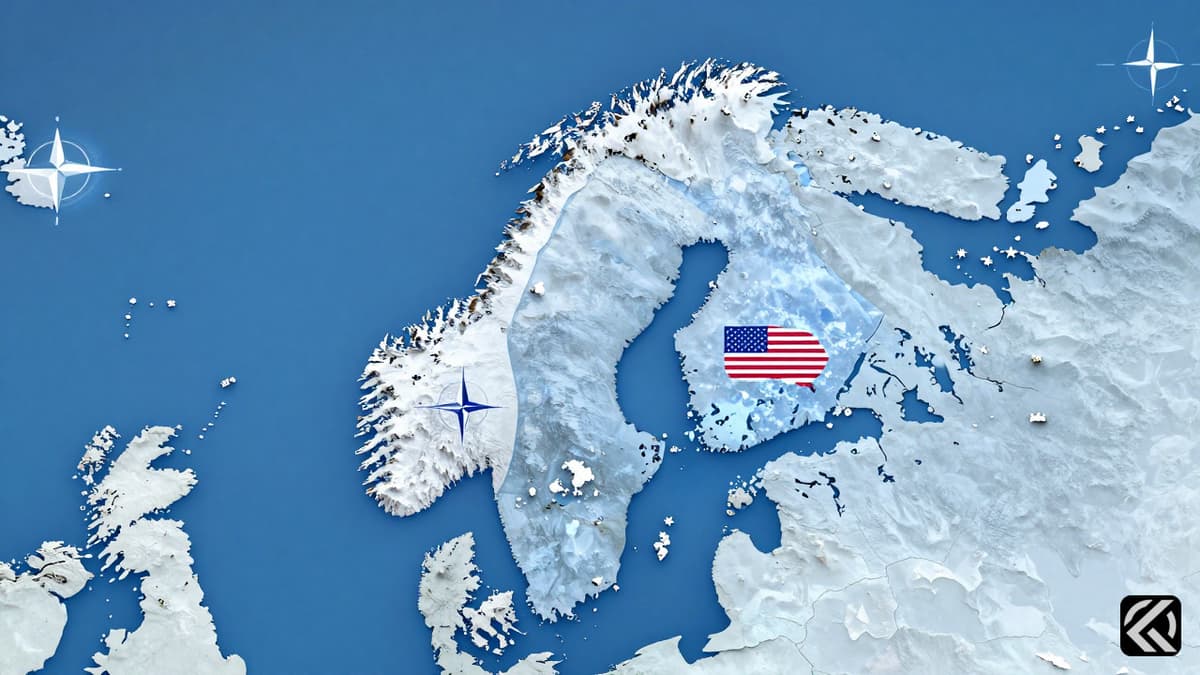
UK Prime Minister Andy Burnham celebrates the strategic resolution between Denmark and the US over Greenland, setting the stage for his inaugural meeting with Donald Trump.
UK Prime Minister Andy Burnham has publicly celebrated a significant diplomatic milestone, hailing the resolution of a months-long dispute between Denmark and the United States over Greenland. This strategic agreement, designed to "strengthen security in the Arctic," marks a pivotal moment in North Atlantic geopolitics. The announcement comes just days before Burnham’s anticipated first face-to-face meeting with US President Donald Trump at the United Nations General Assembly (UNGA) in New York.
The diplomatic breakthrough follows a period of intense tension, during which Trump had frequently threatened to "take" Greenland due to national security concerns. He cited the territory's strategic location for defense and its valuable mineral wealth as primary motivations for the US interest. However, the recent call between the two leaders signaled a shift from confrontation to cooperation. According to a Downing Street spokesperson, Burnham and Danish Prime Minister Mette Frederiksen "welcomed the US's commitment to the region" during a conversation on Sunday morning.
NATO had previously indicated that such an agreement would help stabilize the volatile region. In a readout of the Sunday phone call, a No 10 spokesperson detailed that Burnham congratulated Frederiksen and the Kingdom of Denmark on negotiating a deal that benefits all three parties: the US, Greenland, and Denmark. Burnham explicitly stated he would pass his congratulations to President Trump personally.
While the specific details of the deal remain under wraps, as no text has been released to the public, President Trump outlined the core benefits of the arrangement in a Truth Social post. He asserted that the deal comes with "no cost to the United States" and grants the US the ability to "do what is necessary" to "secure and defend the security of Greenland." Crucially, Trump highlighted a new provision preventing any US adversary from maintaining a military presence in Greenland or making sensitive investments without express written US approval. This effectively locks out rival powers, specifically naming Russia and China, who Trump had previously argued were exploiting Greenland's perceived vulnerability.
The reaction within the UK political landscape has been mixed. While Burnham praised the agreement as a positive step for Euro-Atlantic security, Liberal Democrat leader Ed Davey offered a starkly different interpretation. Speaking at a party conference Q&A, Davey dismissed the news as a "pretend" victory. He argued that the deal is "almost a carbon copy of the agreement that's persisted since the 1950s," suggesting that President Trump is claiming credit for status quo arrangements rather than new concessions. Davey asserted that Europe, NATO, and countries like Canada had successfully stood up to Trump’s previous demands, rendering his recent claims of success hollow.
Danish Prime Minister Mette Frederiksen, however, took a more optimistic tone. In a joint statement with Greenland’s Prime Minister Jens-Frederik Nielsen, she expressed pleasure that a "prospect of a good agreement" existed for all parties involved. She emphasized that the deal recognizes "the sovereignty and territorial integrity of the Kingdom and the right of the Greenlandic people to self-determination." Furthermore, she noted that the agreement strengthens common security in the Arctic and North Atlantic areas. Despite the diplomatic fanfare, the statement clarified that the deal must still pass through "necessary parliamentary procedures" to enter into force, with a signing expected at the UNGA next week.
Burnham’s engagement with this issue underscores his broader diplomatic strategy. Since entering Downing Street, he has spoken with Trump at least twice. His upcoming meeting in New York is not solely focused on Greenland; it is also intended to "drive forward work on issues that matter to people at home," including the domestic cost of living crisis and the ongoing war in Ukraine. The timing of the Greenland deal, therefore, serves as both a strategic victory in the Arctic and a potential icebreaker for broader Anglo-US relations.
The resolution of this dispute marks a significant stabilization in the High North, a region of increasing strategic importance for Euro-Atlantic security. By formalizing US control over security needs and excluding adversaries, the agreement alters the military calculus in the Arctic. However, the lack of a public text leaves many legal and operational questions unanswered. The requirement for parliamentary approval in Denmark adds a layer of procedural uncertainty to the timeline. As Burnham prepares to meet Trump, the focus will likely shift from the specific mechanics of the Greenland deal to the wider implications for transatlantic alliances. The success of this agreement could set a precedent for how the US approaches territorial security in the 21st century, balancing unilateral security interests with the sovereignty of allies like Denmark. The coming weeks at the UNGA will be critical in determining whether this deal translates into lasting diplomatic leverage or remains a temporary resolution to a protracted dispute.
Sep 20, 2026 22:26 UTC
Trump Issues Stark Ultimatum to Iran Amid Rising Tensions
Sep 20, 2026 22:10 UTC
Andy Burnham Welcomes Greenland Agreement Ahead of Trump Meeting
Sep 20, 2026 20:50 UTC
Trump Threatens Iran With Destruction Amidst Diplomatic Standoff
Sep 20, 2026 16:47 UTC
North Korea Missile Test: Rapid Dual Launches Escalate Tensions
Sep 21, 2026 00:37 UTC
Trump Warns of Destruction as Iran Demands Truce Conditions