Section
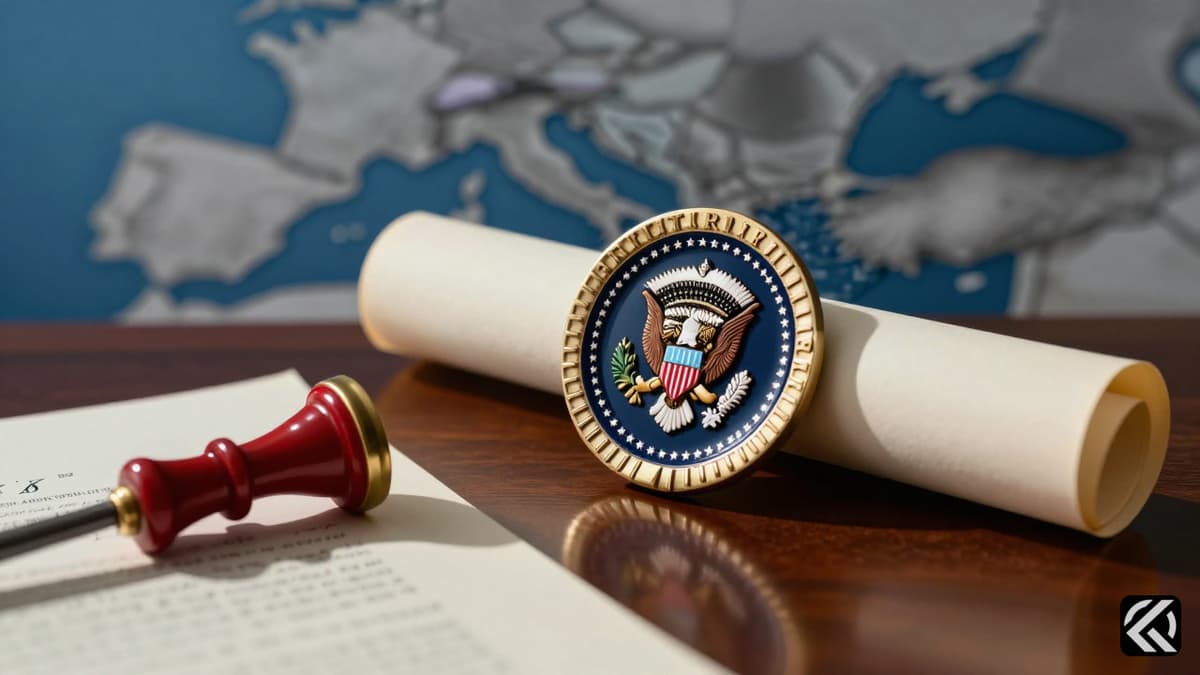
President Trump enacts historic measures against Moscow’s energy sector, aiming to starve the Kremlin of war funds amid rare bipartisan congressional support.
President Donald Trump has officially signed into law a comprehensive sanctions package designed to target Russia in response to its ongoing war in Ukraine. This legislative action arrives just days after Congress forwarded the bill to the White House, achieving a rare show of bipartisan support in a deeply polarized political landscape.
Signed on Friday, the legislation is formally titled the Lindsey O Graham Sanctioning Russia and Iran Act of 2026. The bill pays tribute to the late Republican senator who dedicated over a year of his life to negotiating its provisions before his sudden death in July. Co-written with Democratic Senator Richard Blumenthal, the measure represents a significant convergence of Republican and Democratic foreign policy goals regarding Moscow.
The sanctions are expansive, specifically targeting Russian President Vladimir Putin, his senior officials, and key oligarchs. Beyond individual personalities, the bill strikes at the financial infrastructure supporting the conflict, including Russian banks and financial institutions. Furthermore, it explicitly targets Moscow’s energy and defense sectors, aiming to cripple the economic engines that fuel the military campaign.
A critical component of this new regulatory framework involves a provision that grants Trump the authority to impose tariffs of up to 100 percent on the five largest buyers of Russian oil and gas. This measure is anticipated to impact China and India most severely, as they stand as the top two importers of Russian crude. The bill also includes separate provisions that extend existing sanctions on Iran’s energy and weapons sectors, broadening the scope of pressure applied to nations supporting or engaging with Moscow.
The path to enactment was notable for its legislative momentum. The bill passed the Senate last month and cleared the House on Wednesday. Its passage in the House was particularly significant, with 58 Democrats crossing party lines to support the measure. This event marks the first major Ukraine-related bill to clear Congress in more than two years, highlighting a momentary but substantial shift in congressional focus toward supporting Kyiv.
Supporters of the legislation argue that the primary objective is to starve the Kremlin of the essential funds that sustain its war effort. The goal is to push Putin toward negotiations by making the continuation of the war economically untenable. Ukrainian President Volodymyr Zelenskyy, who had actively lobbied lawmakers ahead of the vote, described the legislation as “an extremely powerful tool” in the fight for sovereignty.
House Speaker Mike Johnson stated that the bill places “maximum pressure” on what he termed “the Russian war machine.” Senator Blumenthal echoed this sentiment, expressing hope that the measures would help bring Moscow to the negotiating table. He directed a message to Putin, stating, “We have your number,” signaling a firm resolve from the US government.
However, the legislation did not enjoy universal support within the Democratic party. House Minority Leader Hakeem Jeffries opposed the bill, raising concerns about its domestic economic impact. He warned that the tariff powers would inevitably raise costs for American families. Additionally, Jeffries criticized the sanctions provisions, calling them full of “loopholes” that could allow Russia to evade the intended financial pressure.
Internationally, the reaction has been cautious but firm. India, identified as one of the countries most exposed to the new tariff threat, issued a statement this week emphasizing its national priorities. New Delhi declared that it “remains firmly committed to ensuring energy security for its 1.4 billion people,” suggesting a potential friction point in US-India relations despite the shared concern over China.
The timing of Trump’s decision is strategically significant. The signing comes approximately a week before he is due to host Chinese President Xi Jinping at the White House. This proximity suggests that the sanctions package may serve as a leverage point in upcoming diplomatic discussions between the world’s two largest economies, particularly regarding the flow of Russian oil to China.
The enforcement of these sanctions will rely heavily on the administrative actions taken under the new tariff authority. The potential for a 100 percent tariff on top buyers creates a binary choice for major economies: cease purchasing Russian energy or face prohibitive costs. For China and India, this represents a difficult economic calculation that could redefine global energy trade routes.
The enactment of the Lindsey O Graham Sanctioning Russia and Iran Act of 2026 fundamentally alters the economic landscape surrounding the Ukraine war. By targeting the shadow fleet of tankers used to move Russian oil and imposing severe tariffs on top buyers, the US aims to isolate Moscow’s defense sector financially. If enforced strictly, these measures will likely force a significant diversion of Russian energy exports away from traditional markets in Asia, potentially increasing global price volatility. However, the stated concerns regarding loopholes and domestic cost increases suggest that the implementation may face legal and political hurdles. The upcoming meeting with President Xi Jinping will be critical, as it will test whether diplomatic channels can mitigate the economic shock or if the tariffs will lead to a hardened stance from Beijing. The long-term impact will depend on the persistence of bipartisan pressure and the resilience of the Russian economy to absorb such severe financial shocks.
Oct 3, 2026 04:08 UTC
FlyDubai Co-Pilot Banned in Oman Over Extremism Concerns
Oct 3, 2026 00:50 UTC
Israel-Mumbai Campaign Honors Captain Smit After Flydubai Incident
Oct 2, 2026 18:13 UTC
Captain Smit Machchhar’s Courage Saves Flydubai Flight FZ1073 From Disaster
Oct 2, 2026 16:45 UTC
Captain Smit Machchhar Saves Plane Mid-Fall
Oct 3, 2026 06:56 UTC
Supreme Court Hears Cases on Guns, Voting Rights, and Climate