Section
Donald Trump's relentless campaign to affix his name to the John F. Kennedy Center has evolved from surprise to explicit extortion, defying judicial rulings.
In December, President Donald Trump claimed he was "surprised" when his hand-picked board of trustees voted to add his name to the John F. Kennedy Center for the Performing Arts. Ten months later, this narrative has inverted; Trump is now openly holding the institution hostage to secure that very glorification.
The evolution of this saga reveals a bizarre fixation on legacy that defies legal and political norms. Trump had replaced the original board with political allies, quickly electing himself chair and joking about calling it the "Trump Kennedy Center" while attending the meetings. Despite federal law prohibiting such a renaming, the board proceeded, leading to a legal battle where US District Judge Christopher Cooper ruled in May that the board lacked the authority to make the change.
Following the initial judicial blow, Trump attempted to wash his hands of the matter, suggesting he would turn the center over to Congress. However, the administration’s stance shifted dramatically in court filings. They argued that removing Trump’s name would cause financial ruin, claiming fundraising would halt and committed monies would have to be returned.
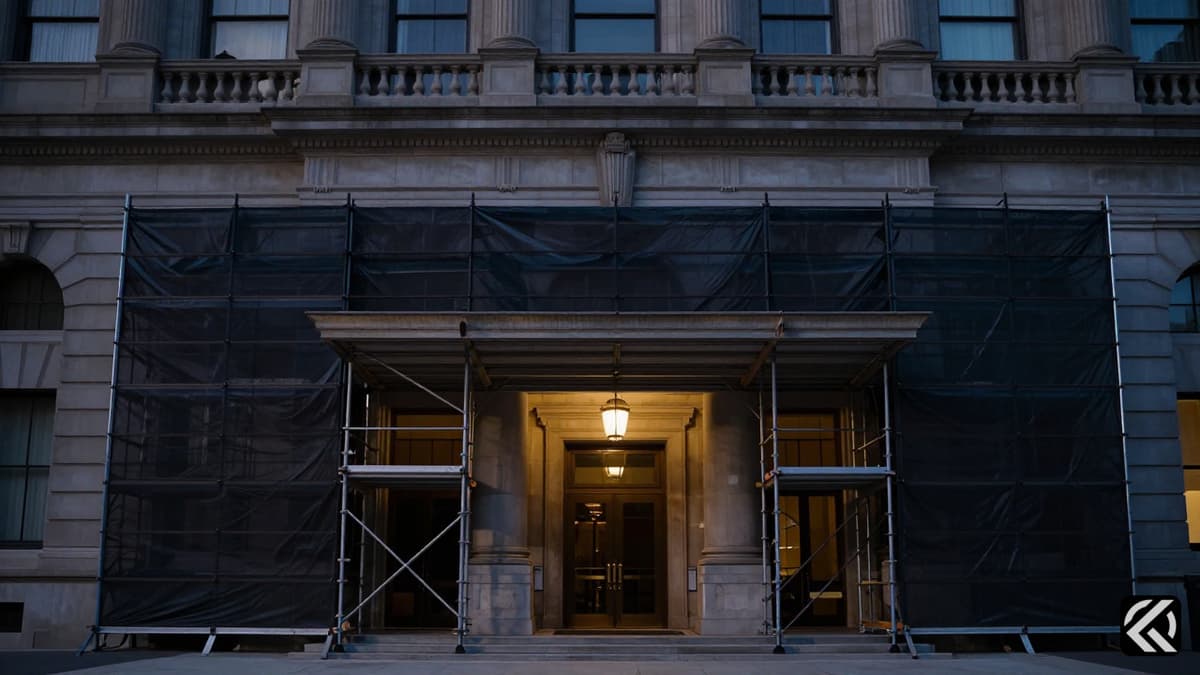
When compliance was forced, the administration orchestrated a secretive removal of any existing plaques under the cover of night, using scaffolding and tarps to hide the process and prevent public comparison. This was followed by a new plan in August to inscribe that the complex was "Restored and Renovated by President Donald J. Trump" and to name the plaza in his honor. Judge Cooper rejected this attempt as well.
The situation escalated further in Tuesday court filings, where the board argued that Trump’s recognition was necessary to convince him to fund renovations. This admission was confirmed by Trump himself on social media, where he stated that renovations "cannot begin until such time as the DC Circuit rules on the Board’s approved name." He explicitly threatened that if the ruling remains negative, the reconstruction will not take place.
Trump’s involvement has become increasingly aggressive. He called into a board meeting to berate Democratic Congresswoman Joyce Beatty, who reported that Trump attempted to blame her if anyone died due to the center's state. This behavior underscores a shift from claiming surprise to active extortion.
Public opinion stands firmly against these efforts. A Pew Research Center poll from April found only 9% of Americans believed it was acceptable to name government buildings after Trump while he is in office. A recent CNN poll showed Americans opposed his efforts to change institutions by a nearly 2-to-1 margin.
Trump’s obsession with the Kennedy Center name change serves as a stark example of how personal glorification is consuming his political priorities. The situation has become a significant liability, described as a "political albatross" for his party. By focusing on these perceived legacy items, Trump is ignoring voters' top priority: affordability.
The legal system has consistently rejected these attempts, indicating that any future success in affixing his name would likely be temporary, subject to reversal by a future Democratic administration. However, the immediate impact is a diversion from substantive governance. Trump’s threat to withhold renovation funds unless his name is recognized demonstrates a willingness to jeopardize cultural institutions for personal acclaim.
This saga illustrates a deeper issue within the current political landscape. Trump’s actions suggest that his primary concern is not the effective management of federal institutions but the cementation of his own historical narrative. The stark contrast between his initial claims of surprise and his current threats of obstruction highlights the desperation behind his legacy-building efforts. As the midterm elections approach, this transparent debacle serves to underscore where his true political priorities lie, potentially alienating voters who are more concerned with economic stability than symbolic gestures. The Kennedy Center incident remains a defining moment, showcasing a leader willing to hold cultural heritage hostage for personal validation, a move that polls suggest the American public finds unacceptable.
Oct 6, 2026 02:48 UTC
Yemen Forces Recapture Mocha in Major Counteroffensive
Oct 6, 2026 00:07 UTC
Teen Loses Hand in French School Protest Clashes Amid Escalating Violence
Oct 5, 2026 22:36 UTC
UAE Shares FlyDubai Crew Data After Pilot Seize Control Attempt
Oct 5, 2026 22:00 UTC
US Withdraws Heavy Bombers From UK Base Amidst Rising Tensions With Iran
Nov 5, 2026 20:16 UTC
Pia Dandiya Claims Landmark Florida Win in 2026 Midterms