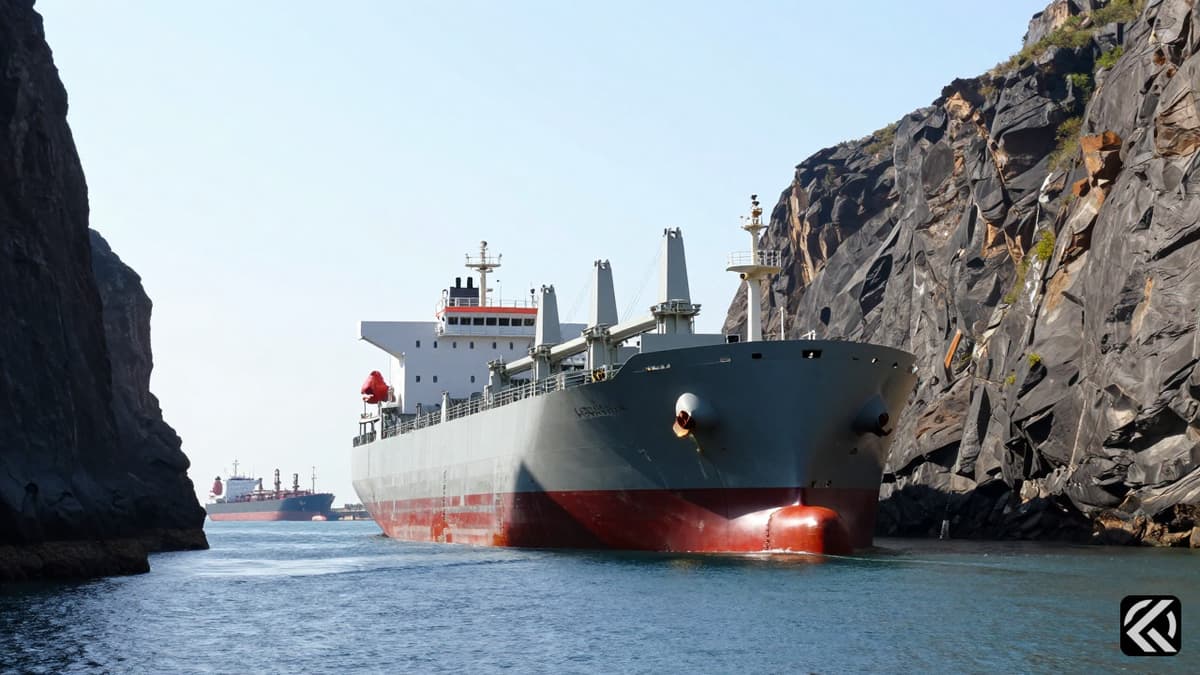
US President Trump declares a diplomatic victory in the Persian Gulf, claiming China agreed to stop arming Iran, effectively ending the crisis that threatened global energy markets.
US President Donald Trump has declared a significant diplomatic shift regarding the Persian Gulf, stating that China is "very happy" with his decision to permanently open the Strait of Hormuz. Speaking via a post on Truth Social, the President emphasized that his actions were taken "for them and the rest of the world." He further clarified that the situation causing the disruption will never recur, citing a specific agreement where China has pledged not to send weapons to Iran. This announcement comes amidst a backdrop of ongoing negotiations and military posturing in the region.
The situation escalated when Iran's Revolutionary Guards declared the Strait closed forty-five days ago, effectively disrupting approximately 20 percent of global oil and liquefied natural gas shipments. Although a two-week ceasefire was enacted, transit through this critical waterway remains highly uncertain. Sources indicate that current traffic has plummeted to a fraction of the more than 130 daily crossings that were recorded before the conflict began. Despite the cessation of hostilities, the US has simultaneously imposed a blockade on shipping originating from Iranian ports, with military officials stating that maritime trade to and from the country has been completely halted as of Wednesday.
Amidst these tensions, Trump engaged in a back-and-forth with Chinese President Xi Jinping. The US President revealed that he had previously written to Xi urging him not to supply weapons to Tehran. In response, Trump stated that Xi replied in kind, confirming that China was not providing arms to the Iranian government. During an interview taped on Tuesday with Fox News, Trump did not specify the exact dates these letters were exchanged, only confirming the substance of their exchange. He also warned countries supplying weapons to Iran that they could face immediate tariffs of up to 50 percent.
In an interview that touched on the personal diplomatic rapport between the two leaders, Trump expressed confidence regarding an upcoming visit by Xi Jinping. The US President stated, "President Xi will give me a big, fat, hug when I get there in a few weeks." He characterized the relationship between the two nations as working together "smartly and very well," suggesting this cooperation is superior to fighting. However, he tempered this optimism with a stark reminder of US military capability, asserting, "BUT REMEMBER, we are very good at fighting, if we have to - far better than anyone else!" This duality of seeking peaceful resolution while maintaining a formidable military stance remains a central theme in his rhetoric.
As of Tuesday, talks with Tehran regarding ending the war could potentially resume this week, following negotiations held over the weekend that ended without a breakthrough. However, the US stance remains firm with the military enforcing a total halt on maritime trade involving Iran. The China arms to Iran issue has been a focal point of the diplomatic maneuvering, with Trump asserting that the agreement reached with Xi Jinping ensures such transfers will cease. The President noted that this diplomatic victory is crucial, stating, "They have agreed not to send weapons to Iran," which he believes secures the region's future.
The Trump Trumpet of his own influence on global stability was evident in his comments about the permanent opening of the waterway. He insisted that he was "doing it for them" and the world, framing the resolution as a direct result of his personal intervention. While the US President believes the crisis is effectively managed through these agreements, the reality on the ground remains complex. With transit traffic still at a fraction of pre-conflict levels and a blockade in place, the path to normalized trade flows remains unclear. The US President remains optimistic that the situation will not happen again, relying on the mutual understanding established through their correspondence to prevent further escalation.
The interplay between military force and diplomatic negotiation defines the current outlook for the Persian Gulf. While President Trump projects confidence that the Strait of Hormuz blockade is a thing of the past due to his intervention and the agreement with China, the operational reality suggests a slow and uncertain path forward. The imposition of tariffs on other nations and the total trade halt with Iran highlight the aggressive measures being employed to enforce compliance. If the diplomatic assurances regarding Chinese arms supplies hold, the immediate threat of escalation may subside, potentially allowing for a gradual return of the 130 daily crossings. However, the continued uncertainty and the strict blockade on Iranian maritime activity indicate that the full normalization of global energy shipments will depend heavily on the sustained cooperation of all regional actors and the durability of the US-Iranian truce.
Jun 8, 2026 02:17 UTC
Magnitude 7.8 Quake Shakes Philippines, Urging Immediate Evacuations
Jun 8, 2026 00:51 UTC
Trump Claims Iran Nuclear Deal Imminent Despite Diplomatic Fractures
Jun 8, 2026 00:47 UTC
Iran Fires Missiles at Israel After Beirut Strike
Jun 7, 2026 22:00 UTC
US, Iran Peace Hops Fade 100 Days Into War
Jun 8, 2026 04:15 UTC
Trump Urges Netanyahu to Halt Iran Strike for Peace


