Section
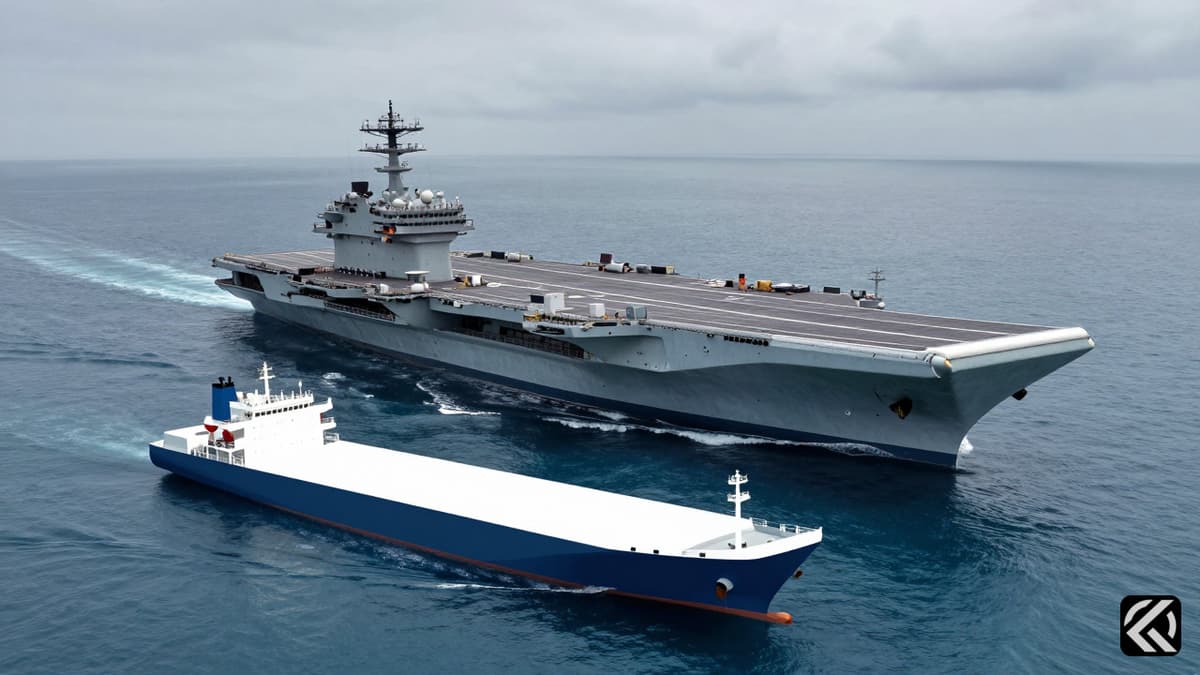
US and Israel pause military action against Iran at Tehran's request, but diplomatic relations remain strained over the blocked Hormuz Strait and economic pressures.
U.S. President Donald Trump announced that the United States and Israel have agreed to delay planned military strikes against Iran. This decision follows requests from Tehran and other Middle Eastern nations, contingent upon the rapid达成 of a diplomatic deal.
President Trump stated on his Truth Social platform that the U.S. remains "locked and loaded" with immense military power. He claimed that despite this readiness, he canceled the attack after being asked by Iran and regional countries. However, Iran’s state media immediately rejected this narrative. The Mehr news agency cited military officials who dismissed the allegation as a "new lie," emphasizing that Iranian forces are on high alert.
On the diplomatic front, the situation remains volatile. Iran has maintained a blockade of the Hormuz Strait since the beginning of the current conflict. This blockade requires all vessels to obtain specific permission and pay transit fees before utilizing the waterway. Iranian negotiators, according to Fars news agency, stated that the Strait will remain closed as long as the U.S. continues its hostile actions.
Within Iran, leadership displays outward unity but internal fragmentation regarding the war's endgame. The ultra-hardliners, known as the "Paydari" movement, oppose negotiations and seek total victory to enforce control. Conversely, supporters of President Masoud Pezeshkian and Parliament Speaker Mohammad Bagher Qalibaf view military pressure as leverage for a negotiated settlement. This latter group is driven by concerns over the war's economic toll and the need for social adaptation.
Saudi Crown Prince Mohammed bin Salman raised serious concerns with President Trump regarding potential escalation. Reports indicate that Saudi officials fear U.S. strikes on Iran’s energy infrastructure could trigger retaliatory attacks on Gulf countries' energy assets. This diplomatic pressure adds complexity to Trump's decision-making process as he weighs the benefits of a quick deal against the risks of prolonged conflict.
Iran’s acting Defense Minister, Majid Ibn al-Reza, warned that Tehran views all threats as real and credible. He asserted that Iran would use these threats to bolster its military readiness and deterrence capabilities rather than remaining passive. This stance underscores the fragile nature of the current ceasefire, which relies heavily on mutual demands for immediate concessions.
The closure of the Hormuz Strait serves as a critical economic lever in this geopolitical struggle. By controlling this vital chokepoint, Iran attempts to exert pressure on global energy markets and deter further U.S. military action. The requirement for transit fees and permissions transforms the waterway into a political instrument, impacting international trade and shipping logistics.
President Trump’s condition for lifting the threat of attack is the "Immediate, Complete and Total OPENING OF THE HORMUZ STRRAIT," alongside an end to Iran’s nuclear threat. This ultimatum highlights the interconnected nature of military and economic strategies in the region. The U.S. demands the opening of the Strait as a prerequisite for de-escalation, while Iran ties any resolution to the cessation of U.S. hostility.
The involvement of Israel in this commitment, as noted by Trump, adds another layer of strategic alignment. However, the internal debate within Iran between the "Paydari" hardliners and the pragmatic negotiators suggests that a unified Iranian response to any future U.S. action may be difficult to maintain. The economic strain of the war further complicates the calculus for those favoring diplomacy.
The potential resumption of strikes or the continuation of the Hormuz blockade poses significant risks to global stability. If the diplomatic efforts fail, the military readiness of Iranian forces, as emphasized by state media, indicates a high probability of continued confrontation. The Saudi concern about retaliatory attacks on Gulf infrastructure illustrates how regional players are vulnerable to spillover effects.
The economic implications are profound. The disruption of energy supplies through the Strait of Hormuz affects global oil prices and supply chains. As nations navigate this crisis, the reliance on military deterrence versus diplomatic engagement remains the central dilemma. The U.S. strategy of offering a conditional pause provides a window for negotiation but carries the inherent risk of escalation if the deal is not reached quickly.
The current standoff between Iran and the United States represents a precarious balance between military preparedness and diplomatic possibility. Both sides are signaling strength while leaving doors open for negotiation, particularly regarding the Hormuz Strait. The internal political dynamics in Iran, combined with regional concerns from Saudi Arabia, create a complex environment where miscalculation could lead to widespread conflict.
If a deal is not reached, the likelihood of renewed strikes increases, potentially drawing in broader regional actors. Conversely, a successful negotiation could stabilize energy markets and reduce military tensions, though it would require significant concessions from both Tehran and Washington. The immediate future hinges on the efficacy of these behind-the-scenes talks and the ability of both leaders to manage their domestic and international constituencies. The world watches closely as this diplomatic chess game unfolds, with global economic stability resting on the outcome.
Aug 17, 2026 14:29 UTC
USS Abraham Lincoln Crew Faces Mental Health Crisis During Extended Deployment
Aug 17, 2026 04:30 UTC
Trump Reduces Joint Military Exercises With South Korea
Aug 17, 2026 02:52 UTC
Kushner Meets Hamas in Egypt Over Rejected Gaza Ceasefire Plan
Aug 16, 2026 20:37 UTC
Kushner Mediates Gaza Ceasefire Amidst Escalating US-Iran Conflicts
Aug 18, 2026 00:00 UTC
Trump’s False Claims on South Korea Defense Payments Disputed